
Vandaag of morgen in huis

Kwaliteit gegarandeerd

Welkomstaanbiedingen ontgrendelen: GRATIS bezorging | Tot 80% korting | Gratis 30 dagen JoyPlus-proefperiode
Download de app
Drink syrup, or cordial, is a staple in many kitchen cupboards. It's convenient for a quick thirst-quencher for the kids, a splash of flavour in your water, or even as a base for a cocktail. But the supermarket aisle is packed with bottles all vying for your attention. One promises "pure fruit," another "zero sugar." How can you be sure what you're actually buying? As a Product Recommendation Officer at Joybuy, I see the challenges consumers face every day. Let's cut through the marketing jargon and look at what really matters.
Before you place a bottle in your basket, it's wise to be aware of a few common misconceptions. These often lead to you coming home with a product that doesn't meet your expectations.
You don't need to be a label expert to make a smart choice. By focusing on the following three points, you'll know exactly what you're bringing home.
The most important decision is between a syrup with sugar and a sugar-free syrup.
Want a syrup with an authentic fruit flavour? Check the percentage of fruit juice, often listed as "fruit juice from concentrate." A higher percentage (for example, 75% as found in some Karvan Cévitam syrups) typically indicates a richer, more natural taste than a syrup with only 10% fruit juice.
The recommended dilution ratio determines how economical the syrup is. A ratio of 1:9 means you mix 1 part syrup with 9 parts water. A 600 ml bottle then yields 6 litres of cordial. A syrup with a 1:11 ratio is even more economical. Calculate the price per glass to make a fair comparison.
To help you get started, we've matched some popular choices from our range with different user profiles.
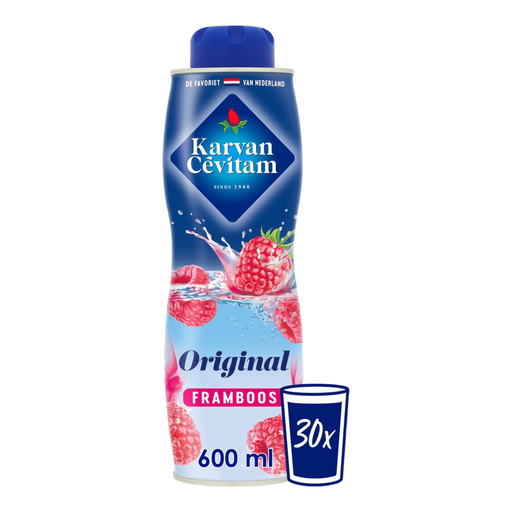
Why This Fits Their Persona: A classic on the Dutch dinner table. The familiar raspberry flavour is loved by all ages, and the syrup is easy to mix for a quick glass of squash after school or during a birthday party.
According to the manufacturer, this syrup contains 75% fruit juice from concentrate, sidestepping the 'fruit syrup with little fruit' pitfall. This results in a full and authentic flavour.
Contains no artificial colours or flavours. It's also a source of vitamin C, making it a trusted choice for many families.
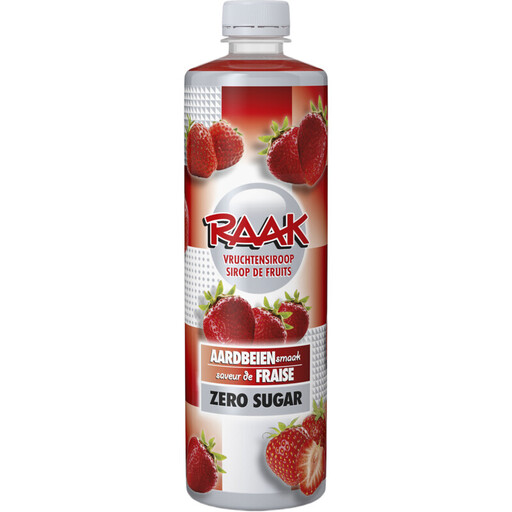
Why This Fits Their Persona: Perfect for those who want to make drinking water more exciting without adding sugar or calories. Ideal for after a workout or for maintaining hydration with a touch of flavour throughout the day.
This syrup directly tackles the 'hidden sugar' trap. The specifications are clear: 0 grams of sugar and only 1 kcal per 100 ml of prepared drink. You know exactly that you're not consuming any unwanted sugars.
Completely sugar-free and calorie-free. The syrup is also vegan and gluten-free, making it suitable for various dietary needs.
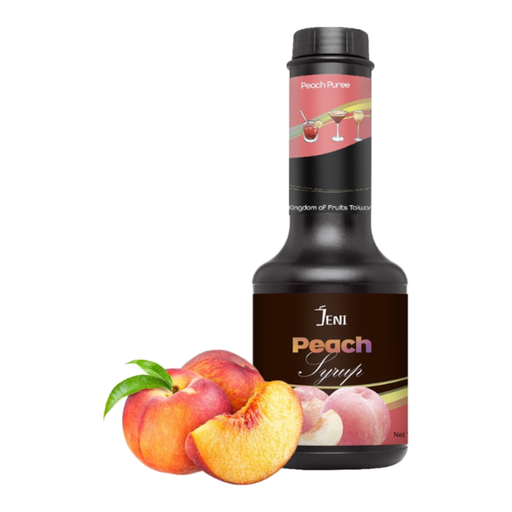
Why This Fits Their Persona: This user is looking for more than just a standard squash. The aromatic peach flavour is an excellent base for homemade iced tea, mocktails, or a summery cocktail syrup. It's also delicious in desserts.
This isn't a mass-market product, but a syrup with a specific flavour profile. It's honest about its purpose: to be a sweet, aromatic flavouring. It doesn't pretend to be a 'healthy' choice, but rather a versatile ingredient.
Versatile in use: from cordial with still or sparkling water to a flavouring in cocktails and desserts. According to the manufacturer, it contains no artificial colours or preservatives.
We have compiled a complete, up-to-date list of products that meet these selection criteria.
Most manufacturers recommend storing the syrup in the refrigerator after opening and consuming it within a specific period. This period varies but is usually stated on the packaging. Sealing the bottle tightly helps maintain its quality.
"Ranja" was originally a brand name that became so popular in the Netherlands that it is now a generic term for all types of cordial, much like "Hoover" for vacuum cleaners. Technically, there is no difference; ranja is a type of fruit syrup.
Absolutely. Syrups with a distinct flavour like grenadine, peach, or elderflower are an excellent and cost-effective cocktail syrup. They add sweetness and a specific flavour profile to your mixed drinks. Experiment with different flavours to create your own unique concoctions.
