
Vandaag of morgen in huis

Kwaliteit gegarandeerd

Welkomstaanbiedingen ontgrendelen: GRATIS bezorging | Tot 80% korting | Gratis 30 dagen JoyPlus-proefperiode
Download de app
A bottle of lemonade syrup may seem easy to choose. Yet differences in fruit content, sweeteners, dilution and volume can have a significant impact on the final price per glass. A prominent label saying “fruity” or “sugar-free” does not always tell the whole story.
Pay particular attention to these common pitfalls:
If you are looking for a clear fruit flavour, it is worth checking the percentage of fruit juice, purée or concentrate. For example, Van de Boom Pear Syrup states 85% fruit and 0% added sugars. According to the product information, the sugars present naturally come from the fruit.
Other varieties place more emphasis on flavour and sweetness. JENI Peach Syrup is intended for lemonade and mixed drinks and, according to the listed ingredients, contains sugar, water, peach juice or flavouring, and citric acid. This makes it suitable as a flavouring ingredient, but it is not the same type of product as a fruit syrup with a high fruit content.
Compare the nutritional values per 100 ml of product, but check whether the table refers to the undiluted syrup or the prepared drink. A traditional syrup may contain around 60 to 78 grams of sugar per 100 grams, as stated for TG Kiat Rose Syrup and Frutesse Apple Cinnamon Syrup.
A sugar-free syrup may contain virtually no sugar or calories. Slimpie Lemon Syrup states 0 grams of sugar and approximately 1 kcal per 100 ml. The ingredients list includes sucralose and acesulfame-K, among others. If you prefer to avoid sweeteners, it may be better to choose a variety containing sugar or natural fruit sugars.
A syrup with a concentrated mixing ratio can be practical for families, catering-style use or keeping in the cupboard. According to the product description, Slimpie Lemon Syrup uses a ratio of 1 part syrup to 11 parts water and makes approximately 39 glasses. Karvan Cevitam Tropical and Grenadine state a ratio of 1 to 9 and a maximum of 30 glasses per bottle.
Also check:
The 14 main EU allergens must be clearly stated on the label when present. Always check the packaging for the most up-to-date information.
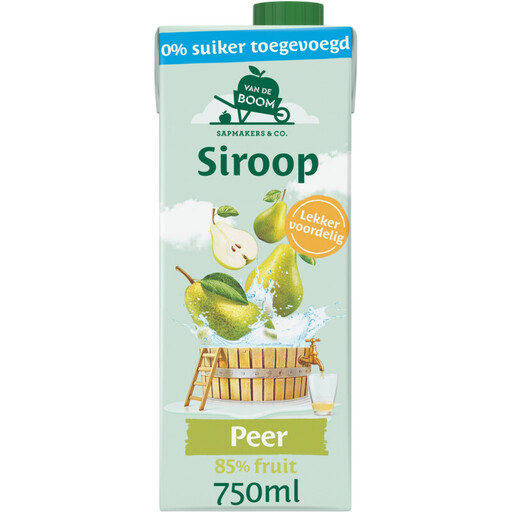
Why it fits this profile: The bottle is suitable for anyone who regularly makes lemonade at home and keeps an eye on the number of glasses. According to the product information, 750 ml makes approximately 30 glasses.
The fruit content and mixing quantity are stated in the product information, so you do not have to rely solely on the flavour name.
85% fruit according to the product description, 0% added sugars and 40 kcal per 100 ml according to the nutritional information.
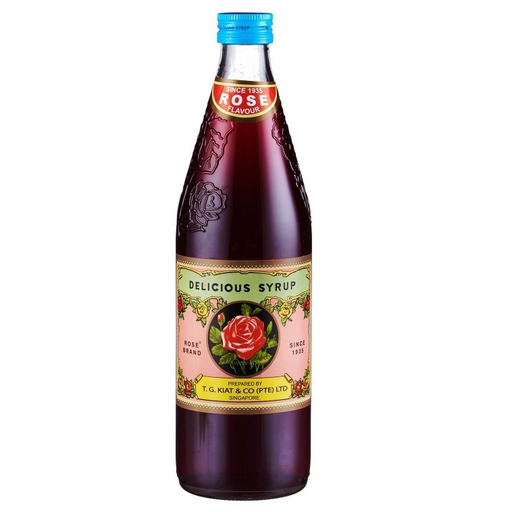
Why it fits this profile: This rose syrup is intended for anyone looking for a distinctive floral flavour in drinks, desserts and cocktails.
The product information states 78 grams of sugar per 100 grams. This makes it clear in advance that it is not a sugar-free syrup.
It can be used with water, sparkling water or milk, and is also suitable for desserts, cakes and cocktails according to the product description.
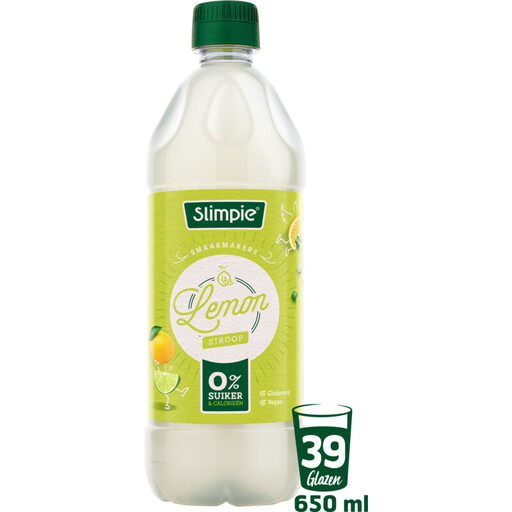
Why it fits this profile: Handy for households that make drinks regularly and are looking for a sugar-free lemonade syrup that makes plenty of servings.
The 0% sugar claim is supported by the stated nutritional values: 0 grams of sugar and approximately 1 kcal per 100 ml. However, the product does contain sweeteners.
It has a mixing ratio of 1 to 11, makes up to approximately 39 glasses per bottle, and is vegan and gluten-free according to the product information.
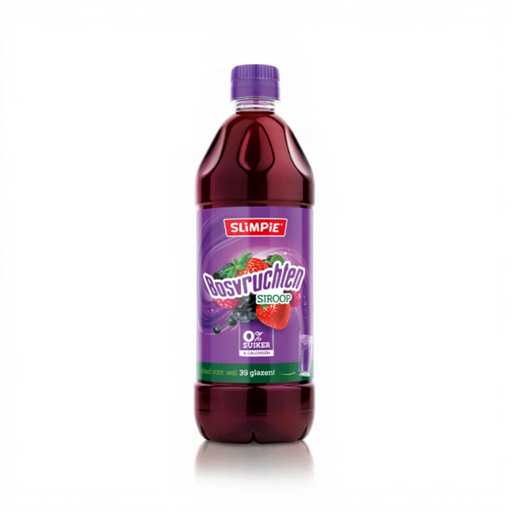
Why it fits this profile: The forest fruit flavour offers variety for families and for anyone looking for a plant-based syrup that is low in calories.
The nutritional information states 0 grams of sugar and approximately 1 kcal per 100 ml. At the same time, it clearly states that sweeteners are used.
It contains 6% fruit juice from concentrate, including blackcurrant, elderberry, raspberry and strawberry; according to the product information, it is suitable for vegetarians and vegans.
We have put together a complete, up-to-date list of products that fully meet these strict selection criteria and the applicable European safety regulations.
This varies by product. Many syrups use 1 part syrup to 9 parts water, while concentrated sugar-free varieties may specify 1 to 11. Start with the ratio on the label and adjust the flavour to your liking. The ratio may need to be different with sparkling water than with still water.
Always follow the instructions on the packaging. Many fruit syrups must be refrigerated after opening and used within the stated period. Close the cap securely, use a clean glass or measuring cup, and do not store the bottle in direct sunlight.
Not quite. “Sugar-free” refers to the sugar content, while “low-calorie” relates to the energy content. Therefore, check both values in the nutritional information table. Also look at the sweeteners in the ingredients list, as sugar-free syrup is usually sweetened with them.
