
Vandaag of morgen in huis

Kwaliteit gegarandeerd

Welkomstaanbiedingen ontgrendelen: GRATIS bezorging | Tot 80% korting | Gratis 30 dagen JoyPlus-proefperiode
Download de app
A bottle of lemonade syrup may seem like a straightforward purchase. However, products can vary considerably in flavour, ingredients, nutritional values and the number of glasses they make. A low price per bottle therefore does not always mean a low price per glass.
Terms such as fruit syrup, “with fruit” and “0% sugar” can also be confusing. Always check the label and compare products on a like-for-like basis. This helps you avoid buying a syrup that is not right for your household, diet or intended use.
A 600 ml bottle may appear better value than a 650 ml bottle, but the recommended mixing ratio determines the actual yield. Some varieties are mixed with 9 parts water, while others use 11 parts water. So check how many glasses or litres the manufacturer states.
A product may combine fruit concentrate, flavouring and sweeteners. This is not the same as a syrup with a high fruit content. Check where fruit or fruit juice concentrate appears in the ingredients list. Ingredients are listed in descending order by quantity.
A sugar-free lemonade syrup will generally contain sweeteners to provide a sweet taste. “Without sugar” therefore does not automatically mean without sweeteners. If you want to avoid certain sweeteners, it is worth checking the full ingredients list.
Compare the nutritional values per 100 ml of syrup and, if available, also per 100 ml of prepared drink. A concentrated syrup may contain a relatively high amount of sugar per 100 ml, even though you only use a small quantity.
For a low-calorie lemonade syrup, the values on the label are the deciding factor. For example, Slimpie Forest Fruit states 0 grams of sugar and 1 kcal per 100 ml of syrup. The Slimpie Raspberry and Lemon varieties also state 0 grams of sugar and 1 kcal per 100 ml. Also check which sweeteners are used, such as sucralose, acesulfame-K or cyclamate.
A clear mixing ratio makes comparisons easier. According to the product description, Karvan Cevitam products are mixed at a ratio of 1 part syrup to 9 parts water. The 600 ml bottle is stated to make up to 6 litres of lemonade, or around 30 glasses of 200 ml.
Slimpie Raspberry and Lemon use a mixing ratio of 1 to 11. According to the product information, a 650 ml bottle makes almost 8 litres of lemonade, enough for around 39 glasses. Taste is subjective, so start with the recommended ratio and adjust it to suit your preferences.
If you follow a vegan diet, avoid allergens or need to take milk into account, you need to look beyond the front of the packaging. Taksi Dragon Fruit Cordial, for example, states that it contains 40% dairy ingredients and therefore contains milk. This makes it less suitable for people looking for a dairy-free product.
Other products state that they contain none of the 14 major EU allergens. However, always check the current packaging, as recipes and labels can change. Also look out for colourings, preservatives and flavourings if you prefer to limit them.
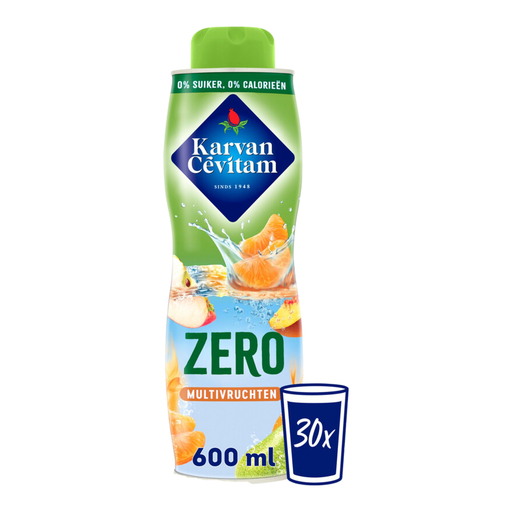
Why it suits this profile: A familiar fruit flavour and a clear 1:9 ratio make this variant practical for families that regularly serve lemonade.
The product description states a yield of up to 6 litres and around 30 glasses. This makes it easier to estimate the price per glass.
0.5 grams of sugar and 8 kcal per 100 ml of syrup according to the product details; with vitamin C stated on the label.
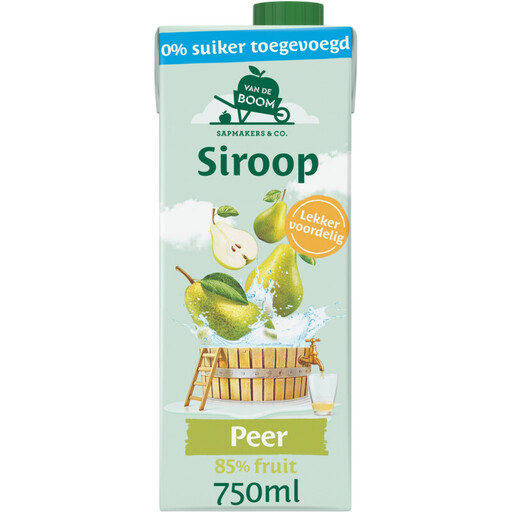
Why it suits this profile: This fruit syrup appeals to shoppers who place greater importance on fruit content and ingredients than on the bottle price alone.
The product description states 85% fruit and 0% added sugars. It does contain naturally occurring sugars and sweeteners, so check the label if this is important to you.
750 ml capacity; according to the product information, suitable for around 30 glasses and contains 40 kcal per 100 ml of syrup.
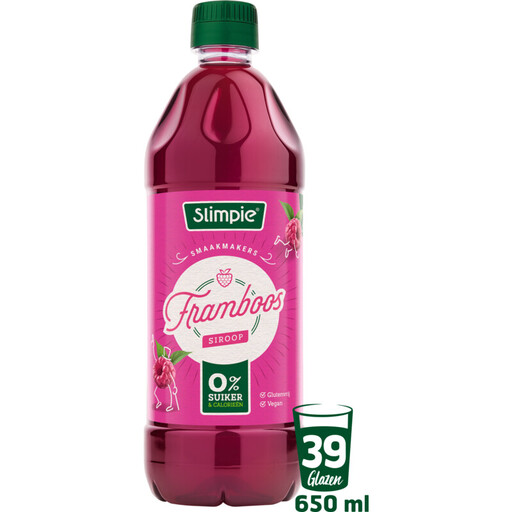
Why it suits this profile: The high yield per bottle is useful for households, sports clubs or parties where glasses of lemonade are often prepared.
The 1:11 mixing ratio and stated yield of almost 8 litres clearly show how much drink you can make from a single bottle.
0% sugar and 0% calories according to the product details; vegan and free from the 14 major EU allergens according to the product description.
We have put together a complete, up-to-date list of products that fully meet these strict selection criteria and the applicable European safety requirements.
For a familiar fruit flavour, blackcurrant syrup, raspberry syrup or orange syrup are natural choices. Karvan Cevitam offers varieties including blackcurrant, raspberry and orange. For a tropical taste, mango, passion fruit and pineapple are combined in the Tropical Original Syrup.
If you are looking for something different, rose syrup is an option. According to the product description, T.G. Kiat Rose Syrup is suitable for water, sparkling water, milk, desserts and cocktails. The nutritional information states 78 grams of sugar per 100 ml, making this syrup particularly suitable as a flavour accent or ingredient.
JENI Strawberry, Mango and Blueberry are also suitable for lemonade, desserts, cocktails and baking. According to the product details, these syrups contain relatively high amounts of carbohydrates and sugar. They are therefore best suited to users looking for a pronounced flavour and versatility, rather than primarily seeking a sugar-free syrup.
After opening, the bottle should usually be stored in the fridge. Close the cap securely and follow the storage instructions on the packaging. Use a clean measuring spoon or pouring spout to minimise spills and contamination.
For sparkling lemonade, add the syrup to chilled sparkling water. This helps the drink retain its flavour and prevents unnecessary foaming. For mocktails, start with a small splash, then top up with sparkling water, citrus or ice.
This depends on the volume and mixing ratio. According to various product descriptions, a 600 ml bottle with a 1:9 ratio makes around 30 glasses of 200 ml. According to the product information, 650 ml Slimpie varieties with a 1:11 ratio can make approximately 39 glasses.
No. Sugar-free syrup often contains sweeteners such as sucralose, acesulfame-K, steviol glycosides or cyclamate. Check the ingredients list if you want to avoid specific sweeteners.
Follow the information on the packaging. For many varieties, the guidance is to refrigerate after opening and use within the stated period. Store the bottle upright, close the cap securely and do not use the product if the seal was damaged when you bought it.
