
Vandaag of morgen in huis

Kwaliteit gegarandeerd

Welkomstaanbiedingen ontgrendelen: GRATIS bezorging | Tot 80% korting | Gratis 30 dagen JoyPlus-proefperiode
Download de app
A bottle of lemonade syrup may seem simple to choose. Yet there are clear differences in flavour, ingredients, dilution and yield. A low price per bottle, for example, tells you little if you can only make a few glasses. Terms such as “with fruit”, “natural” or “sugar-free” do not tell the whole story either.
With this practical buying guide, you can compare syrup based on verifiable factors. This makes it easier to choose between fruit syrup, fruit-flavoured syrup, sugar-free syrup and varieties for lemonade, iced tea or cocktails, for example.
Some products contain less sugar because sweeteners are used. That is not necessarily good or bad, but it may not suit every taste preference. Therefore, always check the ingredients list.
Slimpie Lemon, for example, states 0 grams of sugar and 1 kcal per 100 ml. According to the product information, the flavour is achieved using, among other things, sucralose and acesulfame-K. Teisseire Lemon Lime states less than 0.5 grams of sugar per 100 ml and uses, among other things, sucralose and steviol glycosides.
“75% fruit” sounds clear, but also check which fruit forms the base. In several Karvan Cevitam flavours, the juice consists of a combination of fruit concentrates. According to the label, the blackcurrant syrup contains, among other things, apple, blackcurrant and elderberry; blackcurrant is listed at 10%.
The percentage therefore tells you something about the amount of fruit concentrate, but does not automatically mean that one particular fruit determines the main flavour.
A 600 ml bottle can produce more than a 750 ml bottle when the recommended dilution is different. For several varieties, Karvan Cevitam recommends 1 part syrup to 9 parts water and states a maximum of 6 litres of lemonade, or around 30 glasses of 200 ml.
Slimpie uses a ratio of 1+11 and states approximately 8 litres of lemonade, enough for 39 glasses. If you pour in extra syrup for a stronger flavour, the yield will decrease.
Do not only compare the nutritional value of the concentrated syrup. Also look at the values of the prepared drink, when these are stated on the label. A syrup with 55 grams of sugar per 100 grams of concentrate is heavily diluted, but the final amount of sugar per glass is the relevant information for everyday use.
For example:
Always check the current packaging, as ingredients or nutritional values may change.
If you follow a vegan diet or avoid allergens, it is worth checking the ingredients and allergen information. Many fruit syrups in this selection do not list any of the 14 major EU allergens. According to the product information provided, this applies to Karvan Cevitam Raspberry, Teisseire Tropical and Raak Multi-Fruit, for example.
Taksi Dragon Fruit Cordial is different: according to the product description, this drink contains 40% dairy ingredients, with milk listed as an allergen. It is therefore not the same type of choice as a traditional fruit syrup.
Also look out for terms such as “natural flavouring” and “without colourings”. According to Karvan Cevitam’s own information, the varieties mentioned contain no colourings or artificial flavourings. Check the label of the specific bottle before buying.
Almost all the syrups mentioned should be kept tightly closed and refrigerated after opening. Pay attention to the instructions on the packaging: some products also specify a limited period after opening. A bottle that you only use occasionally therefore requires more attention than one that is finished within a few weeks.
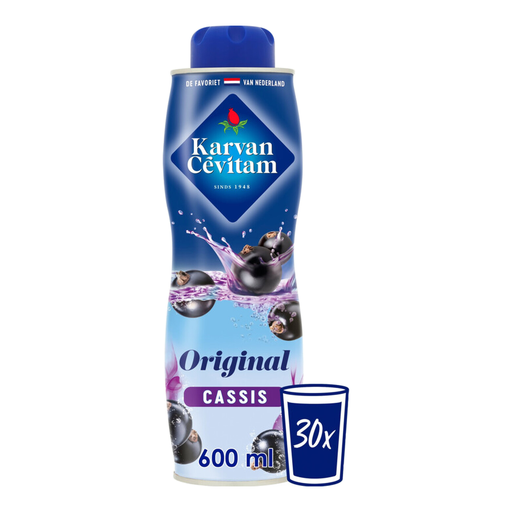
Why it suits this profile: The familiar blackcurrant flavour and stated yield make this bottle a straightforward choice for families who want to make standard lemonade.
The 1:9 mixing ratio and stated yield of 30 glasses make the expected quantity clear.
75% fruit concentrate according to the product information, and approximately 6 litres of prepared lemonade per bottle.
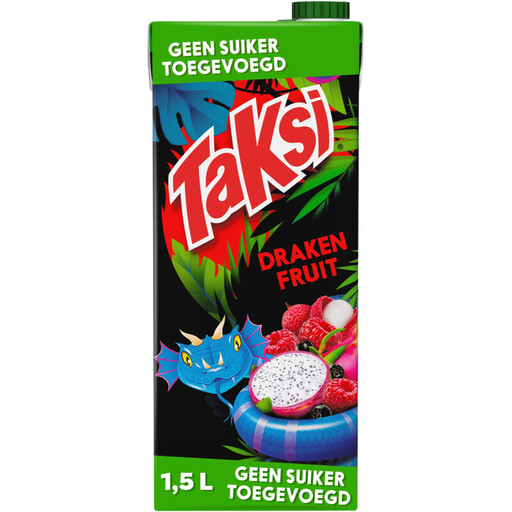
Why it suits this profile: Suitable for anyone looking for a ready-to-drink fruit beverage with an unusual flavour combination, rather than a syrup that needs to be diluted.
The product description clearly states that this is a drink containing fruit, dragon fruit, raspberry, lychee and dairy ingredients.
1.5 litres; according to the product information, 11 kcal and 2.3 grams of sugar per 100 ml. Contains milk.
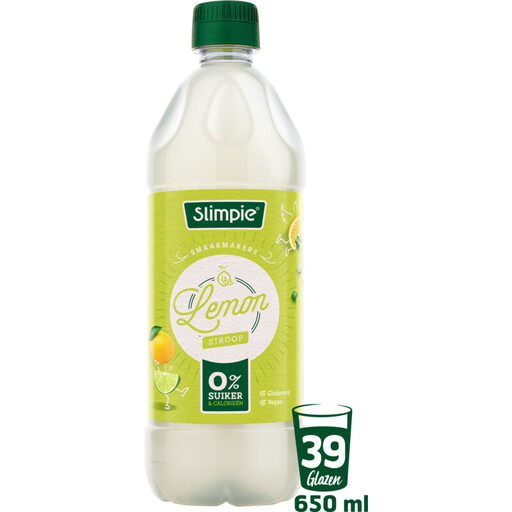
Why it suits this profile: Ideal for households that make lemonade regularly and deliberately choose a sugar-free syrup with a high yield.
The stated 1+11 mixing ratio and 39 glasses prevent you from looking only at the bottle size.
0 grams of sugar, 1 kcal per 100 ml and, according to the product information, vegan and gluten-free.
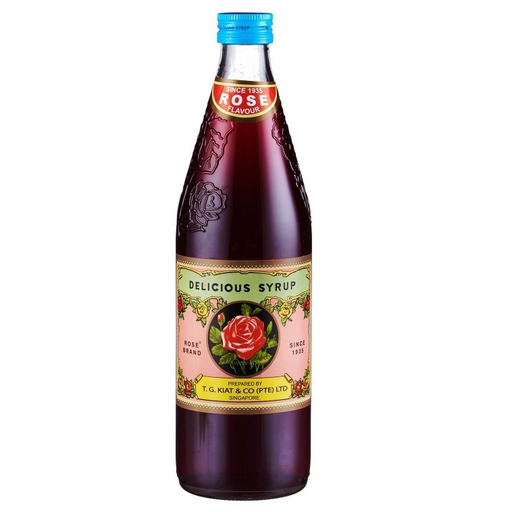
Why it suits this profile: An option for anyone wanting to use rose syrup in water, sparkling water, milk-based drinks, desserts or cocktails.
The ingredients list states cane sugar, rose flavouring, preservative and colouring. This means the composition can be checked in advance.
750 ml capacity and a stated nutritional value of 78 grams of sugar per 100 grams.
We have compiled a complete, up-to-date list of products that fully meet these strict selection criteria and the applicable European safety regulations.
Follow the mixing ratio on the label. A commonly used ratio is 1 part syrup to 9 parts water. For a lighter drink, you can use more water; taste it first before adding extra syrup. Sparkling water can also be used with many varieties, but add it slowly to prevent excessive foaming.
This varies by brand and product. After opening, store the bottle refrigerated, tightly closed and away from direct sunlight. Check the best-before date and the instructions for use after opening on the packaging. Do not use a product if the cap, seal or smell is unusual.
Not always to the same extent, but many sugar-free varieties contain significantly fewer calories than traditional syrups. Check the nutrition table. Slimpie Lemon states 1 kcal per 100 ml, while Teisseire Lemon Lime states 23 kcal per 100 ml. The sweeteners used and the fruit percentages may also differ.
