
Same-day & Next-day Delivery

Quality Guaranteed

Unlock Your Welcome Offers: FREE Delivery | Up to 80% OFF | Free 30-day JoyPlus trial
Download the APP
The drink syrup aisle can be overwhelming. From classic orange squash to exotic fruit syrups and countless sugar-free syrup options. Brands promise the fruitiest flavours and healthiest choices, but the reality is often different. Many bottles contain more sugar than fruit, or the 'value' bottle turns out to be more expensive per glass.
As a Joybuy Product Recommendation Officer, I'll help you see through the marketing claims. We'll look at the facts on the label, so you can make a choice that suits your taste, budget, and lifestyle. Let's examine the most common pitfalls for syrup-based drinks.
To avoid a bad purchase, it's helpful to know what to look for. By checking three simple specifications, you can make an informed choice.
The foundation of any syrup is sweetness. The question is where it comes from.
Don't be guided solely by the images on the bottle. The ingredient list tells the real story.
The true cost of your drink syrup is calculated per glass, not per bottle.
Based on these objective criteria, we have selected a number of products that cater to different preferences.
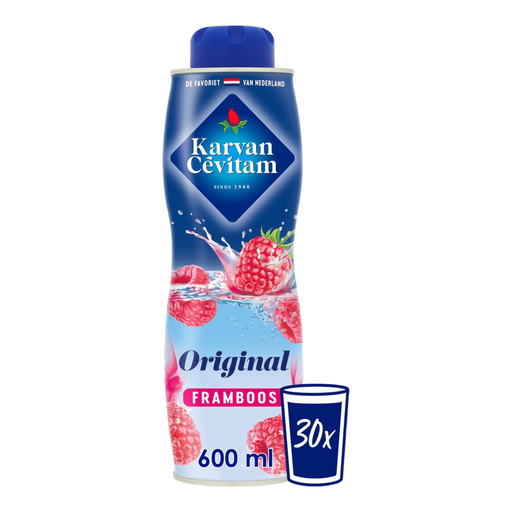
Why This Fits Their Persona: A trusted and beloved squash flavour for the whole family. The full raspberry taste is a favourite with children, and its clear positioning as a classic fruit syrup makes it a reliable choice for daily refreshment.
This syrup is honest about its composition. The claim of 75% fruit is based on juice concentrate, and the presence of sugar is not concealed. You know exactly what you're buying: a traditional, fruity syrup.
According to the manufacturer, the syrup contains 75% fruit and is a source of vitamin C. The 1:9 mixing ratio is standard and yields 30 glasses per bottle.
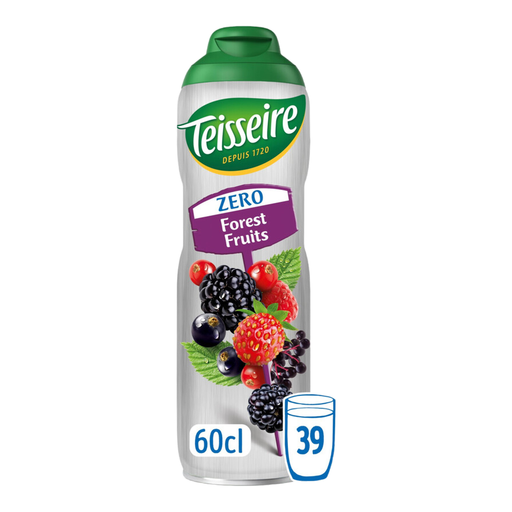
Why This Fits Their Persona: Ideal for those who want to add flavour to their water without sugar or calories. This sugar-free syrup fits perfectly into a conscious lifestyle without compromising on a full, fruity taste.
This product is transparent about its 'zero sugar' claim. The label clearly states the use of sweeteners, including steviol glycosides from Stevia. It completely avoids the sugar trap by offering a sugar-free alternative.
Contains 0% sugar and is low in calories. The flavour comes from 10% fruit juice from concentrate and natural flavourings. The metal bottle is infinitely recyclable.
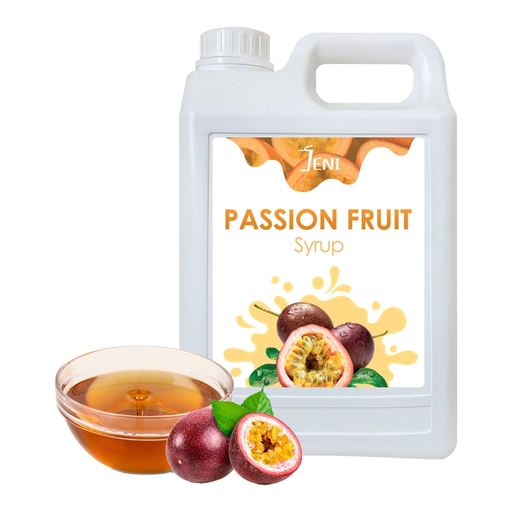
Why This Fits Their Persona: Perfect for those who love to experiment with (mock)tails, bubble tea, or want to give sparkling water a unique twist. The exotic passion fruit flavour is an excellent base for creative drinks.
This is not your average dilutable drink. The large packaging and specific flavour position it as an ingredient for special beverages, not as a standard syrup. It avoids the hidden cost pitfall by offering a large quantity for frequent use.
A very large 1.9-litre bottle offers excellent value for money for heavy users. The authentic passion fruit flavour is versatile for many applications.
We have compiled a complete, up-to-date list of products that meet these objective selection criteria and current regulations.
Most manufacturers recommend storing drink syrup in the refrigerator after opening and consuming it within a certain period. This period varies but is usually around 3 to 6 months. Always check the label for the manufacturer's specific storage instructions. The taste and quality may decline over time.
The main difference lies in the sweetener. Traditional syrup uses sugar (sucrose or glucose-fructose syrup) for its sweet taste, which adds calories. Sugar-free syrup replaces the sugar with low-calorie or zero-calorie sweeteners, such as sucralose, stevia, or acesulfame-K. This results in a drink with significantly fewer or no calories, but it may offer a different taste experience.
Absolutely. Drink syrup is excellent for mixing with sparkling water to create your own soft drink. This gives you complete control over the strength and flavour. Start with the recommended mixing ratio and adjust it to your liking. It's a simple way to create a refreshing, bubbly drink, ideal for a party or as an alternative to ready-made soft drinks.
