
Vandaag of morgen in huis

Kwaliteit gegarandeerd

Welkomstaanbiedingen ontgrendelen: GRATIS bezorging | Tot 80% korting | Gratis 30 dagen JoyPlus-proefperiode
Download de app
Korean noodles come in many forms: from quick instant noodles and ramen noodles to udon, jjajangmyeon and Korean cold noodles. The difference isn't just in the seasoning. The thickness, cooking method, packaging and allergens all determine whether a product suits your meal.
You often only notice a wrong choice during cooking. Thin noodles can become too soft in a strong broth, whereas thick noodles hold onto sauce much better. With these practical checkpoints, you can compare Korean noodles based on verifiable product information.
Korean instant noodles usually contain a portion of noodles with one or more sachets of seasoning, oil or dried vegetables. That's handy for a quick meal, but less flexible if you want to make your own broth or stir-fry sauce.
Dry packs of 500g, 900g or more often contain only noodles. You gain more freedom for your own recipes, but you'll need to factor in sauce, vegetables and protein sources yourself. Always check:
Some products are made in a Korean style, while the country of origin lies elsewhere. For example, the Golden Pagoda Fresh Udong Noodle Korean Style lists China as the country of origin. That doesn't make the product unsuitable, but it's relevant information when you're specifically looking for authentic Korean noodles.
So look beyond the product name to the label. There you'll find the country of origin, the ingredients and the responsible manufacturer or importer.
Wheat noodles often contain gluten. Seasoning mixes can also include soya, sesame, fish, shellfish, milk or mustard. For instance, the Youngpoong Nurea Noodle Red Kimchi lists wheat, soya, fish and molluscs.
Don't rely solely on a product photo or a general shop category. The product packaging may contain additional information. Always read the current ingredients list and allergen information on the label before use.
The texture determines how you use the noodles:
According to the product information, the Sempio Thick Square Wheat Noodles consist of 98% wheat flour, salt and water. Their thick, square shape makes them suitable for soup and noodle dishes with a hearty sauce.
Instructions vary by product. Instant ramen noodles are often ready in around three to four minutes. Fresh udon can be drained after just one to two minutes according to the product information. Dried noodles sometimes need four to six minutes.
Follow the packaging carefully. Overcooking affects the bite and can cause noodles to soften more quickly in broth. For bibim noodles, it's usually important to rinse them several times with cold water after cooking. Paldo Bibimmen, for example, recommends three to four minutes of cooking followed by two to three rinses.
A short ingredients list can be handy when you want to add flavour yourself. The Sempio variety, for instance, contains wheat flour, salt and water. With instant noodles, the seasoning mixes are often more extensive and may include sugar, oil, chilli, soya or flavour enhancers.
Also compare the salt content per 100g rather than just per pack. A family pack may contain multiple portions, while the nutritional information on the label is given per 100g. For catering and food service, large bags are practical, but store opened packs tightly sealed in a cool, dry place.
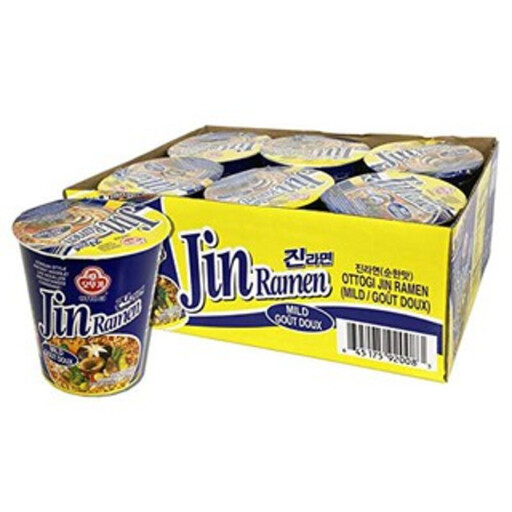
Why this fits the profile: Six portions of instant noodles are handy for students, busy households and anyone wanting to try an accessible ramen variety first.
The portion size and number of packs are clearly stated. Do check the current allergen information on the packaging.
Mild flavour according to the product description and six individual portions for stocking your cupboard.
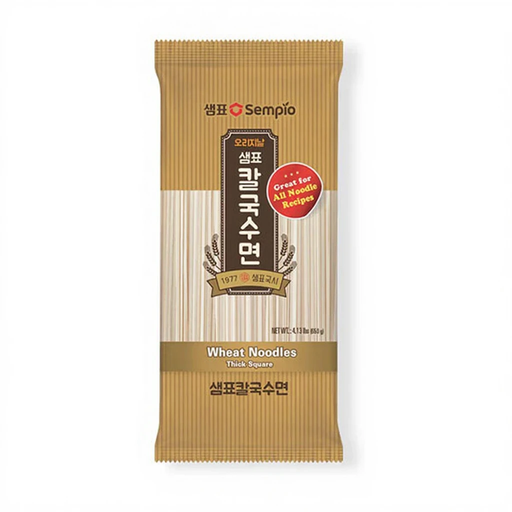
Why this fits the profile: For home cooks who prefer to decide on their own broth, vegetables and sauce rather than using a complete instant pack.
The composition is straightforward and, according to the label, contains wheat flour, salt and water. There's no seasoning sachet included that dictates the recipe.
650g of thick, square wheat noodles; suitable for homemade soup and saucy noodle dishes.
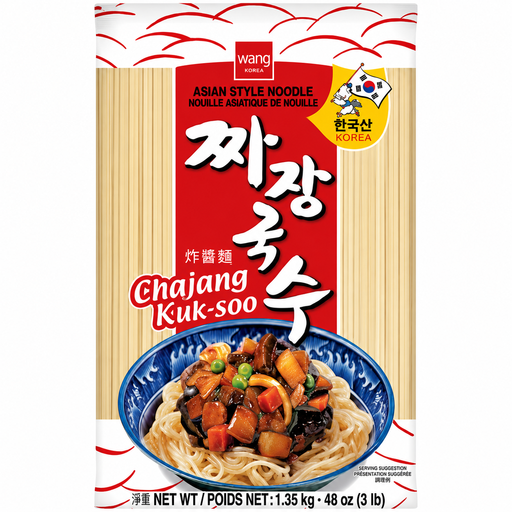
Why this fits the profile: A generous pack for jjajangmyeon enthusiasts, meal preppers, catering and food service who regularly use the same noodle base.
The weight is 1.36 kg and the ingredients list states wheat flour and salt. You're not paying for separate instant seasonings you don't need.
Large pack for multiple meals; suitable as a base for jjajangmyeon and other saucy dishes.
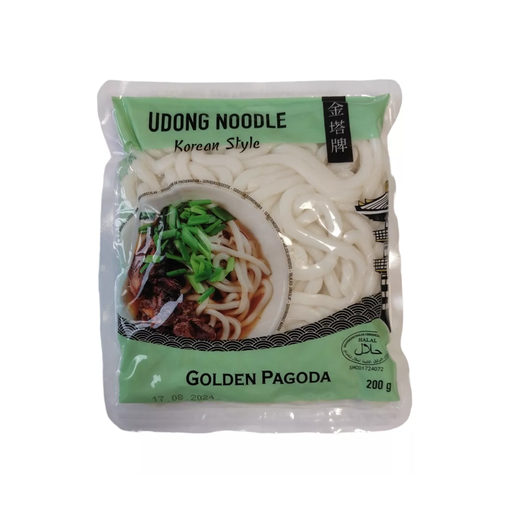
Why this fits the profile: For anyone wanting to prepare noodles quickly for stir-fries, soup or hotpot without a long cooking time.
The cooking instructions state one to two minutes. The country of origin is China, which clearly distinguishes between Korean style and Korean origin.
200g of fresh udon; wide noodles with a mild flavour and a stated cooking time of one to two minutes.
We've put together a full, up-to-date list of products that fully meet these strict selection criteria and comply with current European safety regulations.
Korean instant noodles are usually dried noodles with a seasoning, soup or sauce sachet. They're designed for a short preparation in boiling water. Some varieties, such as bibim noodles, are drained and rinsed cold after cooking. Others are eaten as a hot soup.
Use noodles specifically sold for jjajangmyeon, such as the Wang Jjajang Noodles. According to the product information, these contain wheat flour, salt and water and are intended as a base for a black bean paste sauce. Check the cooking time on the packaging and only add the sauce after the noodles have been thoroughly drained.
Store dried noodles in a cool, dry place away from direct sunlight. Seal an opened pack airtight to limit moisture and contamination. Fresh udon and opened meal packs may have different instructions. Always follow the label and do not use any product where the packaging is damaged.
