
Vandaag of morgen in huis

Kwaliteit gegarandeerd

Welkomstaanbiedingen ontgrendelen: GRATIS bezorging | Tot 80% korting | Gratis 30 dagen JoyPlus-proefperiode
Download de app
Buying Korean noodles seems straightforward – until you have to choose between thick udon, thin noodles, soba, jjajangmyeon noodles or instant varieties. The wrong type can make a soup cloudy, turn too soft in the pan, or simply not suit the sauce you want to use.
With this practical selection guide, you can compare texture, ingredients, packaging, preparation and use. That way, you’ll choose a product that fits your cooking style, mealtime and store cupboard.
The terms “udon”, “soba” and “thin noodles” don’t always tell you enough. A noodle can be dried, fresh, pre-cooked or part of an instant meal. That determines the cooking time and how you use it.
Korean noodles are used in a variety of preparations. Thick Korean udon, for example, works well in broth, stir-fries and hotpot. For jjajangmyeon, you need a noodle that holds the black bean sauce well. Bibim noodles, on the other hand, are served cold with a spicy or sweet-spicy sauce.
The origin also deserves attention. A product may have a Korean style but, according to the product information, be made in another country. So look at the country of origin on the product page and packaging.
The noodle itself may be made from wheat flour, water and salt, while the accompanying broth contains fish, beef, egg or other ingredients. For example, Nongshim Tempura Udon lists fish and wheat as allergens. Some varieties may also contain soya, sesame or shellfish.
Before you buy, check:
The texture determines how a noodle feels in a dish and how much preparation it needs.
Don’t just rely on words like “chewy” or “authentic” – also look at the ingredients, net weight and cooking method.
A pack of 200 or 300 grams is practical for trying out a type for the first time. A bulk pack, such as 900 grams or 1.36 kilograms, is more worthwhile if you make noodle dishes regularly.
Individually wrapped portions can be handy for meal prep or a household where not everyone eats at the same time. For example, the packaging of Colorful Manor Japanese Style Udon contains three separate portions with a total weight of 600 grams.
Check whether the noodles need to be boiled, soaked or cooked in the microwave. Golden Pagoda Fresh Udong states a cooking time of 1 to 2 minutes in boiling water. The Jinba Wei cup, on the other hand, states cooking in the microwave for around 2 to 3 minutes, with the addition of water.
Store dried noodles in a cool, dry place, away from sunlight, heat and moisture. After opening, seal the pack tightly. Do not use any product where the packaging is damaged, and always follow the date and instructions on the physical label.
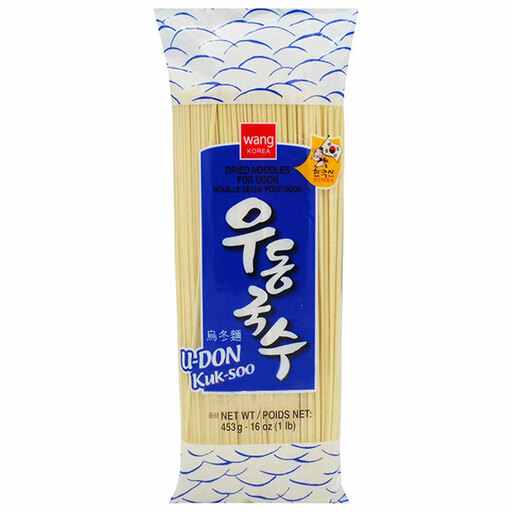
Why this fits the profile: A 453g pack offers a practical amount for trying Korean udon in soup or a stir-fry. According to the product information, this product consists of dried udon noodles and contains none of the 14 main EU allergens.
The product information clearly states the dry format, weight and storage conditions. Always check the current label before purchase.
Dried udon for your store cupboard; suitable for broth and saucy dishes; 453g per pack.
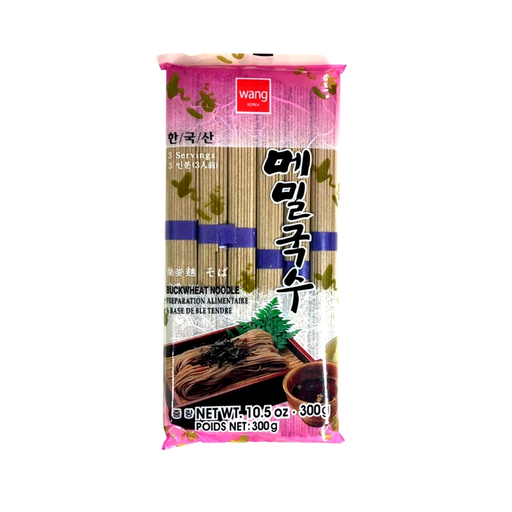
Why this fits the profile: These Japanese noodles are a choice for anyone who wants to prepare soba alongside Korean noodles. The ingredients list wheat flour, buckwheat, tapioca starch, salt and water.
The composition and allergens are listed, including gluten and possible traces of egg, milk, mustard, nuts and soya.
300g pack; buckwheat in the ingredients list; suitable for cold or warm soba dishes.
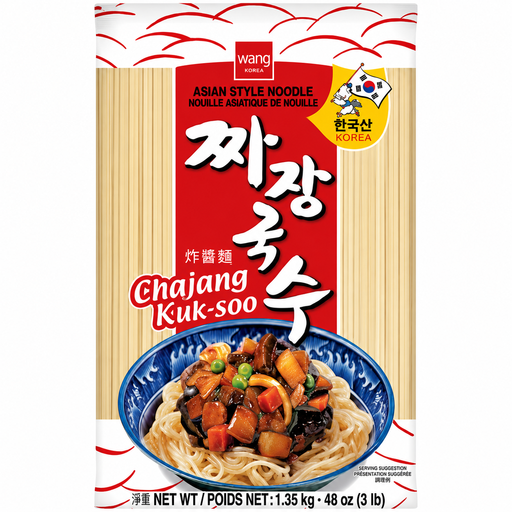
Why this fits the profile: The bulk pack is intended for households that regularly make jjajangmyeon or want to keep a generous stock of Korean wheat noodles.
The product is specifically labelled for jjajangmyeon and states a net weight of 1.36 kg. That way, you don’t buy a small trial pack for regular use.
1.36 kg contents; wheat flour and salt as listed ingredients; country of origin South Korea.
We’ve put together a full, up-to-date list of products that fully meet these strict selection criteria and comply with current European safety regulations.
Both types are generally thick and wheat-based, but the exact composition, origin and preparation vary from product to product. Check the label rather than relying on the style name alone. Korean udon is often used in soup, hotpot and stir-fries.
Follow the best-before date on the packaging. Store opened noodles in a cool, dry place, tightly sealed. Moisture and heat can affect the quality. Also check that the packaging is intact before use.
Instant udon noodles and cup noodles are practical when you only need hot water or a microwave. With Nongshim Tempura Udon Cup Noodle and similar products, do check the salt content and allergens in the broth. For more control over ingredients, choose dried udon, soba or thin noodles and add your own vegetables, tofu or sauce.
