
当日/次日达

品质保障

开启新人专享福利: 全场免邮 | 低至 2 折 | 免费试用 30 天 JoyPlus 会员
下载 Joybuy
Udon noodles are thicker and chewier than many other Asian noodles, which makes them ideal for broth, stir-fries, hotpot and speedy meal bowls. However, not every packet is suited to the same cooking method. If you choose based solely on an appealing flavour name or a low price, you could end up with too much sauce, an awkward portion size, or noodles that simply don't work with the dish you had in mind.
These pointers will help you compare udon noodles with confidence and avoid a disappointing purchase.
A meal bowl with teriyaki, curry or chilli sauce is ready in an instant, but you have less control over the taste and salt content. For soup or your own stir-fry sauce, plain udon noodles are usually the more practical choice. So check whether you're buying a loose pack of noodles or a complete meal kit with sauce sachets.
Not all udon noodles are instant. Some fresh udon noodles only need a brief heat, whereas dried varieties must first cook in boiling water. A microwave meal often requires just two to three minutes, but a loose packet may need around five minutes of cooking. Always follow the instructions on the packet.
Wheat and gluten are common in udon noodles. Sauces may also contain soya, peanut or sesame. A 200 g packet works well as a single portion, whereas a bulk pack of 30 servings is more suited to large households, catering or food service. So compare the price per 100 g or per portion, not just per packet.
Plain udon noodles give you the most freedom. You add your own broth, vegetables, tofu, meat or stir-fry sauce. They work well as udon noodles for soup, udon stir-fry noodles and hotpot.
Instant udon noodles are handy when speed is the priority. According to the product information, Nature's Best Harvest Udon Instant Noodles come in 200 g portions and take around five minutes to prepare. The ingredients list includes wheat flour, water, salt and food alcohol for preservation.
An udon meal bowl contains not only noodles but also sauce, vegetables or toppings. That's practical for lunch, student kitchens or a quick evening meal. However, do check the ingredients of each individual sachet. Various ready-to-eat varieties contain wheat, soya and sesame; some products also list peanut as an allergen.
The distinctive texture of udon is often described as thick, smooth and chewy. This comes from wheat flour, gluten and thickeners. The exact composition varies from product to product. A short ingredients list doesn't automatically mean the noodles are a better match for your dish, but it does help when comparing.
Fresh or shelf-stable udon noodles may contain acidity regulators. For SUKI Udon Noodles, the product description notes that a slight sourness can be normal and that rinsing before cooking can reduce it. That's a useful step if you plan to use the noodles in a mild soup.
Choose a small packet if you want to try different Japanese udon noodles. A multipack of six is more convenient if you make noodle dishes regularly. A box of 30 x 200 g portions makes most sense for families, restaurants or meal prepping.
Also check the storage instructions. Many shelf-stable varieties need to be kept cool, dry and out of direct sunlight. Once opened, the packet should be sealed properly, and you should avoid using damaged packaging.
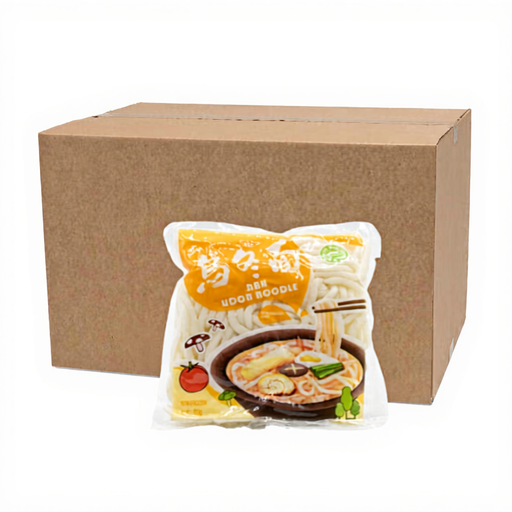
Why this fits the profile: The individual 200 g portions are practical for students, families and anyone wanting to stock up. The noodles are suitable for boiling, stir-frying and hotpot.
The packaging clearly states the portion size, cooking method and ingredients. You're buying plain noodles with no pre-determined sauce.
30 individual 200 g portions; suitable for boiling, stir-frying and hotpot; preparation according to the product information in around five minutes.
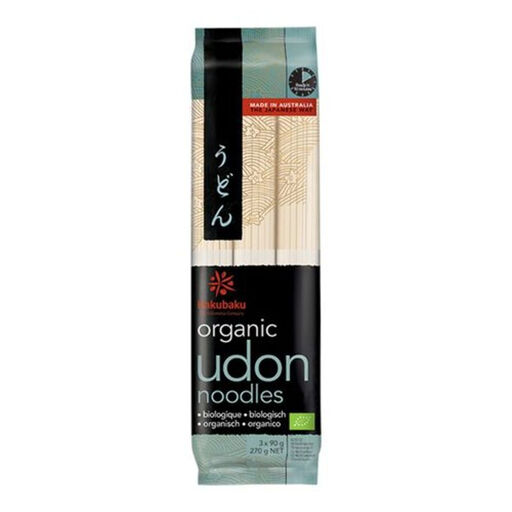
Why this fits the profile: This variety has a straightforward composition of wheat flour, salt and water. That suits cooks who want to decide their own broth, sauce and toppings.
You're not paying for a ready-made sauce that might not suit your dish. The ingredients and wheat content are listed in the product information.
270 g per packet; according to the product description, made from 95% wheat flour, 5% salt and water; suitable for soup and stir-fry dishes.
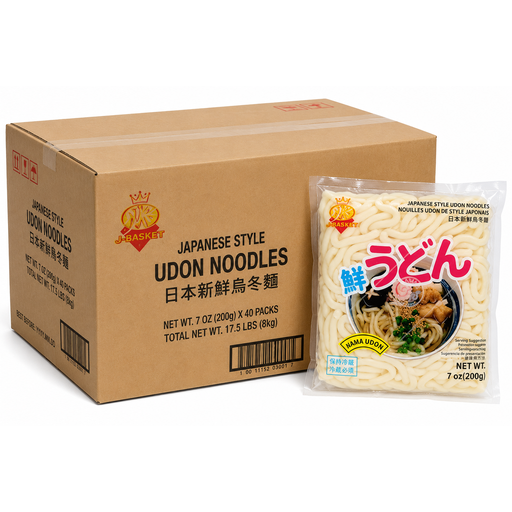
Why this fits the profile: The box contains 30 individually wrapped 200 g portions. That's easy to manage for food service, catering, large families or regular cooking.
The portions are individually wrapped, so you don't have to use a large opened bag all at once. The product information lists wheat as an allergen.
30 portions of 200 g; according to the product description, suitable for soup, stir-fry and cold noodles; short preparation time is noted.
We've put together a full, up-to-date list of products that fully meet these strict selection criteria and comply with current European safety regulations.
It depends on the variety. Fresh or shelf-stable noodles are often heated briefly in boiling water or according to the packet instructions. Instant udon noodles may need around five minutes. A meal bowl is usually intended for the microwave. For products with sachets, you may need to add roughly 20 ml of water and cover the bowl loosely.
Yes. Plain udon noodles work well for both uses. Add them to the broth at the right moment so they don't overcook. For stir-fries, you can heat them first, drain them, then quickly toss them with vegetables, a protein source and sauce.
Check the date on the packet and follow the manufacturer's storage instructions. Store unopened shelf-stable udon noodles in a cool, dry place away from direct sunlight. Once opened, they should be sealed properly. Also always re-check the ingredients and allergens on the physical label, as packaging information can change.
