
Vandaag of morgen in huis

Kwaliteit gegarandeerd

Welkomstaanbiedingen ontgrendelen: GRATIS bezorging | Tot 80% korting | Gratis 30 dagen JoyPlus-proefperiode
Download de app
Korean instant noodles are handy for a quick meal, but the range varies considerably. A packet of Korean ramen can be a soup, while other Korean noodles are meant to be drained and mixed with sauce. The number of portions, the level of heat and the allergen information also differ.
If you only look at a striking packet or a well-known brand name, you could end up buying a multipack that doesn't suit your taste or how you plan to use it. With these checkpoints, you can make a more informed choice from options including Shin Ramyun, Buldak ramen, Nongshim noodles, Samyang noodles and milder varieties from Ottogi.
Don't just compare the number of packets. A pack with six portions of 65 grams is quite different from five portions of 120 or 130 grams. So look at:
A multipack of ramen is especially practical if you eat noodles regularly. For occasional use, a smaller pack might be wiser, so the flavour doesn't go to waste.
Heat isn't a fully standardised consumer measure on packaging. So a chilli image or the term spicy ramen doesn't always give you a true idea of the intensity. Also pay attention to the preparation method:
If you're new to Korean instant noodles, you could start with a mild Jin Ramyun variety. Fans of bold flavours might prefer Shin Ramyun, Neoguri or Samyang Buldak.
Many Korean noodles contain wheat and soya. Depending on the flavour, milk, fish, shellfish, mustard, celery, egg, sesame or other allergens may also be present. Product information can vary by pack or market. So always check the current label before preparing the product.
The salt content also deserves attention. In the available product information, the values per 100 grams vary. Use the nutritional table as a comparison point and don't automatically add the full seasoning mix if you prefer a milder taste.
Korean instant ramen can broadly be divided into two groups:
So check the cooking instructions. Paldo Bibimmen, for instance, requires rinsing the noodles under cold water after cooking. That's a different preparation from a bowl of ramen with broth.
Many varieties are around 120 to 140 grams per portion and take about four to five minutes to prepare. That makes them suitable for students, busy professionals and a quick Korean meal at home. Use the amount of water stated on the packet; this can vary from around 500 to 550 millilitres depending on the product.
A larger portion isn't automatically better. For a light snack, a smaller pack may be enough. If you want to make a full meal, you can add egg, tofu, mushrooms, pak choi or other vegetables to the noodles.
Alongside the flavour, also check:
Product descriptions can be out of date or contain less information than the label. So the packaging is the definitive guide for use, warnings, origin and allergens.
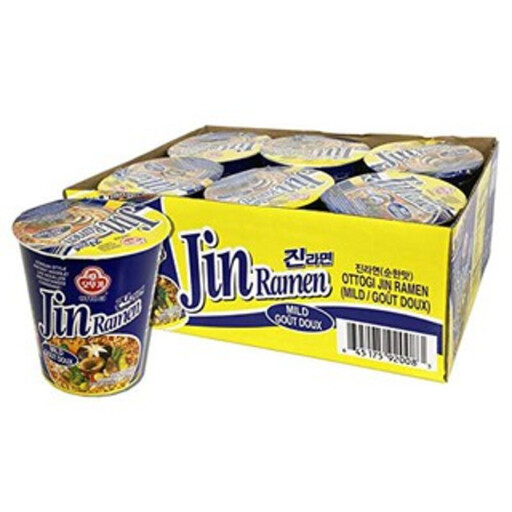
Why this fits the profile: The mild flavour and six individual portions make this an easy introduction to Korean noodles.
The product clearly states six portions of 65 grams, so the size isn't confused with a larger meal portion.
Mild flavour, six individual packets and a broth containing garlic, vegetables and mushroom according to the product description.
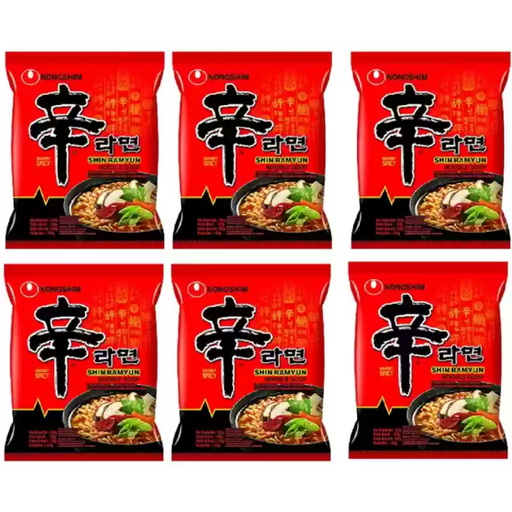
Why this fits the profile: Ideal for ramen fans looking for a hearty, spicy Korean noodle soup with a larger portion.
The packaging states six portions of 120 grams and a cooking time of around 4.5 minutes, making comparison easier.
Six portions, soup preparation and a seasoning mix with chilli, garlic, mushroom and dried vegetables according to the product information.

Why this fits the profile: A practical choice for fans of spicy, dry noodles who want to enjoy Buldak ramen regularly.
The product description clearly states that the noodles are mixed with sauce. So you won't expect a standard broth ramen.
Ten portions of 130 grams, carbonara seasoning and preparation as stir-fried noodles. Contains gluten, soya and milk according to the product information.
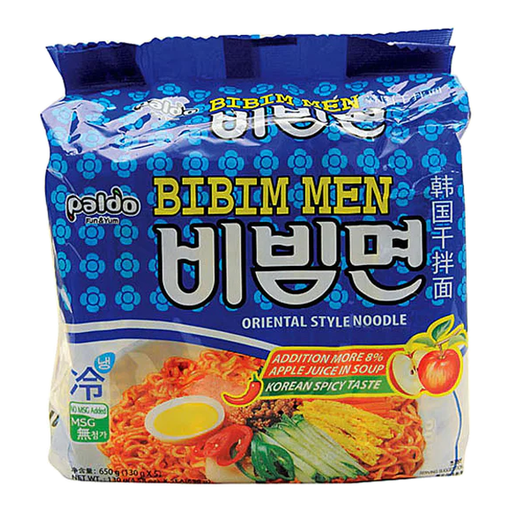
Why this fits the profile: Suits eaters who want to alternate a sweet-spicy sauce and a cold noodle preparation with Korean noodle soup.
The instructions describe boiling, rinsing cold and mixing. That prevents confusion about the required preparation.
Five portions of 130 grams and a sweet-spicy sauce. According to the available product information, it contains none of the fourteen main EU allergens; always check the current label.
We've put together a full, up-to-date list of products that fully meet these strict selection criteria and current European safety regulations.
Always follow the instructions on the packet. With soup noodles, you typically boil water, add the noodles and seasoning, and let everything cook for a few minutes. With dry varieties, you drain the cooking water before adding the sauce. An egg, spring onion, pak choi, tofu or kimchi can add extra texture, but it will also change the nutritional value and flavour.
Store unopened packets in a cool, dry place away from direct sunlight. Do not use a packet if it is damaged. The best-before date and any additional instructions are on the label.
No. Ottogi Jin Ramyun Mild, for example, is described as a mild variety. Other products, such as Shin Ramyun, Neoguri and Buldak ramen, have a spicier flavour profile according to their product descriptions. The perceived heat varies from person to person and depending on preparation.
Check the date on the packet and store the product according to the stated storage instructions. Once opened, it's best to use a packet straight away, so the seasoning and noodles aren't exposed to moisture.
They are intended as a quick meal or snack, but they don't automatically contain all the ingredients of a complete meal. Add vegetables, egg, tofu or another source of protein as you wish. If you have allergies, always check the current ingredients list and warnings.
