
Vandaag of morgen in huis

Kwaliteit gegarandeerd

Welkomstaanbiedingen ontgrendelen: GRATIS bezorging | Tot 80% korting | Gratis 30 dagen JoyPlus-proefperiode
Download de app
Korean noodles come in many forms: from quick Korean instant noodles and spicy Korean ramen to broad udon, cold noodles and noodles for Korean dishes such as jjajangmyeon. With such a wide selection, choosing the right product is not always easy. Attractive packaging often reveals little about the cooking time, allergens or the type of dish the noodles are best suited to.
Pay particular attention to these three common pitfalls:
The shape and ingredients determine how you use the noodles.
Instant noodles are ideal for a quick meal. They usually come with one or more seasoning sachets. Check the preparation method: Namdong Beef Jjigae Noodles, for example, require 400 ml of boiling water and take around four minutes to prepare. Ottogi Jin Ramyun Mild comes in a pack containing six 65-gram portions.
When choosing Korean ramen, look out for:
According to YOUNGPOONG’s product information, Nurea Noodle Red Kimchi contains, among other ingredients, anchovy, mussel and pollock extracts. This is therefore an important consideration for anyone avoiding fish or molluscs.
Korean udon noodles are broad, smooth and relatively thick. They work well in stir-fries, stock and hotpot dishes. According to the product description, GOLDEN PAGODA Fresh Udong Noodle Korean Style has a mild flavour and a cooking time of 1 to 2 minutes. The ingredients list includes wheat flour, water and tapioca starch, among other ingredients.
These noodles are particularly suitable when you:
Pay attention to the difference between a 200-gram pack, a multipack of 5 × 200 grams and a catering pack of 30 × 200 grams. Ultimately, the quantity determines whether the purchase suits your household or kitchen planning.
Korean cold noodles are rinsed with cold water after cooking. Bibim noodles are usually mixed with a sauce rather than served in plenty of stock. According to the preparation instructions, Paldo Bibimmen requires 550 ml of water, after which the noodles are rinsed under cold water 2 to 3 times.
A 385-gram pack of Kuai Lai Kuai Wang Korean Cold Noodles contains noodles, soup base, sesame chilli oil and sauce. The ingredients include wheat, soya and sesame, among others. Fish and sesame are listed as allergens for CHOUNGSOO Hamshin Bibim Cold Noodles. Always check the label before putting a dish together.
Korean wheat noodles are often made primarily from wheat flour, salt and water. According to the product information, Sempio Thick Square Wheat Noodles contains 98% wheat flour and 2% salt and contains gluten. Wang Jjajang Noodles For Jjajangmyeon also has a simple base of wheat flour, salt and water.
The list is often longer for seasoned instant noodles. Pay particular attention to:
Online product information may differ from the packaging. Always read the current ingredients list and allergen information on the product itself.
Cooking time is a practical selection criterion. Thin dried noodles may need around 4 to 6 minutes. According to the product description, fresh udon may be ready after just 1 to 2 minutes. Instant ramen is generally soaked or boiled according to the instructions on the packet.
Use the wrong preparation method and the texture will disappoint: cooking for too short a time leaves a hard centre, while cooking for too long can make the noodles soft and limp. For a kitchen handling lots of orders, a clear cooking time and large pack are therefore important.
An 83-gram pack is intended for a quick individual meal. For stocking up or catering, bags of 500 grams, 900 grams, 1,36 kilograms or multipacks make more sense. Also check the storage instructions: most of the products mentioned should be kept in a cool, dry place, away from direct sunlight, heat and moisture.
After opening, the packaging should be sealed properly. Also check the best-before date on the physical label. Do not use a product if the packaging is damaged.
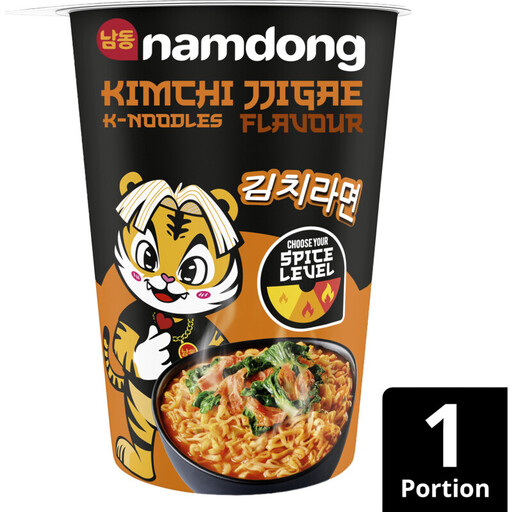
Why this suits the profile: A single portion is a practical way to try Korean instant noodles without immediately buying a large supply.
The portion size and product category are clearly stated; however, check the preparation instructions on the packaging.
83 grams per pack; according to the product information, free from the 14 main EU allergens.
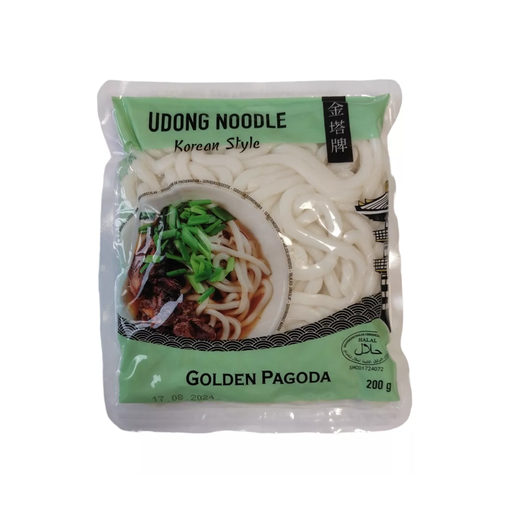
Why this suits the profile: These broad, smooth noodles work well in soup, stir-fries and hotpot dishes.
The preparation method specifies a cooking time of 1 to 2 minutes, so you do not heat the noodles for longer than necessary.
200 grams per pack; contains wheat flour and, according to the product information, has 120 kcal per 100 grams.
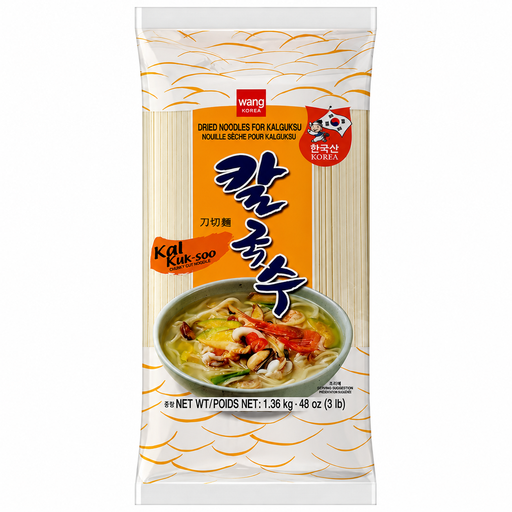
Why this suits the profile: The large pack is ideal for households, restaurants and caterers that regularly prepare Korean knife-cut noodles.
The product specification clearly states the quantity and simple ingredients: 97% wheat flour, salt and water.
1,36 kilograms; suitable for noodle soup, hotpot and homemade dishes; contains wheat.
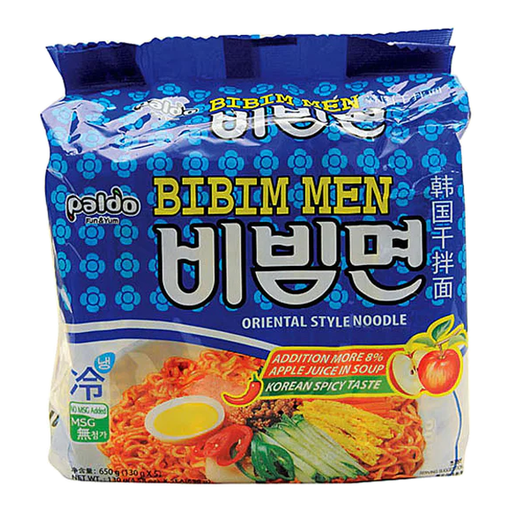
Why this suits the profile: This multipack is convenient for anyone wanting to prepare several portions of bibim noodles with noodles rinsed in cold water and sauce.
The instructions specify both a cooking time of 3 to 4 minutes and rinsing with cold water two to three times.
Five 130-gram packs; intended for cold, mixed bibim noodles.
We have put together a complete, up-to-date list of products that fully meet these strict selection criteria and the applicable European safety regulations.
Use special jjajangmyeon noodles, such as Wang Jjajang Noodles For Jjajangmyeon. According to the product information, these are made from wheat flour, salt and water. Serve them with a separate black bean sauce and check the wheat or gluten information beforehand.
Store dried and instant noodles in a cool, dry place, away from sunlight, heat and moisture. Seal opened packaging securely. Always check the label for the best-before date and specific instructions.
Bibim noodles are rinsed after cooking and mixed with a sauce. Korean cold noodles can be served with a cold soup base, oil and additional ingredients. Preparation varies by product, so follow the instructions on the packaging.
