
Vandaag of morgen in huis

Kwaliteit gegarandeerd

Welkomstaanbiedingen ontgrendelen: GRATIS bezorging | Tot 80% korting | Gratis 30 dagen JoyPlus-proefperiode
Download de app
A pack of Japanese instant noodles might seem simple to choose: compare flavour, number of servings and price, order, and you're done. Yet there are clear differences between instant ramen, cup noodles, ramen noodles, udon noodles and yakisoba noodles. What's more, the packaging can paint a bigger picture than the product specifications justify.
So pay particular attention to these three common pitfalls:
A standard sachet often contains around 100 grams, whereas a cup noodles pack might contain 66 grams, for example. You'll notice that difference when you're making a quick meal or when you want to add egg, vegetables, tofu or meat to the noodles.
For a household, office or catering business, a bulk pack of instant noodles can be practical. Keep an eye on:
A multipack such as 30 × 100 grams makes most sense if you already know the flavour. For occasional use, a single serving or cup can be more convenient.
Many instant ramen are ready in about three minutes with boiling water. That's the case, for example, with products where you put the noodles and seasonings in a bowl, add water and cover the bowl. Other types need to be boiled first and then mixed with sauce or seasonings.
So check whether your product:
With spicy ramen, a separate sachet of oil or chilli powder can help you adjust the flavour to your taste. With noodle soup, the amount of water is especially important: too little water gives a strong broth, while too much water dilutes the flavour.
Wheat and soya are common in many Japanese noodles. Sesame, milk, egg, fish, shellfish and celery may also be present or listed as possible traces. If you have an allergy, you must check the actual packaging and not rely solely on the product name.
Nutritional values vary by brand and recipe. Pay particular attention to salt per serving, fat, carbohydrates and serving size. The value per 100 grams is not always the same as the value for the prepared product. With products that have a hearty soup base, such as miso ramen or tonkotsu ramen, the broth can contain a significant portion of the salt content.
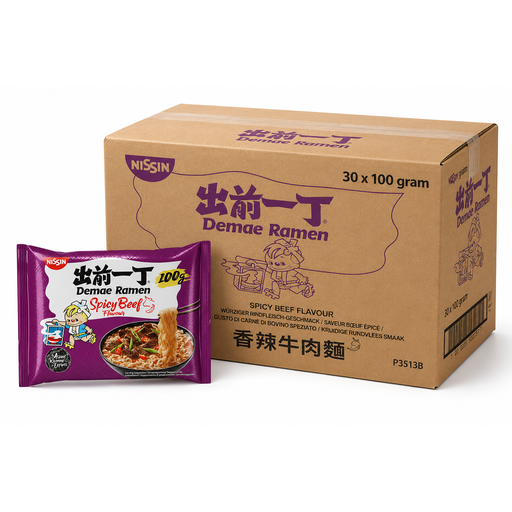
Why it fits the profile: A bulk pack with individual servings is practical for students, families and busy households who regularly want to prepare a quick meal.
The number of servings and net weight are clearly stated. According to the product description, preparation takes 3 minutes and the spiciness comes from separate seasoning and oil sachets.
30 individual servings of 100 grams, firm noodles and a beef flavour with spicy seasonings. Contains wheat and soya.
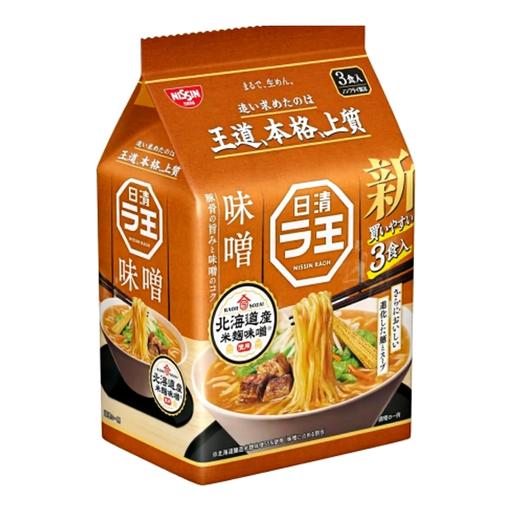
Why it fits the profile: Suitable for ramen lovers who want a more substantial pack and like to top their bowl with spring onion, egg or chashu.
The packaging states 3 servings, the country of origin Japan and a miso broth containing pork extract and vegetables, among other things. Check allergens on the label.
297 grams divided into 3 servings, wholewheat noodles and a deep miso flavour according to the product description. Contains wheat, egg, milk, sesame, soya, chicken and pork, among others.
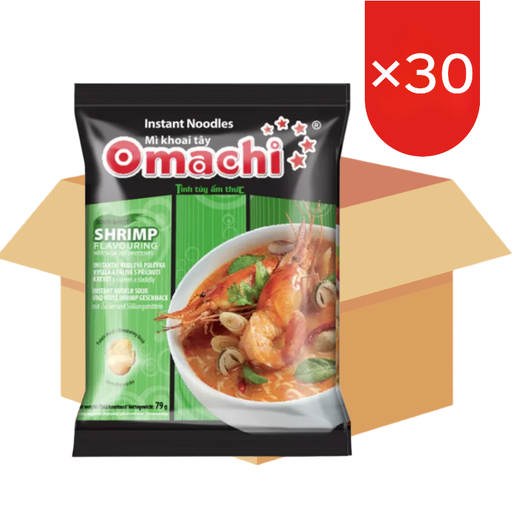
Why it fits the profile: The box of 30 individual packs suits offices, restaurants, Asian supermarkets and households with high consumption.
The box states 30 × 79 grams, preparation with 400 ml of boiling water and a 3-minute wait. So the serving information is clear upfront.
30 individual servings, prawn flavour and potato-rich noodles according to the product description. Contains wheat, fish and soya.
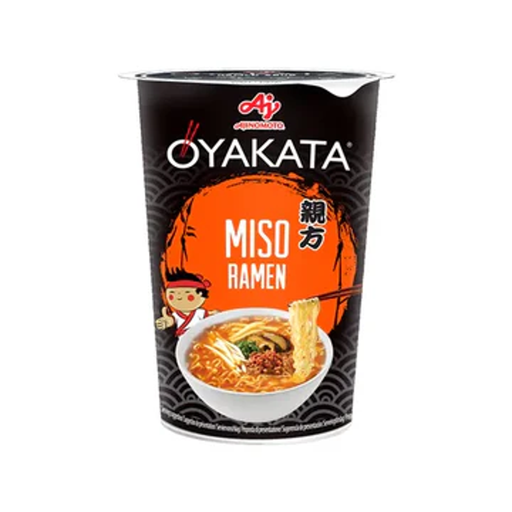
Why it fits the profile: A cup noodles pack is handy when you have little kitchen equipment, for example at the office, in a student room or on the go.
The 66-gram serving makes the difference from larger sachet packs clear. You pay for convenience and don't need to use a bowl; do check the stated salt content.
66 grams per cup, miso base and preparation with hot water in a few minutes. Contains wheat and soya; possible traces are stated on the packaging.
We've put together a full, up-to-date list of products that fully meet these strict selection criteria and comply with current European safety regulations.
Always follow the instructions on the packaging. With many sachet varieties, you add boiling water, cover the bowl and wait about three minutes. Some ramen noodles need to be boiled in a pan first and then drained. Only add seasoning oil or sauce when the instructions tell you to.
The exact best-before date is on the packaging. Store unopened products in a cool, dry place away from direct sunlight. Check the packaging for damage and, if in doubt, follow the information from the manufacturer or importer.
Yes, many varieties are designed for preparation in just a few minutes. The ultimate suitability depends on your serving size, available preparation time and desired flavour. For a larger meal, you can add toppings; for a small snack, a cup noodles serving can be more practical.
