
Vandaag of morgen in huis

Kwaliteit gegarandeerd

Welkomstaanbiedingen ontgrendelen: GRATIS bezorging | Tot 80% korting | Gratis 30 dagen JoyPlus-proefperiode
Download de app
If you’re looking for konjac noodles, you’ll usually want to cut down on calories or carbohydrates without removing noodles from your menu altogether. However, products can vary considerably. The shape, ingredients list, nutritional values and preparation method all affect how well a pack suits your meal.
Shirataki noodles are made from konjac, a plant whose root is used as the raw ingredient. They are often translucent, have an elastic bite and a neutral flavour. This means they readily absorb sauces, stock and spices. That may sound straightforward, but there are a few common buying pitfalls to watch out for.
Marketing terms do not always tell you everything. Check the nutritional value per 100 grams and look at the serving size too. Within the range, for example, values vary from 6 to 21 kcal per 100 grams. Some products also contain starch, oats, rice flour or sweet potato. As a result, their carbohydrate content may be higher than that of noodles made solely from water and konjac.
Fine shirataki noodles behave differently from a wide variety. Thin noodles work well in soups, salads and stir-fries. Konjac udon is thicker and is better suited to stock, stews and hotpot dishes. For pasta dishes, konjac spaghetti and konjac fettuccine are more logical choices, as their wider or longer shape carries more sauce.
Wet konjac noodles are usually packed in water. A slight packaging smell may be noticeable when you open them. Draining them well and rinsing them under cold water for 2 to 3 minutes helps reduce the smell. With some varieties, briefly boiling or heating the noodles improves their bite. Anyone who adds the noodles straight from the pack to a sauce may therefore be disappointed.
A simple ingredients list might consist of water and konjac powder. Other products contain an acidity regulator, calcium hydroxide, starch or extra flour. That is not necessarily a problem, but it does affect the nutritional values and whether the product is suitable for your diet.
For gluten-free noodles, always check the label. Hethstia Konjac Noodle Oat Spaghetti, for example, states that it contains gluten from oats. This product is therefore not automatically suitable for someone who avoids gluten completely. If you have an allergy or intolerance, the packaging is the deciding factor; a general product description is no substitute for checking the current ingredients list.
Many varieties are marketed as vegan noodles and, according to the product information, contain no animal-derived ingredients. Check this again for each product, especially when flavourings or a sauce sachet are included.
When choosing low-carb noodles, low-calorie noodles or keto noodles, three points are important:
Hethstia Konjac Noodle Spaghetti lists 6 kcal and 1.3 grams of carbohydrates per 100 grams. City Aroma Shirataki Fine Noodles lists 7 kcal and 1.7 grams of carbohydrates per 100 grams. Figures like these can be checked in the product information, but they may vary depending on the recipe and serving size.
Pay attention to the salt content too. City Aroma Shirataki Udon 20 x 400 g, for example, lists 3 grams of salt per 100 grams in the nutritional information provided. That is clearly different from other varieties. So check the packaging before buying a multipack.
Most wet shirataki noodles are quick to prepare:
After opening, some products must be kept refrigerated and used within two days. Other packs recommend immediate consumption. Always follow the instructions on the packaging and do not use a product if its packaging is damaged.
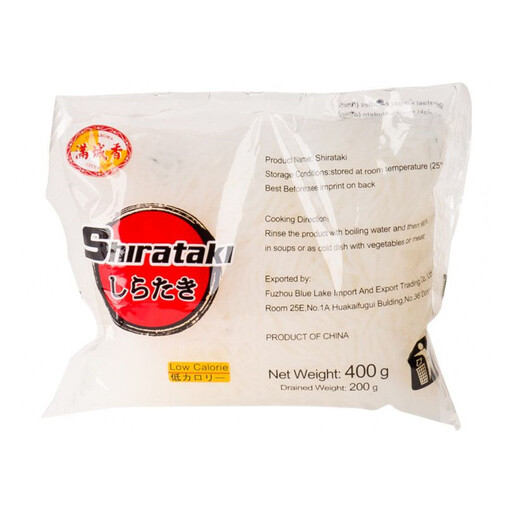
Why it suits this profile: The fine shape is a versatile choice for anyone trying shirataki noodles for the first time, whether in soup, salad or a quick stir-fry.
The product information clearly lists water, konjac flour and calcium hydroxide. The noodles are ready to use after rinsing and heating.
7 kcal and 1.7 g of carbohydrates per 100 g according to the product information; 400 g per pack and a neutral flavour.
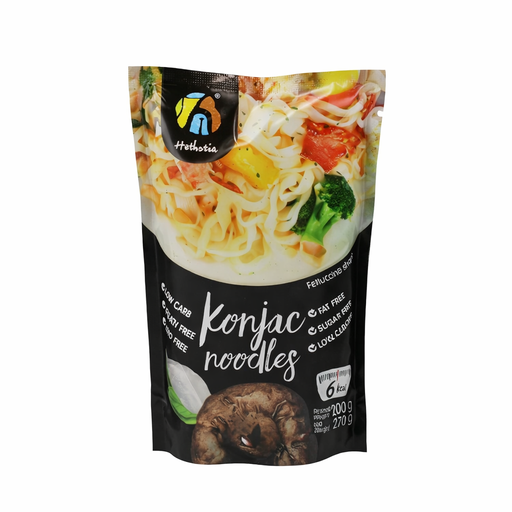
Why it suits this profile: The wide fettuccine shape is designed for pasta dishes with tomato sauce, pesto, vegetables or a creamy sauce.
The product page lists the nutritional values, ingredients and preparation steps separately. This makes it easier to compare the low-carb claim with the actual figures.
6 kcal and 1.3 g of carbohydrates per 100 g according to the product information; vegan and gluten-free according to the stated product specifications.
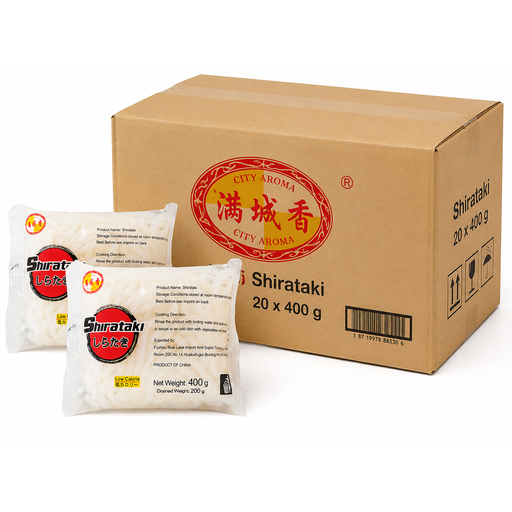
Why it suits this profile: The multipack is ideal for households that often use noodles in soups, stir-fries, salads or meal prep.
The preparation instructions recommend draining, rinsing for 2–3 minutes and optionally boiling briefly. This means the packaging smell does not have to be ignored while eating.
Udon-style noodles, 400 g per bag and 20 bags per pack; 9 kcal and 2 g of carbohydrates per 100 g according to the product information.
We’ve put together a complete, up-to-date list of products that fully meet these strict selection criteria and the applicable European safety regulations.
That depends on the specific product. Many varieties are low in calories and relatively low in carbohydrates, but additions such as oats, starch or rice flour can increase the values. So always check the nutritional table and ingredients list. If you follow a strict keto diet, you should also include the sauce and any toppings in your calculations.
Drain the liquid from the pack and rinse the noodles under cold running water for 2 to 3 minutes. Briefly boiling or dry-heating them in a pan can improve the texture. Then add a well-seasoned sauce or stock, as the noodles themselves usually have a neutral flavour.
Follow the label for the product you have chosen. Some varieties must be refrigerated after opening and consumed within two days. Other products recommend immediate consumption. Do not store an opened pack based on a general rule; instead, check the instructions and best-before information on the packaging.
