
Vandaag of morgen in huis

Kwaliteit gegarandeerd

Welkomstaanbiedingen ontgrendelen: GRATIS bezorging | Tot 80% korting | Gratis 30 dagen JoyPlus-proefperiode
Download de app
If you're looking for a way to enjoy your favorite pasta dishes with fewer carbs and calories, you've likely heard of konjac noodles. These noodles, also known as shirataki noodles, are often presented as the ideal pasta substitute for those looking to lose weight or follow a keto diet. But not all konjac noodles are created equal, and the wrong choice can lead to a disappointing meal.
Before you fill your shopping cart, it's important to know a few common pitfalls. This will prevent you from wasting money on a product that doesn't meet your expectations.
To navigate these pitfalls, there are a few specifications you should always check. This will help you choose a product that fits your goals and taste.
The foundation of true, traditional shirataki noodles is very simple. A pure version typically contains only:
Products with these ingredients are almost always gluten-free noodles and contain the fewest calories and carbs, making them ideal as keto noodles.
You will also find varieties with added ingredients like oat fiber or soy flour. According to the manufacturers of these products, this is done to improve the texture and make it more similar to traditional pasta. This can be a good choice if you find the texture of pure konjac less appealing, but always check the nutritional values. The carbohydrate count may be slightly higher.
Konjac noodles are available in all sorts of shapes, just like regular pasta. The shape affects the mouthfeel and how well the sauce is absorbed.
Think about the dishes you want to make. A thicker noodle can provide a more satisfying "bite," while a thinner variety will absorb the flavors of a broth more quickly.
The key to delicious konjac noodles lies in the preparation. Skipping these steps is the main reason for a disappointing experience.
Now your noodles are ready to be used in any dish.
Below are a few choices that suit different wants and needs, based on their product specifications.
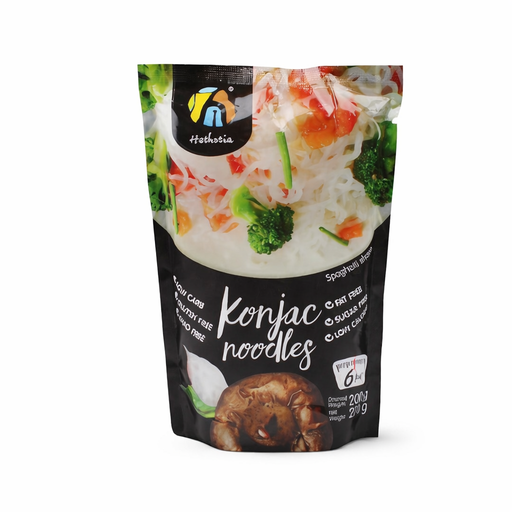
Why This Fits Their Persona: The familiar spaghetti shape makes this an approachable choice for someone replacing traditional pasta for the first time. It's a direct swap for dishes like bolognese or aglio e olio.
The product information highlights a "pleasant, firm texture" and provides clear preparation instructions, which alleviates the fear of a rubbery experience.
With only 6 kcal and 1.3g of carbs per 100g, this is one of the lowest-calorie options available. The ingredients are pure: water, konjac flour, and an acidity regulator.
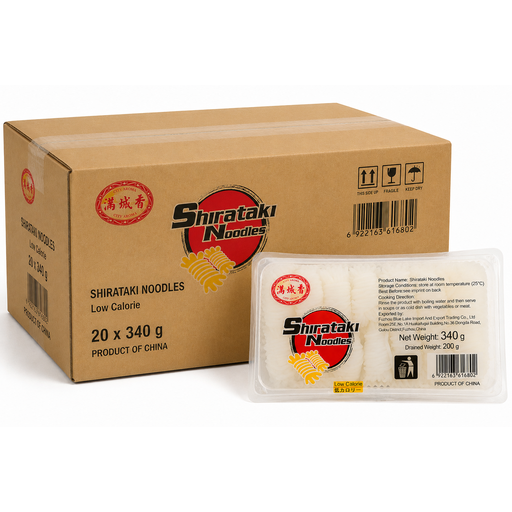
Why This Fits Their Persona: Someone who regularly eats konjac noodles as part of a keto lifestyle benefits from a pure, reliable option. This bulk pack is practical and cost-effective for the regular user.
The ingredient list is as short as it gets: water and konjac powder. This guarantees you're getting a pure product without hidden starches or carbs.
Very low in carbohydrates (2g per 100g) and calories (11 kcal). The bulk pack of 20 offers excellent value for money for those looking to stock their pantry.
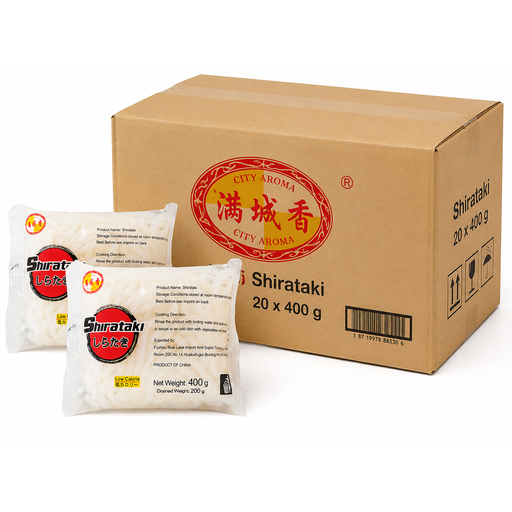
Why This Fits Their Persona: For stir-fries, ramen, or a Thai curry, you need a sturdy noodle that won't get lost in the sauce. The thick, round shape of udon is perfect for this and provides a satisfying mouthfeel.
The product description states that the noodles can "fully absorb the flavors of sauces and other ingredients," directly addressing the concern about konjac's neutral taste.
The sturdy udon shape holds up well in soups and stir-fry dishes. At 9 kcal per 100g, it's an extremely light base for a flavorful meal.
We have compiled a complete, up-to-date list of products that meet these selection criteria and current regulations.
How do I remove the smell from konjac noodles? The most effective method is to rinse the noodles thoroughly in a colander under cold running water for 2 to 3 minutes after draining. For an even more neutral result, you can then boil them for 1 minute in water with a pinch of salt or a splash of vinegar, and then drain again.
How do I prevent shirataki noodles from being rubbery? The texture improves significantly by removing excess moisture. After rinsing and optionally boiling the noodles, pan-fry them in a hot, dry skillet. Stir them for a few minutes until they no longer "sizzle." This process gives them a much firmer and more pleasant bite, similar to al dente pasta.
Are konjac noodles a good choice for weight loss? Due to their extremely low calorie and carbohydrate content, konjac noodles can be a practical tool for weight management. They provide volume and a feeling of fullness in a meal without adding much energy. Think of it as a smart low-calorie pasta substitute that helps you meet your calorie goals, not as a miracle cure. A balanced diet and lifestyle remain the foundation.
