
当日/次日达

品质保障

开启新人专享福利: 全场免邮 | 低至 2 折 | 免费试用 30 天 JoyPlus 会员
下载 Joybuy
At first glance, glass noodles seem simple: thin, translucent strands that just need soaking or boiling. But Asian noodles vary greatly in their base ingredient, texture, nutritional value and preparation method. Pick the wrong type and they can turn soggy in a stir-fry, fail to absorb enough flavour in soup, or be awkward to use in spring rolls.
So don’t just rely on terms like “authentic”, “light” or “premium”. Instead, pay close attention to the label, the cooking instructions and the pack size.
Vermicelli is a catch-all term for thin noodles. The base can be mung bean, potato starch, sweet potato, wheat starch or konjac. That means two packets with the same name can cook very differently.
Always compare nutritional values on the same basis – usually per 100 grams. For dried noodles, this refers to the uncooked product. Fresh or ready-to-eat noodles contain a lot of water, so they can show a lower energy value per 100 grams.
For example, Haidilao Fresh Vermicelli Noodles lists 84 kcal per 100 grams, while Sunlee Long Kou Vermicelli 500g lists 340 kcal per 100 grams. This difference is partly due to water content and product form. It doesn’t automatically mean one product is a better fit for your diet per serving.
Cooking thin glass noodles for too long makes them soft and sticky. Soaking them for too short a time leaves a hard core. So check whether a product needs to be soaked first, can be cooked directly, or just needs rinsing and heating.
What’s more, the preparation can vary depending on the dish. For a stir-fry, a brief pre-cook is usually better than boiling the noodles until fully done in water.
Start with the ingredients list. For example:
If you’re looking for gluten-free noodles, don’t just look for “glass noodles” or “vermicelli”. Check the allergen declaration and the packaging. A product with wheat starch is not suitable for a gluten-free diet, even if it’s translucent.
Thin glass noodles are practical for spring rolls, salads and light soups. Thicker sweet potato noodles generally stay firmer in a hotpot or stir-fry. For Korean japchae, elastic sweet potato noodles are the norm; for Thai or Vietnamese dishes, thinner vermicelli is more common.
The product description may give clues such as “fine”, “straight” or “sweet potato vermicelli”. Also look at the image and the net weight. A 1,000-gram bag is handy if you cook regularly, but less practical if you only use noodles occasionally.
Dried noodles generally keep for a long time if stored in a cool, dry place away from direct sunlight. Once opened, an airtight seal is important to keep out moisture and contaminants.
Note these differences:
Always follow the current instructions on the packaging. These can differ from general recipe advice.
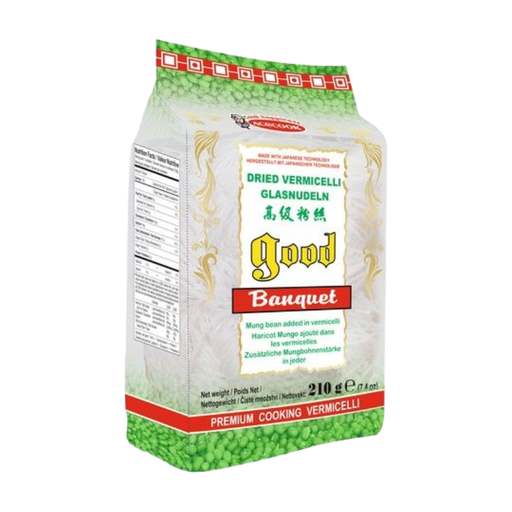
Why it fits this profile: The 210-gram pack is a manageable size for anyone wanting to try different Asian dishes without buying in bulk straight away.
The ingredients and nutritional values are clearly stated. Do check the composition, though: the product contains potato, tapioca, pea and mung bean starch.
210 grams, 352 kcal and 88 grams of carbohydrates per 100 grams according to the product information; the packaging does not list any of the 14 major EU allergens.
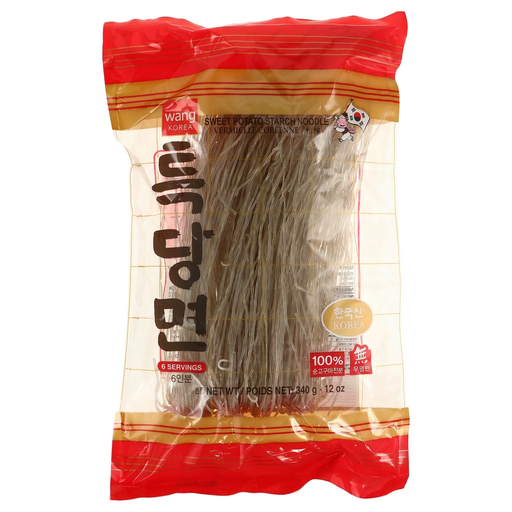
Why it fits this profile: The composition of 99.9% sweet potato starch is ideal for anyone wanting a firm texture for japchae, stir-fries and hotpot.
The product information clearly states the base ingredient and preparation method. Allow extra prep time: around 20 minutes of soaking and 6–7 minutes of boiling.
340 grams, 0 grams of fat and 0 grams of salt per 100 grams according to the product specifications; the listing does not indicate any of the 14 major EU allergens.
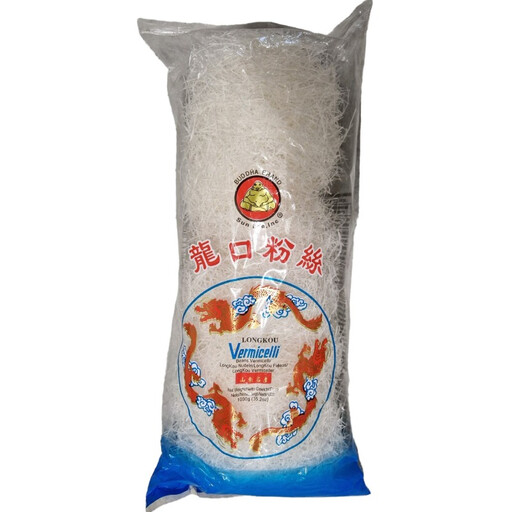
Why it fits this profile: The large pack is ideal for households that cook noodles often for hotpot, salads, soup or multiple stir-fry meals.
The product is clearly described as Longkou vermicelli made from mung bean starch. If you have allergies, also check the warning about possible traces of soya and wheat.
1,000 grams, 0 grams of fat and 0 grams of salt per 100 grams according to the product information; suitable for multiple cooking methods.
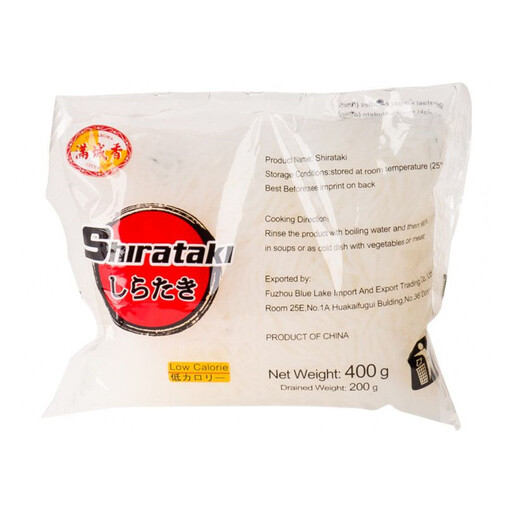
Why it fits this profile: The fine konjac noodles are ready after rinsing and heating, according to the product information, making them ideal for quick meals.
The preparation method is simple, but rinsing is still necessary. The neutral flavour calls for a well-seasoned broth, sauce or stir-fry base.
The product listing states 7 kcal, 1.7 grams of carbohydrates and 1.6 grams of fibre per 100 grams; ingredients are water, konjac flour and calcium hydroxide.
We’ve put together a full, up-to-date list of products that fully meet these strict selection criteria and comply with current European safety regulations.
That depends on the ingredients. Mung bean vermicelli, many sweet potato noodles and shirataki noodles are listed without wheat in the product information. However, Jing Xian Fang Glass Noodles contains wheat starch. If you’re following a gluten-free diet, always check the allergen information and the current packaging.
Soak or cook them according to the instructions and use a timer. Rinse the noodles briefly with cold water after cooking if you’re using them in a salad or stir-fry. Add them to a stir-fry sauce only at the last moment, so they don’t cook for longer than necessary.
Dried glass noodles can generally be stored in a cool, dry place until the date on the packaging. Seal an opened bag tightly. Fresh and ready-to-eat varieties need more care: store them according to the label and use them promptly after opening.
