
Vandaag of morgen in huis

Kwaliteit gegarandeerd

Welkomstaanbiedingen ontgrendelen: GRATIS bezorging | Tot 80% korting | Gratis 30 dagen JoyPlus-proefperiode
Download de app
Konjac noodles are popular among people who want to eat fewer calories or carbohydrates, but not every variety works with every dish or diet. The choice goes beyond just the number on the front of the packet. Shape, ingredients, salt content and preparation method all help determine whether your purchase is practical.
In this guide, we compare different types, including shirataki noodles, konjac spaghetti, konjac udon, konjac fettuccine, konjac ramen and broad shirataki noodles.
A very low energy content doesn’t tell you everything about the meal. A sachet of noodles may be low in calories, while a sauce included with it can add relatively high levels of salt or other nutrients. For example, Nakaki 0kcal Konjac & Soy Ramen states 0 kcal per pack, but also 2.0 grams of salt per 180 grams. Always check the full nutritional information table, not just the front of the pack.
Pure konjac noodles are often made from water, konjac flour and a firming agent. Varieties containing oats, soya, sweet potato starch or other ingredients have a different composition. The Hethstia varieties state in the product information that they contain oats and list gluten as an allergen. These products are therefore not automatically suitable for anyone who strictly avoids gluten.
Thin shirataki noodles absorb broth and sauce quickly. Broad noodles have a firmer bite and work better in stir-fries or with sauces that cling to the surface. Konjac udon is thicker and suitable for soup, while konjac fettuccine and spaghetti are logical shapes for pasta dishes.
Compare products on the same basis: per 100 grams. Values vary across the range. For instance, City Aroma Shirataki Fine states 7 kcal and 1.7 grams of carbohydrates per 100 grams. Fishwell Shirataki Knots states 16 kcal and 4 grams of carbohydrates per 100 grams. Hethstia Konjac Noodle Spaghetti states 6 kcal and 1.3 grams of carbohydrates per 100 grams.
Also pay attention to differences between net weight and drained weight. Packets often contain water, so the amount of noodles after draining may feel different from what you expect.
For vegan noodles and gluten-free noodles, the ingredients list and allergen declaration are key. A product containing only water, konjac powder and calcium hydroxide has a different composition from a variety with oats, soya or milk powder.
If you follow a keto or low-carb diet, it’s a good idea to calculate the carbohydrate content per serving. The term “keto noodles” is no guarantee that the whole dish fits within your personal nutritional goals. Sauce, oil, meat substitute and toppings all count.
Many wet shirataki noodles have a slight packaging odour. So rinse them thoroughly. Then follow the instructions on the label:
Fishwell Shirataki Knots recommends boiling for 3 to 5 minutes and then rinsing with cold water. City Aroma varieties can be rinsed and heated according to the product information; some packets additionally mention a short boil. Hethstia products must be refrigerated after opening and used within two days. Always check the packet of the variety you choose.
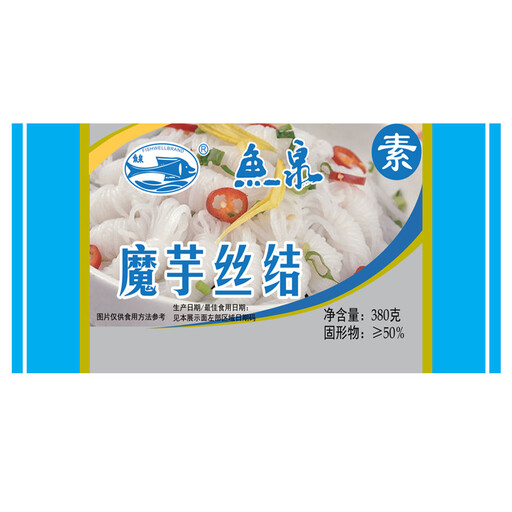
Why this fits the profile: A straightforward 380g pack with a short ingredients list. The knot shape works well in soup, hotpot and cold dishes.
The product information states 16 kcal, 0 grams of fat and 4 grams of carbohydrates per 100 grams. This allows you to compare the nutritional value directly.
380 grams per pack; vegan according to the product description; prepare by boiling for 3–5 minutes.
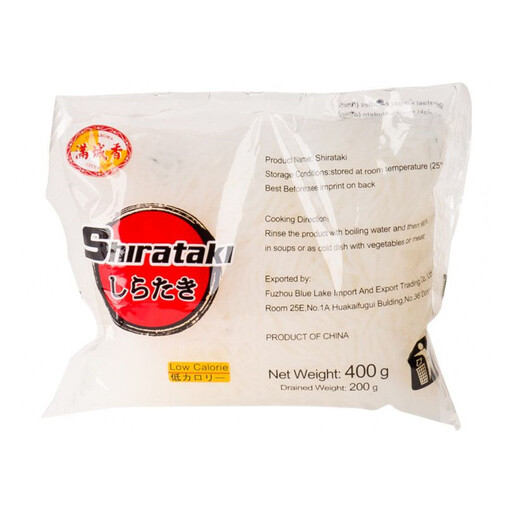
Why this fits the profile: The fine shape is practical for Japanese soups, stir-fries, salads and light pasta substitutes.
The pack states nutritional values, ingredients and preparation instructions. According to the description, the product is ready to use after rinsing and heating.
7 kcal and 1.7 grams of carbohydrates per 100 grams; ingredients based on water, konjac flour and calcium hydroxide.
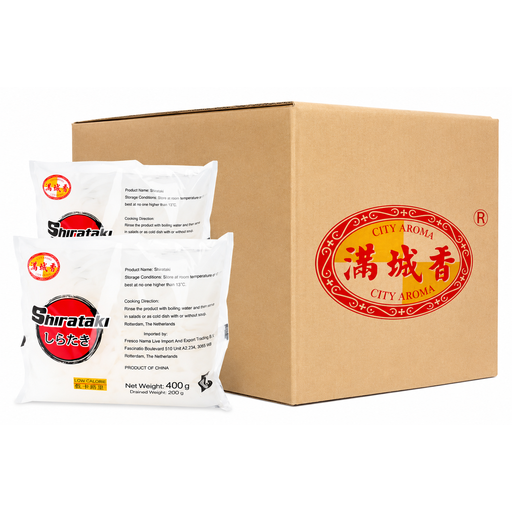
Why this fits the profile: The broad shirataki noodles are designed for larger households, store cupboards and dishes with hearty sauces.
The shape is clearly stated as broad. This means you don’t have to guess whether you’ll receive thin noodles or a fettuccine-like texture.
20 packs of 400 grams; according to the product information, 11 kcal and 2 grams of carbohydrates per 100 grams.
We’ve put together a full, up-to-date list of products that fully meet these strict selection criteria and comply with current European safety regulations.
According to the product information, pure varieties are often made without wheat and sometimes contain none of the fourteen main EU allergens. Nevertheless, always check the current label. Products containing oats may contain gluten according to the declaration and are therefore not automatically gluten-free.
Drain the liquid and rinse the noodles thoroughly with cold water. Then heat them briefly in boiling water or a pan, depending on the instructions. Drain them well before adding sauce. This helps preserve the flavour of your dish.
This varies by product. Some varieties must be refrigerated after opening and used within two days. Other packs mainly indicate that the product should be consumed immediately after opening. Always check the storage conditions on the pack and do not use any product where the packaging is damaged.
