
当日/次日达

品质保障

开启新人专享福利: 全场免邮 | 低至 2 折 | 免费试用 30 天 JoyPlus 会员
下载 Joybuy
If you consciously monitor calories, carbohydrates or fat, you will soon come across shirataki noodles. These Japanese noodles, made from konjac, are often marketed as low-carb noodles, keto noodles or low-calorie noodles. However, not all products are the same. For example, a low nutritional value says little about the texture, salt content or amount of sauce in an instant pack.
As a Joybuy Product Recommendation Officer, I focus mainly on verifiable information on the label: ingredients, nutritional values, allergens, preparation method and pack size. This helps you avoid choosing a product simply because its packaging looks appealing.
A pack may state 0 grams of fat per 100 grams, but the sauce, oil or toppings can significantly change the nutritional value of the finished meal. This is particularly relevant to instant noodles with flavour sachets or sauces. So check whether the nutritional information applies to the noodles alone or to noodles plus sauce.
According to the supplied product information, shirataki and konjac udon often contain around 1.5 to 2 grams of carbohydrates per 100 grams. Buckwheat noodles are considerably higher: the YunShanBan variant states 70.8 grams of carbohydrates per 100 grams. That does not make buckwheat noodles unsuitable, but they are a different choice for anyone following a strict low-carb diet.
Also pay attention to the difference between dry and wet products. A 400-gram bag of shirataki contains a lot of water and cannot be directly compared with a dry 60-gram pack.
Konjac noodles are stored in liquid. A slight packaging odour may be present after opening. Draining thoroughly and rinsing for 2 to 3 minutes helps reduce the smell, according to the product instructions. If you put the noodles straight from the pack into the pan, you may therefore be disappointed.
The texture is also more elastic than that of wheat noodles. Fine shirataki noodles work well in stir-fries and salads, while shirataki udon has a wider, firmer shape that is better suited to soup or a bowl dish.
According to the label, the simple City Aroma shirataki noodles consist of water and konjac powder. Other variants may contain ingredients such as calcium hydroxide as an acidity regulator, or starch. Always check the current packaging, particularly if you have an allergy or follow a specific diet.
If you are looking for gluten-free noodles, pay extra attention to wheat. The YunShanBan buckwheat noodles contain 40% buckwheat flour as well as wheat flour, so they are not suitable for anyone avoiding gluten completely. Buckwheat itself is not wheat, but the composition of the complete product determines the allergen information.
Compare at least these values:
Use these figures to compare products, not as a promise of a particular dietary result.
Most wet shirataki noodles are ready to use after draining, rinsing and briefly heating. “Ready to use” does not automatically mean that you should eat them without washing them. Follow the instructions on the packaging. Dry noodles, such as buckwheat noodles and some instant noodles, must be cooked first.
Also check:
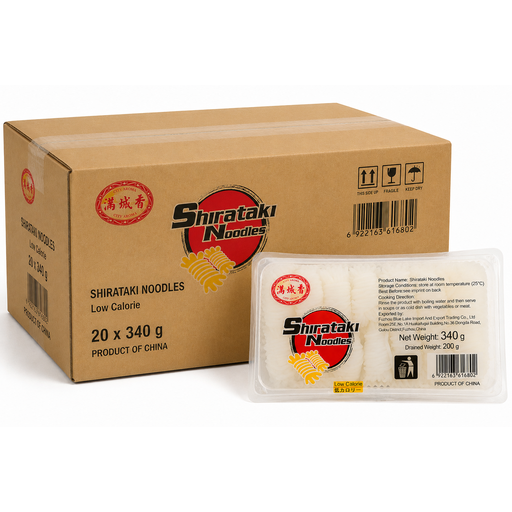
Why it suits this profile: A multipack containing 20 packs of 340 grams is practical for anyone who uses shirataki noodles regularly and does not want to order a single bag every time.
The ingredients list is short: water and konjac powder. The nutritional information states 11 kcal and 2 grams of carbohydrates per 100 grams.
A large stock-up pack, neutral flavour and suitable for soup, stir-fries or as a pasta alternative.
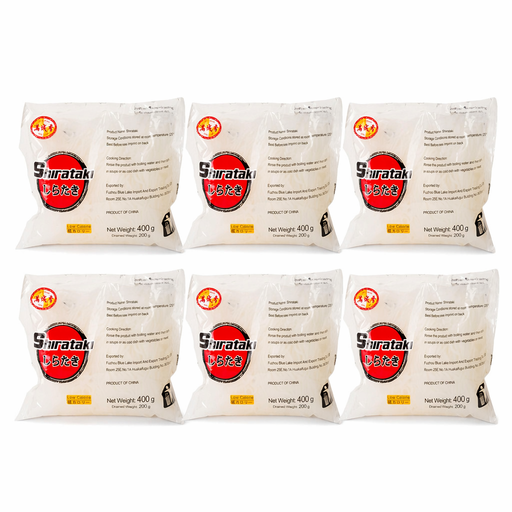
Why it suits this profile: The fine shape and neutral flavour work well in dishes where sauce or stock is the main focus, without requiring a long cooking time.
The product information clearly states 7 kcal, 1.7 grams of carbohydrates and 1.6 grams of fibre per 100 grams. The pack is ready to use after rinsing and heating.
Fine texture, 400 grams per pack and, according to the product information, none of the 14 major EU allergens.
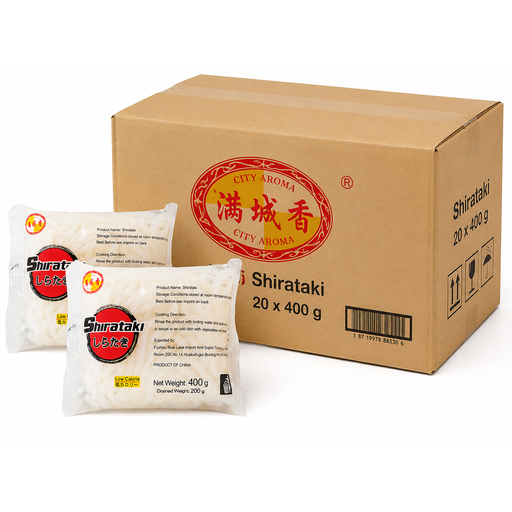
Why it suits this profile: The wider udon shape works well in soups, stir-fries and meals where you want more bite than fine noodles provide.
The instructions advise draining and rinsing for 2 to 3 minutes; brief cooking can improve the texture. This makes preparation more predictable.
400 grams per bag, 9 kcal per 100 grams and a composition of water and konjac powder.
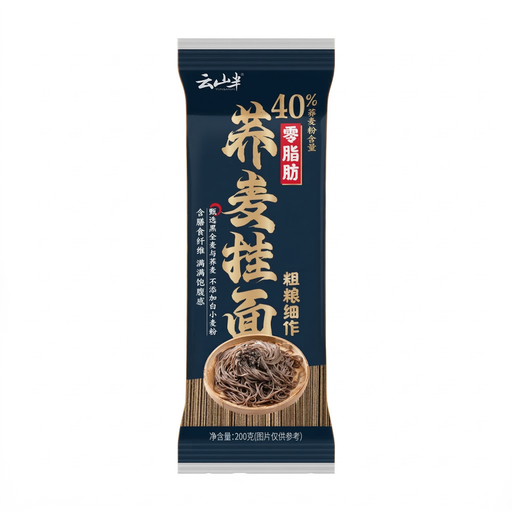
Why it suits this profile: This option is aimed at anyone looking for a firmer, more grain-based noodle and who is not focusing exclusively on a very low carbohydrate content.
The product information states 40% buckwheat flour, but also wheat flour. This makes it immediately clear that these are not gluten-free noodles and that the carbohydrate content is higher.
0 grams of fat per 100 grams, 11.5 grams of protein and a cooking time of approximately 3 to 5 minutes.
We have put together a complete, up-to-date list of products that fully meet these strict selection criteria and the applicable European safety regulations.
Shirataki noodles and other konjac noodles consist mainly of water and konjac. They are suitable for consumers looking for a product with few calories and carbohydrates. However, their neutral flavour calls for a flavoursome stock, stir-fry sauce or seasoning.
Shirataki udon and konjac udon have a wider shape and are suitable for soup or a stir-fry. Buckwheat noodles usually contain wheat or other grains and therefore provide more carbohydrates, but have a firmer bite. Instant noodles are particularly convenient when speed matters; always check the nutritional value of the complete meal, including the sauce.
For a vegan or gluten-free diet, the ingredients and allergen information are decisive. A product should not be considered vegan noodles or gluten-free noodles based on its name alone.
Drain the liquid, rinse the noodles thoroughly and briefly heat them according to the packaging. You can then add them to soup, a stir-fry or a salad. With some variants, boiling for 1 to 3 minutes improves the texture.
Store unopened wet packs according to the stated storage conditions and best-before date. Once opened, it is best to use the noodles straight away. Always check the label, particularly if the packaging is damaged or the liquid smells unusual.
No. Check the nutritional table and allergen list for each product. Some shirataki variants state 0 grams of sugar and none of the 14 major EU allergens, while other products contain additional ingredients or sauces. The terms sugar-free noodles and gluten-free noodles must therefore be confirmed by the product information.
