
Vandaag of morgen in huis

Kwaliteit gegarandeerd

Welkomstaanbiedingen ontgrendelen: GRATIS bezorging | Tot 80% korting | Gratis 30 dagen JoyPlus-proefperiode
Download de app
Konjac noodles, also known as shirataki noodles, are popular with people who want to eat fewer calories or carbohydrates. They are also quick to prepare and work well in many Asian dishes. However, not every pack is the same. The shape, ingredients list, nutritional values and preparation method determine whether a product suits your everyday needs.
A prominent figure on the front does not always tell you everything. Check whether the nutritional information is given per 100 grams, per portion or per entire pack. Sauces, seasoning sachets and toppings can also significantly change the nutritional value of the finished dish. For example, Nakaki 0kcal Konjac & Soy Ramen states 0 kcal per pack, but it does contain a soup base with salt and soya.
Konjac noodles are packed in liquid. This means there may be a slight packaging smell when you open them. Thorough draining and rinsing is therefore important. If you add the noodles straight to a sauce, you may end up with a watery flavour and a less pleasant texture.
The texture is more elastic than that of wheat noodles. This is normal for shirataki, but not everyone enjoys it. Fine shirataki noodles feel different from wide shirataki noodles or konjac udon.
Pure konjac noodles often consist of water and konjac flour, but combined varieties may contain other ingredients. For example, Hethsita Konjac Noodle Oat Fettuccine lists oats and allergen information referring to gluten. Always check the current packaging, particularly for sauces, seasoning mixes and noodles containing starch.
Start by checking the ingredients list. According to the product information, City Aroma Shirataki Fine Noodles contain water, konjac flour and calcium hydroxide. Other products may contain sweet potato starch, corn starch, tapioca starch or soya.
For a gluten-free diet, the allergen information is more important than the product name. Anyone following a vegan diet should also check combined flavourings and soup bases. Comparing products is generally easier when they contain only two or three ingredients.
At a minimum, compare:
City Aroma Shirataki Fine Noodles list 7 kcal and 1.7 grams of carbohydrates per 100 grams. City Aroma Shirataki Udon lists 9.5 kcal and 1.5 grams of carbohydrates per 100 grams. The values therefore vary between varieties. For a meal with sauce or stock, you need to include the nutritional value of all the components.
Also look out for inconsistent or unusual information. In some product listings, nutritional values per 100 grams may differ from the information on the packaging. If in doubt, use the label on the packaging you receive as your guide.
The shape determines how you use the noodles:
Most ready-to-eat varieties need to be drained, rinsed for two to three minutes and then heated. Some products can also be boiled for a further two to three minutes or briefly fried in a pan. Always check the preparation instructions; “ready to use” does not mean the same thing for every product.
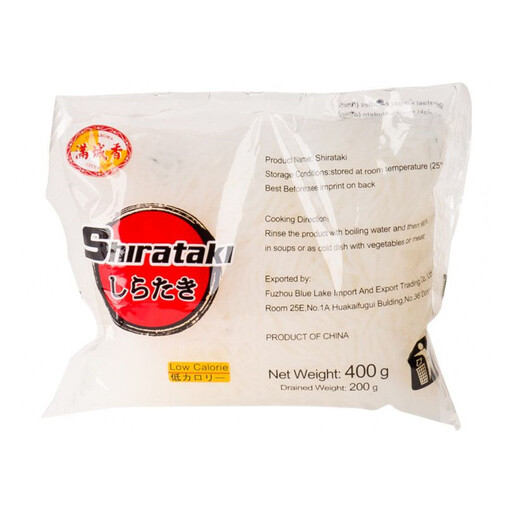
Why it suits this profile: A single pack is a practical way to try fine shirataki noodles without immediately buying a multipack.
The product information clearly states the preparation step: rinse before use. The ingredients and allergens are also listed.
7 kcal and 1.7 g of carbohydrates per 100 g according to the product listing; neutral flavour and ready after rinsing and heating.
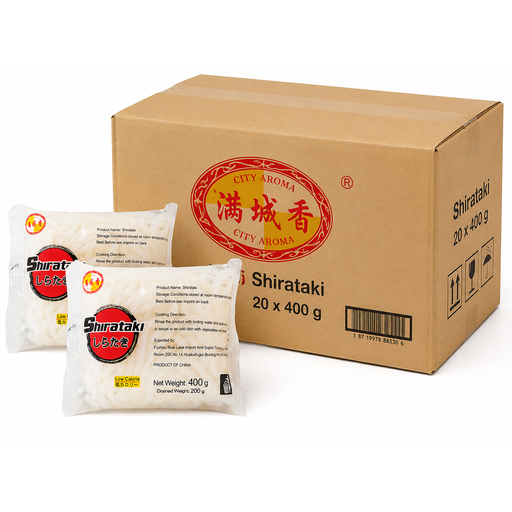
Why it suits this profile: This multipack is intended for households that regularly prepare udon-style dishes, soups or stir-fries.
The pack size is clear from the outset: 20 packs of 400 g. This allows you to match your stock to your actual usage.
9 kcal and 2 g of carbohydrates per 100 g according to the product information; rinse briefly and optionally boil for two to three minutes.
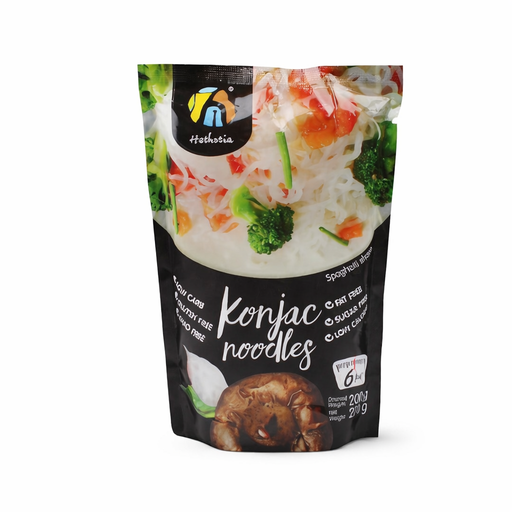
Why it suits this profile: The spaghetti shape is ideal if you want to use konjac as a pasta alternative with tomato sauce, vegetables or a stir-fry sauce.
The nutritional values, ingredients and preparation steps are specified. However, check the label again when the product arrives.
6 kcal and 1.3 g of carbohydrates per 100 g according to the product description; suitable for pasta-style dishes and quick preparation.
We have put together a complete, up-to-date list of products that fully meet these strict selection criteria and the applicable European safety regulations.
Store unopened packs according to the label, usually in a cool, dry place or at room temperature. Once opened, follow the instructions on the packaging. Some varieties must be refrigerated and used within two days.
According to the product information, many pure konjac varieties contain few carbohydrates per 100 grams. However, check the full ingredients list and nutritional information. Sauces, flavour sachets and added starches can increase the total carbohydrate content. Always use the label of the specific product you buy as your guide.
The best-before date is shown on the packaging. Store unopened products according to the stated storage conditions. Once opened, the instructions vary by brand and variety. City Aroma, for example, states that you should reseal the pack properly and not use the product if the packaging is damaged.
Konjac noodles are primarily noodles as a pasta alternative and generally provide little protein or energy. Make your meal more complete by adding vegetables, tofu, egg, fish or another suitable source of protein, for example. If you follow a specific diet, always compare the latest nutritional information and allergen details on the label.
