
Vandaag of morgen in huis

Kwaliteit gegarandeerd

Welkomstaanbiedingen ontgrendelen: GRATIS bezorging | Tot 80% korting | Gratis 30 dagen JoyPlus-proefperiode
Download de app
Udon noodles are thick noodles with a firm, chewy bite. They work well in Japanese broth, stir-fries, hotpot and cold noodle dishes. However, packs vary considerably. Some varieties are dried and need several minutes of boiling, while others are pre-cooked or even come with sauce in a meal bowl.
If you only look for words like “authentic”, “thick” or “quick to prepare”, you could end up buying a product that doesn’t suit the dish you have in mind. So pay close attention to the shape, cooking time, portion size and ingredients list.
Instant udon noodles can be ready in one to three minutes, but a dried variety often takes longer. For example, the Jin Sha He Udon Dried Noodles 1kg states a cooking time of 8 to 10 minutes. The Hokkaido variety, at 200 grams per portion, gives 3 to 5 minutes.
So check whether you need to boil, soak or simply reheat the noodles. A microwave product is handy for a quick lunch, but less suitable when you want to control the broth and toppings yourself.
A 1 kg bag may look appealing for a family or heavy user. With dried noodles, though, you need to consider the portion size and storage after opening. Individually wrapped portions are more practical if you don’t eat udon often or want to limit food waste.
For restaurants, catering or large households, a box of 30 bags of 200 grams can actually be more convenient. So compare the price per 100 grams as well as how the portions are packed.
The texture is influenced by wheat flour, wheat gluten, starch, thickeners and acidity regulators. A short ingredients list doesn’t automatically mean the noodles suit every dish. Some pre-cooked varieties, for instance, contain cassava flour, modified starch or alginate to maintain structure during storage and reheating.
If you have allergies, always read the label on the pack. Many udon noodles contain wheat and gluten. Some products also mention possible traces of soya, egg, peanuts or sesame.
For udon in soup, thick, firm noodles are practical because they hold their shape in hot broth. For udon in stir-fries, smooth noodles are handy when you want the sauce to cling well without them breaking. For udon in hotpot, a short cooking time is nice, because the noodles often go into the pot at the table.
The product description may use terms like “springy”, “smooth” or “chewy”. See these words as an indication of the intended texture, and also check the ingredients and preparation method.
A portion of 200 grams is often described as suitable for one to two people, depending on the toppings. A pack of 800 grams or 1 kg is better for multiple meals. Individual bags help with portioning and storage.
Also pay attention to the storage instructions. Many varieties need to be kept cool, dry and out of direct sunlight. An opened pack should be sealed properly. Pre-cooked products may have a different shelf life to dried noodles, so follow the date and instructions on the label.
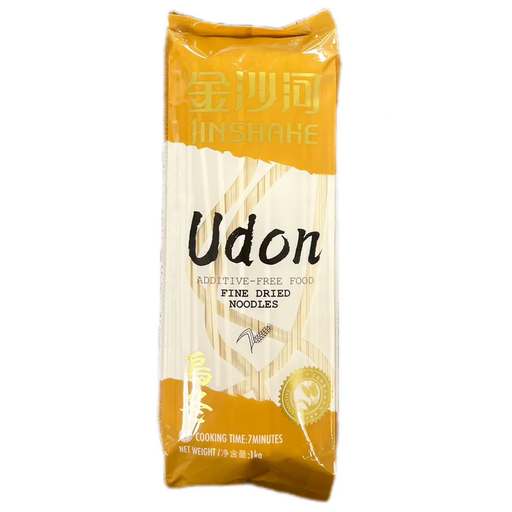
Why this fits the profile: The 1 kg bag is suitable for anyone who regularly uses Asian noodles and wants to build a stock for soup, stir-fry and hotpot.
The product information clearly states a cooking time of 8–10 minutes and a simple ingredients list of wheat flour, water and salt.
1 kg content, thick noodles and suitable for soup, stir-fries and hotpot.
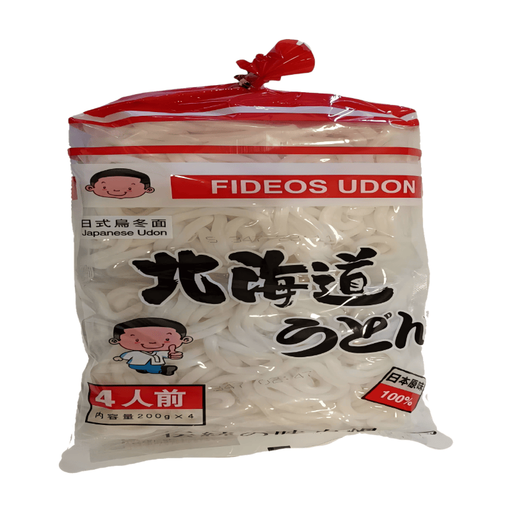
Why this fits the profile: Four separate 200 gram portions give you more control for family meals and different cooking occasions.
The product details mention a 3–5 minute cooking time and advise draining the noodles after boiling.
200 g per bag, 800 g total, with a firm texture for soup, stir-fry and hotpot.
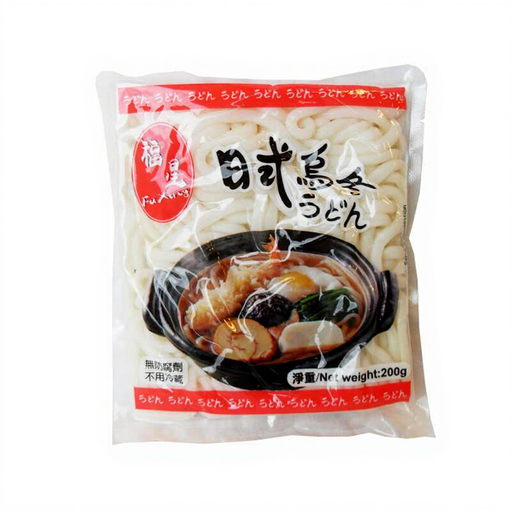
Why this fits the profile: The bulk pack with 30 individual bags is aimed at restaurants, catering and households with high consumption.
The portions are individually packed, so you don’t have to open the whole box at once.
30 portions of 200 g; suitable for soup, stir-fry, hotpot and cold preparations.
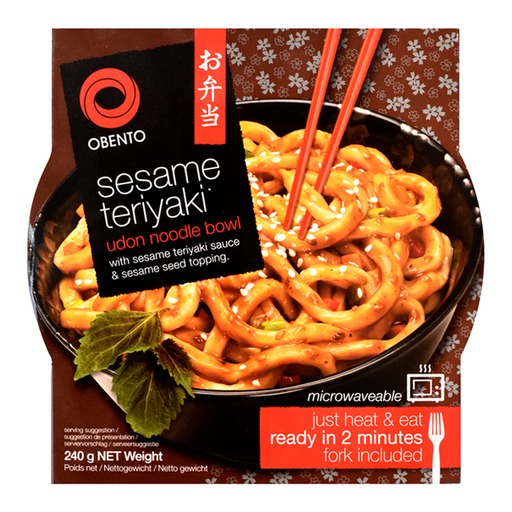
Why this fits the profile: This meal bowl combines noodles, sauce, dried vegetables and sesame for a quick meal with minimal preparation.
The product information describes a ready meal with sauce and toppings, so you don’t need separate seasonings at home.
240 g per bowl and microwave preparation as per the stated instructions. Contains wheat, soya and sesame.
We’ve put together a full, up-to-date list of products that fully meet these strict selection criteria and comply with current European safety regulations.
With varieties that contain an acidity regulator, a slight sour smell or taste may occur, according to the product description. For SUKI Udon, it is recommended to rinse the noodles before cooking.
That depends on the product. Some varieties contain only wheat flour, water and salt according to the ingredients. Other products contain sauce, sesame or seasonings with extra ingredients. Always check the current pack and allergen information. “Suitable for vegetarians and vegans” is only stated on certain product listings.
Dried udon noodles are intended for storage in a cool, dry place and generally have a longer shelf life than fresh or pre-cooked varieties. The exact date is on the pack. After opening, you should follow the instructions and seal the bag properly. A meal bowl or pre-cooked bag may have a shorter shelf life.
Choose a variety that holds its shape during boiling and brief reheating. Dried noodles like Jin Sha He are suitable when you want to make your own broth. For quick preparation, pre-cooked noodles or a meal bowl are a better fit. Pay particular attention to the cooking time, portion size and salt content of the noodles and any sauce.
