
Vandaag of morgen in huis

Kwaliteit gegarandeerd

Welkomstaanbiedingen ontgrendelen: GRATIS bezorging | Tot 80% korting | Gratis 30 dagen JoyPlus-proefperiode
Download de app
Buying a new induction frying pan seems simple—until it warps after a few months, your eggs stick, or the "healthy" coating starts to peel. Many marketing promises prove to be of little value in practice. As a Joybuy Product Recommendation Officer, I'll help you cut through the noise so you can choose a pan that suits your cooking style and won't need replacing in a year.
We'll focus on the three most common pitfalls:
PFOA-free pan, but the quality of the non-stick layer often leaves much to be desired, causing it to lose its effectiveness after a short period of use.To avoid buyer's remorse, it's crucial to look beyond the packaging. Pay attention to the following three specifications that make a real difference in the kitchen.
The material determines how the pan performs, how you should maintain it, and how durable it is.
healthy frying pan. They can handle high temperatures well, but the non-stick function may diminish faster with intensive use than traditional coatings.stainless steel frying pan contains no chemical non-stick coating and is extremely durable. With correct use (proper preheating), you can cook almost anything without it sticking. This type of pan requires a bit more practice but will last a lifetime with proper care.For induction cooking, the base of the pan is paramount. An induction hob works with a magnetic field, so the pan's base must be magnetic and perfectly flat. A thin base will warp quickly due to rapid temperature changes, rendering the pan useless. Pans with a multi-layered base (like triple-ply, where aluminium is sandwiched between layers of stainless steel) offer much better and more even heat distribution.
Think about what you cook most often.
frying pan with a lid, ideal for stews or one-pan meals.Below is a selection of pans that score well on the above criteria, matched to different user profiles.
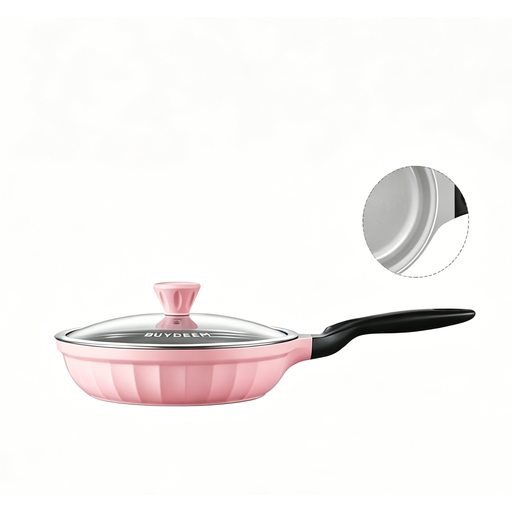
Why This Fits Their Persona: Perfect for families who prioritise cooking without unwanted chemicals. The Swiss ceramic coating is explicitly free of PFAS and PFOA, providing peace of mind when preparing daily meals.
This pan tackles the "unclear healthy coating" pitfall by using a verifiable Swiss ceramic coating, which is renowned for its safety standards.
Guaranteed PFOA/PFAS-free. The cast aluminium construction ensures fast and even heat distribution.
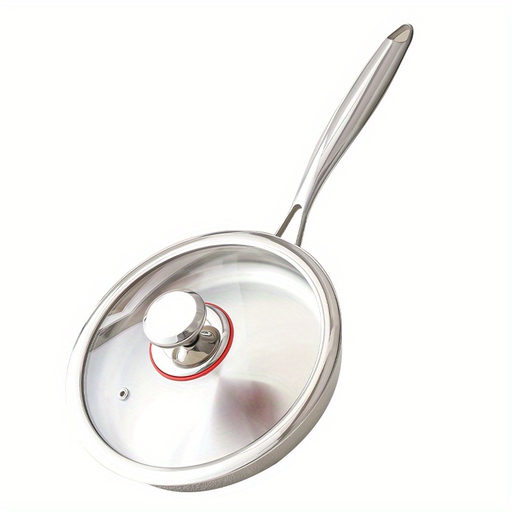
Why This Fits Their Persona: Ideal for those who invest in cookware that will last for years. The robust stainless steel construction is scratch-resistant, free of wearing coatings, and built for heavy use.
It avoids the "poor induction performance" pitfall with a triple-ply base. This construction guarantees superior, even heat distribution and prevents the warping that renders many pans unusable.
Extremely durable thanks to the 3-ply stainless steel construction. Resistant to metal utensils and corrosion.
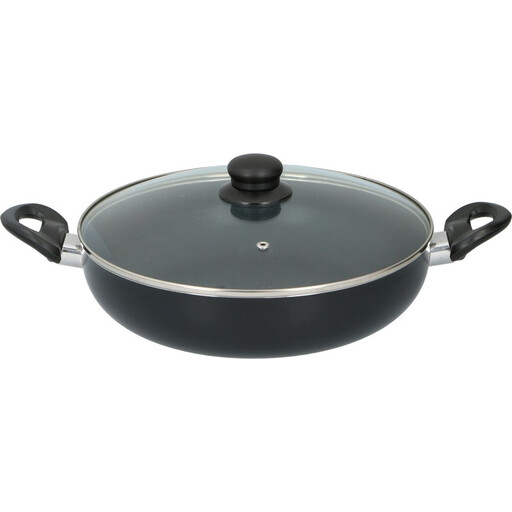
Why This Fits Their Persona: A no-nonsense choice for daily use. The 28 cm size is versatile, the non-stick coating makes cooking and cleaning easy, and the included lid is handy for simmering and preparing sauces.
This is a direct, functional pan without exaggerated claims. The focus is on practical convenience at an accessible price, not on unrealistic promises of a lifelong non-stick coating.
A complete and affordable solution: a `28 cm frying pan` with a non-stick coating and a glass lid, suitable for all heat sources.
A lid is often essential for preparing versatile dishes. We have compiled a complete overview of pans that meet these strict selection criteria.
Look for the induction symbol (a coil-shaped icon) on the packaging or the bottom of the pan. A simple test is to see if a magnet sticks to the base. If it does, the pan is magnetic and suitable for induction. Also, ensure the base is completely flat for optimal contact.
A traditional PTFE coating (often known by the brand name Teflon) typically offers the best non-stick performance but is sensitive to scratches and high temperatures. A ceramic frying pan is harder, can withstand higher temperatures, and is almost always PFOA- and PFAS-free. However, its non-stick properties may diminish slightly over time, and the layer can be more brittle.
The key to success with a stainless steel frying pan is the right technique. First, preheat the pan over medium-high heat. Only then should you add the oil. Once the oil begins to shimmer lightly, the pan is ready to use. By following these steps, you create a temporary, natural non-stick surface. Add ingredients at room temperature to prevent temperature shock.
