
Vandaag of morgen in huis

Kwaliteit gegarandeerd

Welkomstaanbiedingen ontgrendelen: GRATIS bezorging | Tot 80% korting | Gratis 30 dagen JoyPlus-proefperiode
Download de app
Cordial is handy for water, sparkling water, mocktails and desserts. However, fruit syrup, squash and cocktail syrup differ greatly in composition, dilution and use. A colourful label or the term “natural” doesn’t automatically tell you anything about the sugar content or the amount of fruit.
If you’re looking to buy syrup online, it’s worth checking three common pitfalls first:
Compare the nutritional values per 100 ml or 100 g. Regular syrup often lists sugar as one of the first ingredients. With sugar-free cordial, the sugar is usually replaced by sweeteners such as sucralose, acesulfame-K, cyclamate, steviol glycosides or saccharin.
Pay attention to the difference between:
For example, Slimpie Forest Fruit states 0 grams of sugar and 1 kcal per 100 ml. Van de Boom Pear Syrup, according to the product information, contains 85% fruit and no added sugars, but has 8.5 grams of sugars per 100 g. These are different properties, so they’re not direct alternatives.
For a clear fruit taste, the fruit percentage is a useful point of comparison, but the type of fruit also matters. A raspberry syrup might, for instance, use apple or elderberry juice as a base. With blackcurrant, peach and lemon, flavourings may be added alongside juice or concentrate.
So check:
According to the product information, Karvan Cevitam Raspberry contains 75% fruit juice from concentrate, including 12% raspberry. The 600 ml bottle, the manufacturer says, is enough for up to 6 litres of squash at a ratio of 1 part syrup to 9 parts water. This is a verifiable product specification, not a guarantee that everyone will find the same strength of flavour pleasant.
The right bottle depends on how you’ll use it. For a family, a bottle that yields around 30 glasses is practical. For coffee, desserts or cocktails, a smaller, more concentrated bottle might be handier.
Also look out for:
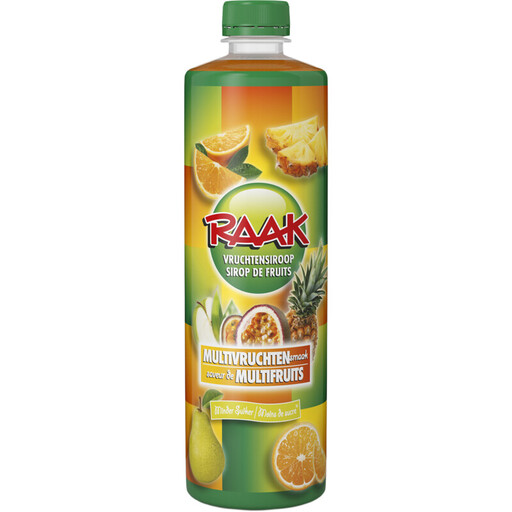
Why this fits the profile: The multi-fruit flavour combines apple, orange, passion fruit, pear and pineapple. According to the product information, one bottle yields around 30 glasses of 200 ml.
The nutritional information states 6.7 grams of sugar per 100 ml, making the choice clearer than relying on a claim on the front of the bottle.
Vegan and gluten-free according to the product information; broad fruit flavour and around 30 servings per bottle.
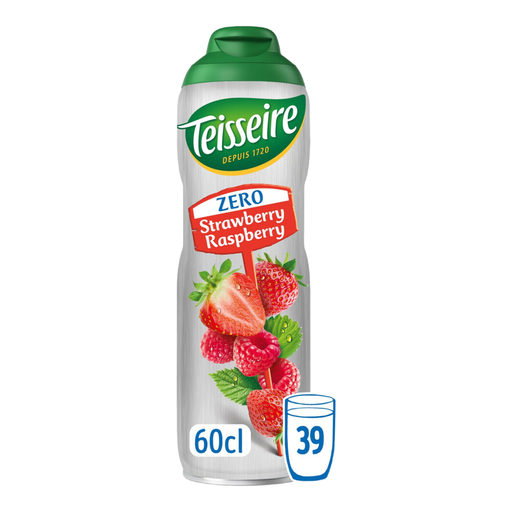
Why this fits the profile: This variant is aimed at those looking for a fruity red berry flavour without sugar in the ingredients list. The syrup can be used for water, cocktails and desserts.
The ingredients list 15.5% fruit juice from concentrate and sweeteners. This shows you that “without sugar” is not the same as a product without sweeteners.
None of the 14 major EU allergens according to the product information; suitable for drinks, cocktails and desserts.
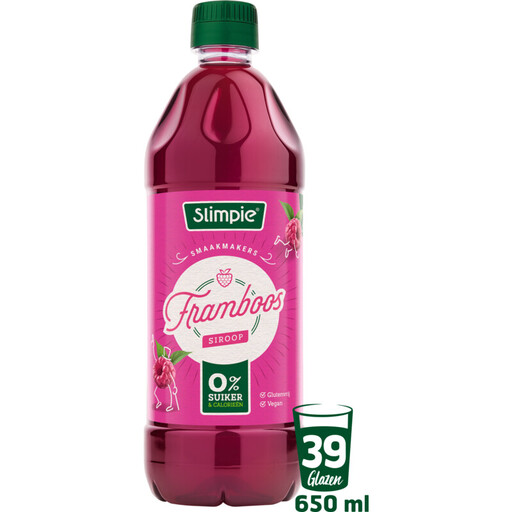
Why this fits the profile: According to the product information, the bottle is good for around 39 glasses at a mixing ratio of 1 part syrup to 11 parts water. That suits frequent home use.
The product information states 0 grams of sugar and 1 kcal per 100 ml, while also clearly listing the sweeteners used.
0 grams of sugar according to the label; vegan and gluten-free according to the product information; around 39 glasses per bottle.
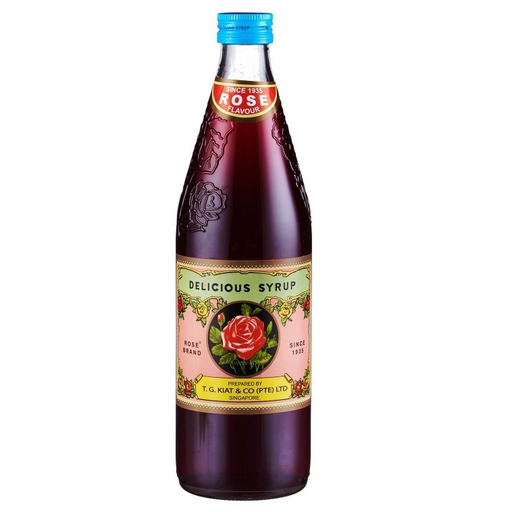
Why this fits the profile: The floral flavour is suitable for water, fizzy drinks, desserts, baking and cocktails. This makes it a practical choice for anyone wanting to do more than just make squash.
The product information states 78 grams of sugar per 100 grams. Anyone looking for a low-sugar syrup can therefore rule this one out straight away.
750 ml volume; according to the product description, it can be used in drinks, cocktails and desserts; none of the 14 major EU allergens listed.
We’ve put together a full, up-to-date list of products that fully meet these strict selection criteria and comply with current European safety regulations.
Start with the ratio on the label, for example 1 part syrup to 9 parts water. Stir or shake well and then taste. Add more water if the drink is too sweet or too strong. For sparkling water, it’s best to add the syrup first and then slowly pour in the water.
This varies by product. Many fruit syrups need to be kept in the fridge after opening and used within the time stated on the packaging. Screw the lid on tightly, don’t use a damaged bottle, and always check the best-before or use-by information on the label.
Not always, but often it is. Check the nutritional information table per 100 ml. A product may contain sweeteners and still provide a small number of calories. Also look at the fruit percentage and the serving size of the prepared drink.
