
Vandaag of morgen in huis

Kwaliteit gegarandeerd

Welkomstaanbiedingen ontgrendelen: GRATIS bezorging | Tot 80% korting | Gratis 30 dagen JoyPlus-proefperiode
Download de app
A bottle of syrup for drinks might seem simple to pick. Yet syrups vary widely in sugar content, dilution ratio, flavour intensity and how you can use them. A cheap bottle could end up being less economical if you need a lot of syrup per glass. What’s more, a syrup that works well with water may not be suitable for bubble tea, desserts or cocktails.
Watch out for these common pitfalls:
Compare the nutritional values per 100 ml of syrup. A classic syrup can contain around 250 to 280 kcal and more than 50 grams of sugar per 100 ml. You’ll see this, for example, in various fruit syrups and tea syrups.
If you want to use less sugar, you can choose a sugar-free syrup for drinks or a low-calorie syrup. But be aware of the difference between “0% sugar”, “0 calories” and a low amount of sugar. Some products still contain a small amount of carbohydrates or sugars according to the label.
Also check whether you prefer to avoid certain sweeteners. The ingredients list on the packaging is the best guide for this. Brand promises about taste or suitability are no substitute for the official product information.
A syrup for water is often mixed at a ratio of 1 part syrup to 9, 11 or 12 parts water. Slimpie Lemon, for example, states a ratio of 1+11 and a yield of around 39 glasses from one 650 ml bottle. Karvan Cevitam Multifruit states 1 part syrup to 9 parts water and up to around 6 litres of cordial.
Use the ratio as a starting point and then adjust the flavour to your taste. For sparkling water, iced tea or cocktails, a smaller amount may be enough. When buying online, don’t just compare the bottle price, but also:
For a simple cordial, fruit, citrus and berry flavours are practical choices. For a syrup for cocktails or syrup for mocktails, flavours like grenadine, passion fruit, peach or rose are versatile. An iced tea syrup with peach or green tea suits cold tea, while a bubble tea syrup with jasmine, black tea, mango or ube is a better match for Asian-inspired drinks.
Also check for allergens and dietary requirements. Several products in this selection do not list any of the 14 major EU allergens. That doesn’t mean every variant is automatically suitable for every situation: always read the current packaging. JENI Jasmine Green Tea Syrup and several Slimpie variants are listed in the product information as suitable for vegans or vegetarians. If in doubt, the label is the right source.
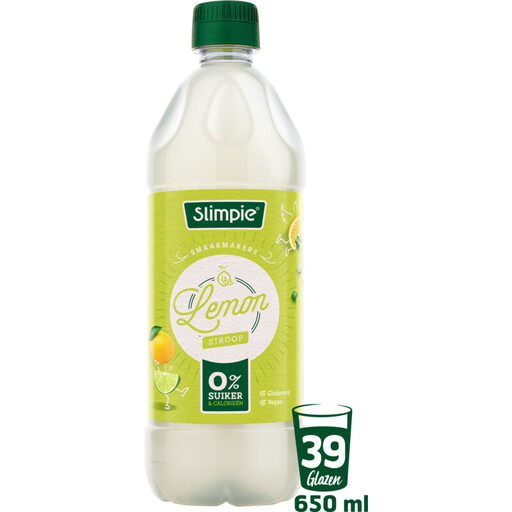
Why this fits the profile: A simple lemon flavour for everyday use, with 0 grams of sugar and 1 kcal per 100 grams according to the product information. The stated ratio of 1+11 can yield up to around 39 glasses.
The mixing ratio and portion yield are clearly stated. Do check the packaging to make sure the current recipe matches.
Lemon flavour, 650 ml volume, vegan according to the product description and suitable for sparkling water.
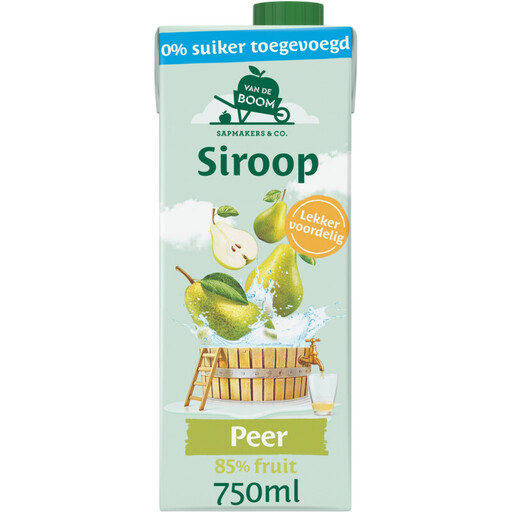
Why this fits the profile: The product information mentions 85% fruit from concentrate, 0% added sugars and around 30 glasses per pack. The syrup does contain naturally occurring sugars.
The fruit percentage and the presence of natural sugars are listed separately. This means you won’t confuse “no added sugar” with sugar-free.
750 ml, 85% fruit from concentrate and a clear portion indication.
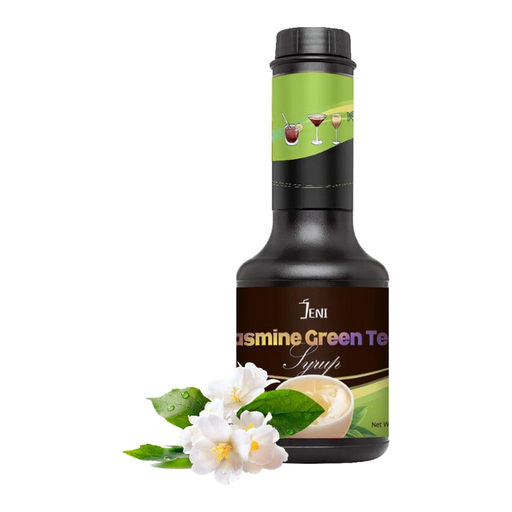
Why this fits the profile: According to the product description, this syrup is intended for bubble tea, milk tea, iced tea, cocktails and desserts. The flavour combines jasmine aroma with green tea.
The applications are clearly described. Bear in mind the nutritional value: the label states 63 grams of sugar per 100 grams.
600 gram volume, suitable for hot and cold drinks and suitable for vegans according to the product information.
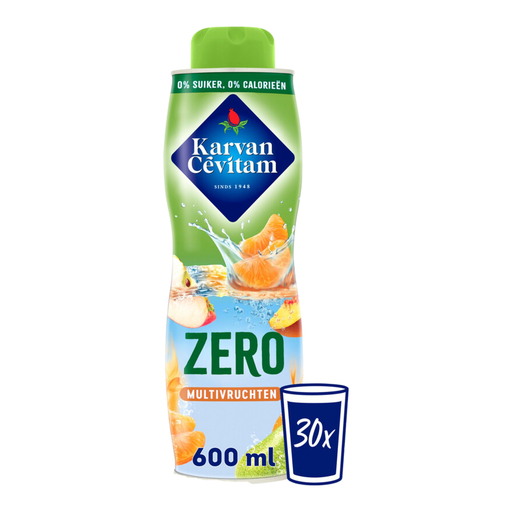
Why this fits the profile: According to the product information, this variant contains 0% sugar and 0 calories per stated nutritional value, with a ratio of 1+9 and a yield of up to around 6 litres.
The portion yield is stated, so you can estimate the cost per litre. The ingredients list shows that sweeteners are used.
Multifruit flavour, up to around 30 glasses according to the product description and suitable for water, sparkling water and mocktails.
We’ve put together a full, up-to-date list of products that fully meet these strict selection criteria and comply with current European safety regulations.
That depends on the product. Many syrups use a ratio of 1 to 9, while other variants recommend 1 to 11 or 1 to 12. Start with the ratio on the label and then add extra syrup if needed. For a 200 ml glass, at a ratio of 1 to 9 you’ll need around 20 ml of syrup.
Most products need to be kept in the fridge after opening. Close the bottle tightly and follow the time frame on the packaging. Don’t automatically keep an opened syrup for months: the shelf life varies from product to product. Also check that the bottle, cap and seal are undamaged when you receive it.
Not every claim means exactly the same thing. Look at the nutritional information table per 100 ml and check the ingredients. A sugar-free syrup for drinks may contain sweeteners, while a syrup with fruit juice can provide natural sugars. So compare the full product information before you buy a syrup online.
