
Vandaag of morgen in huis

Kwaliteit gegarandeerd

Welkomstaanbiedingen ontgrendelen: GRATIS bezorging | Tot 80% korting | Gratis 30 dagen JoyPlus-proefperiode
Download de app
At first glance, comparing a bottle of fruit syrup seems straightforward. However, bold claims such as “fruity”, “sugar-free” or “makes dozens of glasses” may not tell the whole story. The key differences often lie in the amount of fruit, the type of sweetener and the recommended dilution.
If you are buying fruit syrup, fruit cordial or lemonade syrup in the Netherlands, it is therefore worth checking the label first. This helps you avoid paying for a flavour that barely suits the way you use it, or for a bottle that will take too long to finish after opening.
A fruit flavour does not automatically mean that the bottle contains a lot of fruit juice. So compare the fruit percentage in the ingredients list. For example, Karvan Cevitam Blackcurrant Original states that it contains 75% fruit juice from concentrate, while Karvan Cevitam Multifruit states that it contains 0.65% juice from concentrate. Both are lemonade syrups, but they are aimed at different flavour profiles.
The difference can also be significant with strawberry syrup. Teisseire Strawberry Raspberry states that it contains 15.5% fruit juices from concentrate, including 7% strawberry and 5.5% raspberry.
According to the product information, a sugar-free syrup contains no sugar, but it may still contain sweeteners. Slimpie Forest Fruit states that it contains 0 grams of sugar and uses, among other ingredients, sucralose and acesulfame-K. Van De Boom Pear contains 0% added sugars, but it does contain naturally occurring sugars from fruit. The nutritional information states that it contains 8.5 grams of sugar per 100 millilitres of syrup.
So do not look only at the front of the packaging. Always check:
The number of glasses depends on the mixing ratio and the size of the glass. Karvan Cevitam states a ratio of 1 part syrup to 9 parts water and a maximum of 6 litres of lemonade from a 600 ml bottle. According to the product information, Teisseire Tropical uses a different ratio and makes a maximum of 39 servings.
Therefore, compare the price per litre of prepared drink, not just the price per bottle. If you use it every day, this makes more difference than a small price variation between two bottles.
If you want to consume less sugar, Slimpie Forest Fruit and Slimpie Orange Raspberry are logical options to compare. Slimpie Forest Fruit states that it contains 1 kcal and 0 grams of sugar per 100 ml. The Orange Raspberry variant states that it contains 7 kcal and 0.3 grams of sugar per 100 ml in the available product information.
Bear in mind that nutritional values can vary by product, packaging or unit of measurement. Check the current packaging before making your choice. “Low-calorie syrup” also does not automatically tell you anything about the flavour intensity or amount of fruit.
Choose according to when you plan to use it:
A high fruit percentage does not necessarily mean that everyone will prefer the flavour. It does, however, make comparing the ingredients more meaningful.
Most of the recommended bottles contain between 600 and 750 ml. After opening, check the storage instructions: the product information for several brands recommends storing the syrup in the fridge and consuming it within the period stated on the packaging.
For vegans and people with food allergies, the ingredients list is more important than a general flavour claim. According to the product information, Slimpie Forest Fruit is suitable for vegetarians and vegans and contains none of the 14 main EU allergens. Taksi Dragon Fruit Cordial is not an ordinary fruit syrup: this drink contains 40% dairy ingredients and is therefore unsuitable for vegans or people avoiding milk.
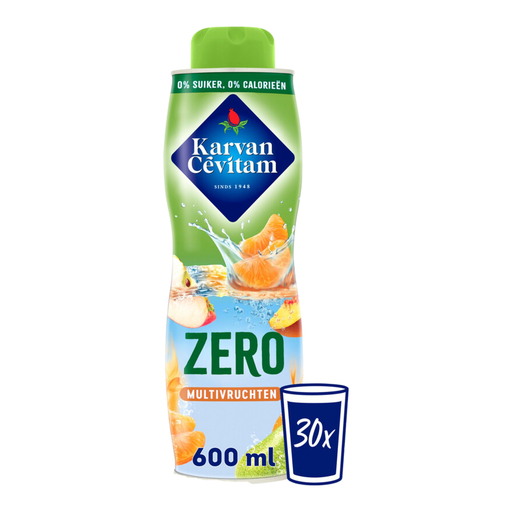
Why it suits this profile: According to the product information, the bottle makes up to 6 litres of lemonade, or approximately 30 glasses. The multifruit flavour is suitable for everyday still and sparkling water.
The recommended 1:9 ratio and stated number of servings make it easier to estimate how long the bottle will last.
0% sugar and 0 calories according to the product information; with vitamin C and no colourings or artificial flavourings, according to the manufacturer.
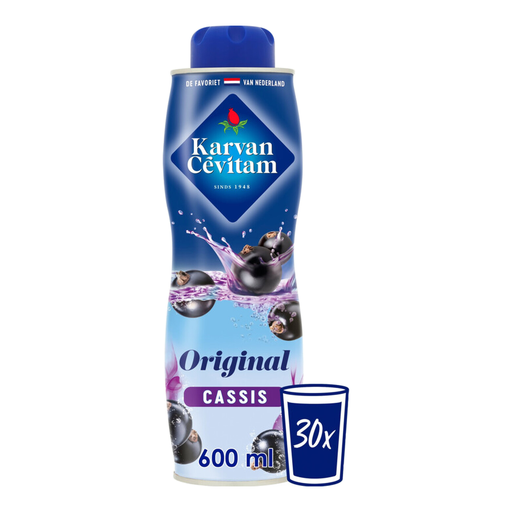
Why it suits this profile: This blackcurrant syrup is intended for those who enjoy a distinctive berry flavour and, according to the product information, contains 75% fruit juice from concentrate.
The fruit content is clearly stated in the product information, making the fruit claim easier to verify.
75% fruit juice from concentrate; 30 glasses per bottle according to the manufacturer; none of the 14 main EU allergens listed.
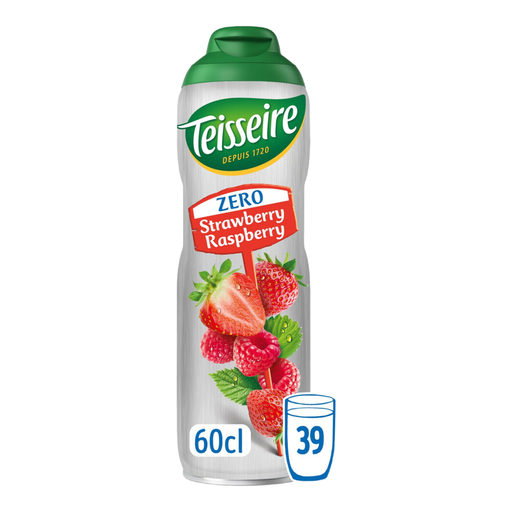
Why it suits this profile: According to the product description, this strawberry and raspberry syrup can be used in water, cocktails and desserts.
The stated fruit percentage of 15.5% provides more useful information than a general fruit claim on the label alone.
15.5% fruit juice from concentrate; according to the product information, sugar-free and free from the 14 main EU allergens.
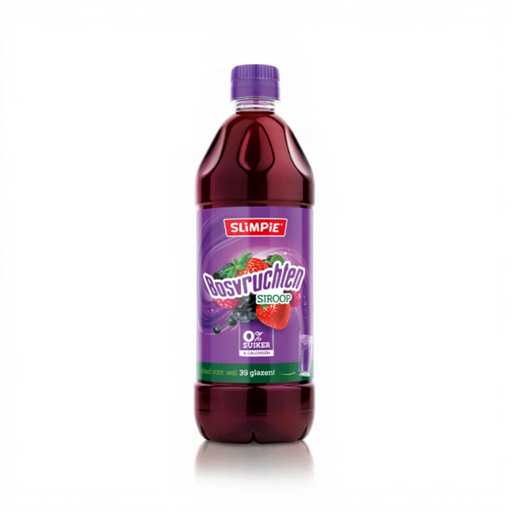
Why it suits this profile: According to the product information, this syrup is suitable for vegetarians and vegans, contains 6% fruit juice from concentrate and is intended for low-calorie lemonade.
The nutritional information states 0 grams of sugar and 1 kcal per 100 ml, allowing you to compare the product using clear, specific values.
0 grams of sugar according to the product information; contains none of the 14 main EU allergens according to the stated specifications.
We have put together a complete, up-to-date list of products that fully meet these strict selection criteria and the applicable European safety regulations.
Fruit syrup is a broad term for a concentrated drink with a fruit flavour or made from fruit. Lemonade syrup is usually diluted with water. Always check the fruit percentage, as a fruit-flavoured syrup may contain relatively little fruit juice.
Follow the mixing ratio on the bottle. A commonly used ratio is 1 part syrup to 9 parts water. You can start with slightly more water if you like, then add syrup until the flavour is right. With sparkling water, you can create a simple base for a mocktail.
This varies from one product to another. As a general rule, store opened fruit syrup in the fridge, close the cap securely and follow the use-by period stated on the packaging. Check the smell, colour and packaging before use. The information on the label is the final guide.
