
Vandaag of morgen in huis

Kwaliteit gegarandeerd

Welkomstaanbiedingen ontgrendelen: GRATIS bezorging | Tot 80% korting | Gratis 30 dagen JoyPlus-proefperiode
Download de app
Looking for a sugar-free syrup to add some zest to your water? You're not alone. More and more people are looking to reduce their sugar intake, for themselves or their children. But the shelves are packed with bottles making all sorts of promises, often leading to confusion and a purchase you later regret.
As a Product Recommendation Officer at Joybuy, I see the challenges consumers face every day. Before you make a choice, it's wise to be aware of a few common pitfalls.
low-calorie syrup, it can be misleading.To avoid a purchase you'll regret, it's helpful to know what to look for. By checking a few specifications on the label, you can make a more informed choice.
The taste of sugar-free cordial is entirely determined by its sweeteners. Not all sweeteners are created equal.
The choice is personal. If you want to avoid an unpleasant aftertaste, products with sucralose or a combination of sweeteners are often a safe bet.
Look beyond the front of the bottle. The nutritional information table on the back provides the facts. Pay close attention to the "of which sugars" line per 100 ml of diluted product. A true sugar-free syrup should be close to 0 grams here. Products that only claim "no added sugar" can still show 5 to 10 grams of sugar per 100 ml. This is crucial information if you're looking for genuinely healthy drinks.
The bottle often states a recommended ratio, such as 1:9 (1 part syrup to 9 parts water). At this ratio, a 600 ml bottle yields 6 litres of cordial. A syrup with a 1:7 ratio yields only 4.8 litres from the same bottle. A higher yield often means a lower price per glass, making it a more economical choice for daily use.
To help you get started, we've matched some popular choices with different user profiles.
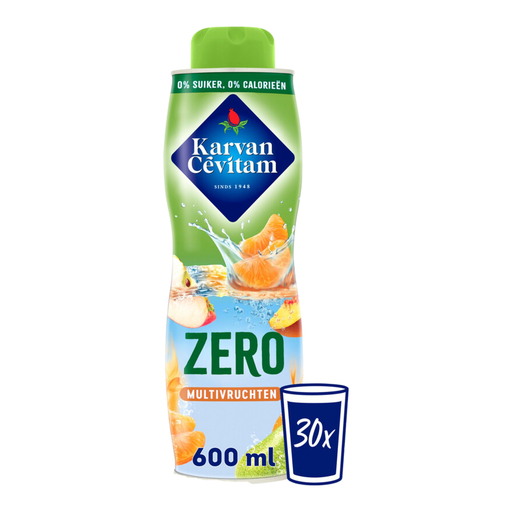
Why This Fits Their Persona: For those who want the familiar taste of a glass of fruit squash, but without the sugar. Ideal for families seeking a classic, fruity, and recognisable flavour in a sugar-free version.
This is a Karvan Cévitam zero product, meaning it's specifically formulated to contain 0% sugar and 0 calories. No confusion with "no added sugar". The flavour is balanced to prevent a chemical aftertaste.
Familiar multifruit flavour. The bottle makes up to 30 glasses of cordial, making it an economical choice for daily use.
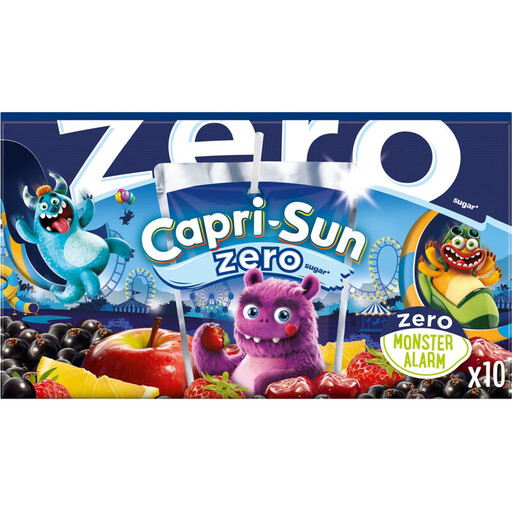
Why This Fits Their Persona: Convenience is everything. These ready-to-drink pouches are perfect for school bags, on-the-go moments, or kids' parties. No fuss with mixing and measuring.
The portion size is fixed (one 200 ml pouch), so you can't accidentally use too much or too little. It's explicitly a "Zero Sugar" product, so you can be sure you're giving them a sugar-free fruit drink.
Ultimate convenience and perfect portion control. The flavour is tailored for kids, and the packaging is handy for on the go.
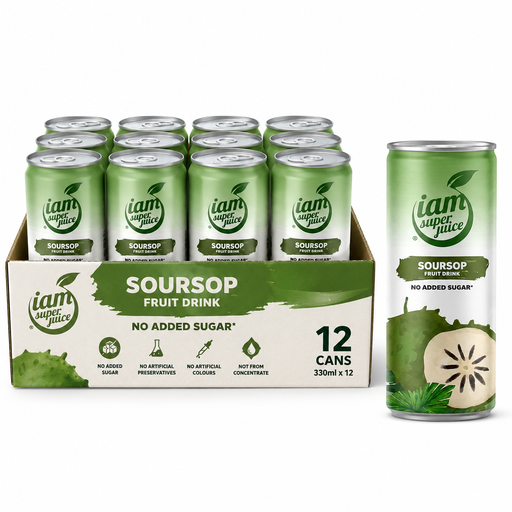
Why This Fits Their Persona: For those who want something different from the standard multifruit or orange flavour. This ready-to-drink beverage offers a unique, tropical taste and is a great example of naturally flavoured water.
This product perfectly illustrates the "no added sugar" trap. It contains 3.9 g of sugar per 100 ml from natural fruit juice. So, it's not sugar-free, but it is a conscious choice with no refined sugars, sweetened with stevia.
Unique, refreshing soursop flavour. Made from juice, not from concentrate and sweetened with stevia. A low-calorie option (18 kcal per 100 ml).
We have compiled a complete, up-to-date list of products that meet these selection criteria.
Sugar-free means the product (once diluted) contains virtually no sugars (usually less than 0.5 grams per 100 ml). The sweetness comes from zero-calorie sweeteners. No added sugar means the manufacturer has not added any free sugars (like granulated sugar or syrup). However, the product can still contain a significant amount of natural sugars from the fruit used.
The most common sweeteners are sucralose, steviol glycosides (stevia), aspartame, and acesulfame-K. A combination is often used to create a taste as close to sugar as possible and to minimise any aftertaste. The choice of sweetener on the label gives you an indication of the expected flavour profile.
If you don't have syrup on hand, there are plenty of other ways to liven up your water. For example, add slices of lemon, lime, or cucumber. A sprig of mint or a few frozen raspberries or blueberries also adds a subtle, refreshing taste and looks great too. These are simple ways to create healthy drinks.
