
Same-day & Next-day Delivery

Quality Guaranteed

Unlock Your Welcome Offers: FREE Delivery | Up to 80% OFF | Free 30-day JoyPlus trial
Download the APP
Frozen bao buns are handy for a quick breakfast, a light meal or a platter of Chinese snacks. Many bao buns go straight from the freezer into the steamer. However, products can vary considerably in their fillings, cooking times, portion sizes and allergens.
Look out for these three common pitfalls:
For a soft snack with a filling, look for filled bao buns or Chinese steamed buns. Common options include:
If you’re specifically looking to buy steamed buns, it’s worth checking the cooking method. Some products are designed for steaming, while others can also be pan-fried.
A 300-gram pack might contain ten small buns, for example, while a 450-gram pack might contain larger ones. So don’t just look at the total weight. Check:
A larger pack may be better value for a family or when you have guests. For your first try, a smaller pack is more practical, especially if you’re not yet sure which flavour you prefer.
Many bao buns contain wheat and gluten. Depending on the filling, they may also contain soya, sesame, egg, milk, crustaceans, molluscs or celery. Always check the current packaging, especially if you have a food allergy.
Frozen dim sum should generally be stored at -18 °C or below. Most products should not be refrozen after defrosting. Keep the cold chain as short as possible when your order arrives, and follow the use-by date on the packaging.
Steaming is the most suitable method for most frozen bao buns. Place the buns in the steamer while still frozen, with baking paper or perforated parchment between them. This helps stop them sticking.
A few practical tips:
A microwave is quicker, but it can make the dough dry or chewy in places. Some products recommend adding a few drops of water and covering the bun. A conventional steamer usually gives more even results.
For pan-fried bao buns, such as shengjian bao, a frying pan can give you a crispy base. Check the instructions carefully: some varieties need to be defrosted first, while others can be cooked straight from frozen.
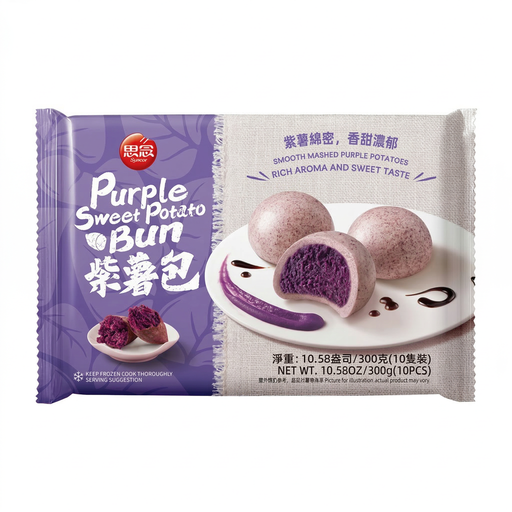
Why it suits this profile: A sweet option in a handy 300-gram pack. Ideal for breakfast or a snack, and easy to steam straight from frozen.
The packaging gives a clear steaming time of 8–10 minutes and states that there’s no need to defrost the buns first.
300 grams per pack, a purple sweet potato filling and 0.3 grams of salt per 100 grams, according to the product information.
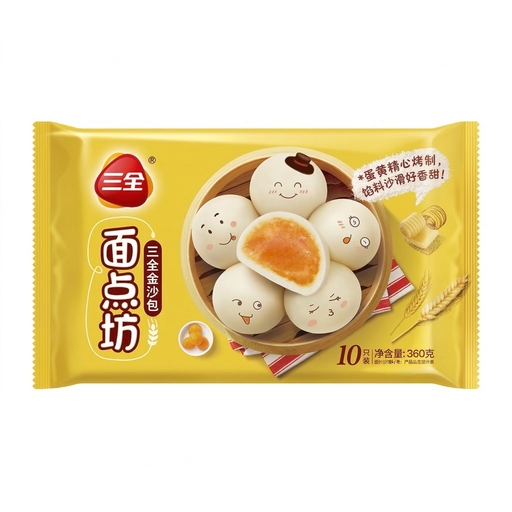
Why it suits this profile: A classic dim sum-style bun with a sweet and savoury salted egg yolk custard filling. Ideal for a more substantial breakfast or a treat with tea.
The product information lists both steaming and microwave cooking, including a specific steaming time of 10–12 minutes.
360 grams per pack, 6.39% salted egg yolk and clear allergen information for egg and gluten.
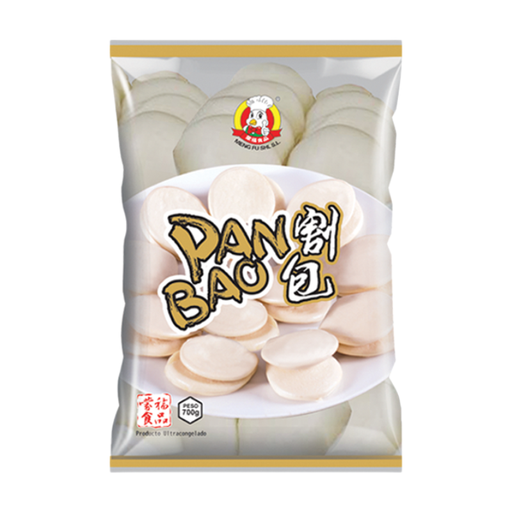
Why it suits this profile: These are unfilled bao buns that you can pair with braised pork, chicken, tofu or vegetables.
The product description makes it clear that the buns don’t have a set filling. That means you won’t end up with a flavour profile that doesn’t suit your meal.
700 grams per pack and, according to the product information, steam from frozen in 3–4 minutes.
There are several options for vegetarians. Fresh ASIA Handmade Shepherd's Purse Vegetable Buns 480g combines shepherd’s purse, tofu, vermicelli and shiitake mushrooms. Freshasia Noodle House Mushroom & Vegetable Bun 360g has a mushroom and vegetable filling and is described as a vegetarian option. If you follow a strict diet, always check the full ingredients list and allergen information.
If you’re looking for chicken bao buns, consider MENGFU New Orleans Style Chicken Bao 450g. Pork bao buns include char siu bao, steamed pork buns and pan-fried pork buns. With the last of these, look out for extra fat and salt, and check the pan-cooking instructions.
We’ve put together a complete, up-to-date list of products that meet these strict selection criteria and the applicable European safety regulations.
Most frozen bao buns can be steamed straight from the freezer. There’s often no need to defrost them first. The exact time varies by product and size, but is often between 8 and 12 minutes. Check that the filling is piping hot.
Store bao buns at -18 °C or below and follow the use-by date on the packaging. Many products should not be refrozen after defrosting. Seal opened packs tightly and follow the storage advice.
Bao buns are usually larger, fluffy steamed buns with a filling. Xiao long bao are smaller dumplings with thinner dough and often have broth inside. Take care when eating xiao long bao, as the liquid inside can be very hot.
