
Same-day & Next-day Delivery

Quality Guaranteed

Unlock Your Welcome Offers: FREE Delivery | Up to 80% OFF | Free 30-day JoyPlus trial
Download the APP
Would you like to buy frozen bao buns for a quick breakfast, a light meal or an evening of dim sum? You will soon come across different types of Chinese buns, fillings and cooking methods. One bao may be soft and filled with meat, while another resembles a xiao long bao with a soup filling, or is fried until crisp like a shengjian bao.
However, the packaging and product photo do not always tell the full story. Pay close attention to the contents, allergens, cooking time and storage instructions. This will help you avoid buying a large bag that does not suit your preferences, steamer or available time.
A 450- or 510-gram pack may look appealing, but check how many buns it contains and how much filling is in each one. Some products consist of around 60% dough. A smaller pack with a higher proportion of pork, chicken or vegetables may therefore be a better fit for a meal or snack.
Chinese baozi are usually larger, soft, steamed buns with a savoury filling. Xiao long bao and soup dumplings often have a thinner wrapper and liquid broth inside. Shengjian bao are fried in a pan and have a crispy base. If you use the wrong cooking method, the bun may split or heat unevenly.
Soup-filled buns may contain hot liquid inside. Leave them to stand briefly after steaming and eat them carefully. Also, always check the allergens. Wheat, gluten, soya, sesame, crustaceans, milk and molluscs are common in this product category. Do not rely solely on terms such as ‘vegetable bao’ or ‘chicken bao’; read the full ingredients list.
First decide which type of filling you are looking for:
Also check the stated percentage of the main ingredient. For example, Delico Cha Sieuw Bao contains pork in the filling, while the product information for Zhen Wei Xiang Chicken Xiao Long Bao states that it contains 54% chicken. Fresh ASIA Mushroom Chicken Thigh Bun lists 15.8% chicken and 2.1% mushroom.
Most frozen bao buns do not need to be defrosted beforehand. When steaming, place them above boiling water and leave space between the buns, as they may expand.
The stated cooking times vary:
Always follow the instructions on the packaging. Products containing raw flour or raw filling must not be eaten uncooked. Several products specify a minimum core temperature of 70 °C. You can use a bamboo steamer, metal steaming basket or a pan with an insert; if necessary, place perforated baking paper beneath the buns to help prevent them from sticking.
Frozen bao buns should generally be stored at -18 °C or below. Do not leave the packaging out of the freezer unnecessarily long and do not refreeze defrosted products. When ordering online, pay attention to the cold chain and place the products in the freezer immediately after delivery.
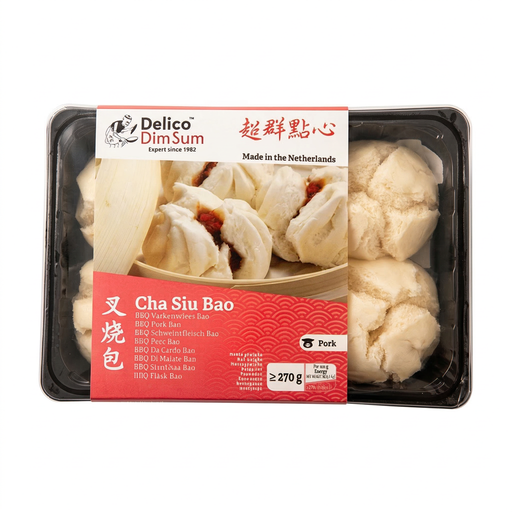
Why it suits this profile: A compact pack for anyone steaming bao buns for the first time and wanting to try a classic pork filling.
The product information states 270 grams, 8–10 minutes of steaming from frozen, and the allergens wheat, soya and sesame.
Classic char siu filling, short cooking time and clear storage instructions at -18 °C.
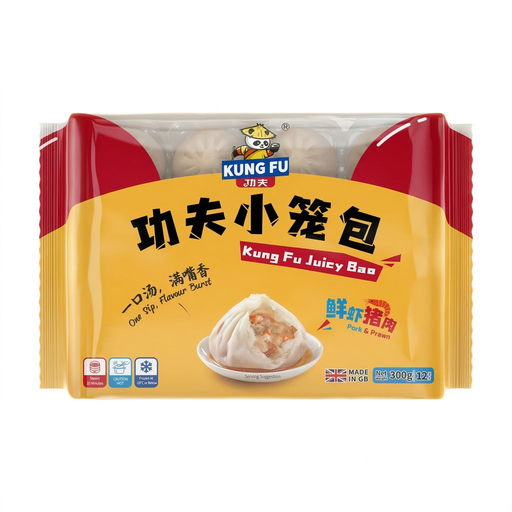
Why it suits this profile: For lovers of soup fillings, pork and prawns who want to serve a more elaborate dim sum dish.
The cooking instructions specify steaming on high heat for 8–10 minutes and warn of allergens such as crustaceans, milk, wheat, soya and sesame.
According to the product information, it contains at least 23% pork and visible pieces of prawn.
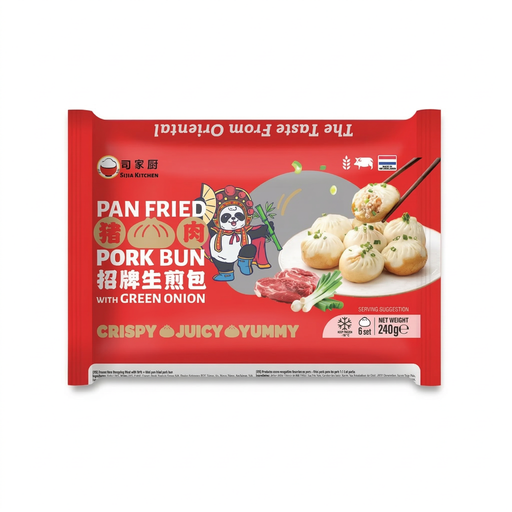
Why it suits this profile: Ideal for anyone who does not want to use a steamer and considers a crispy base important.
The instructions are specifically for cooking from frozen: fry the buns first, add water and cook covered for 5–7 minutes.
240 grams with 6 pieces, a crispy base and a cooking method suitable for a frying pan.
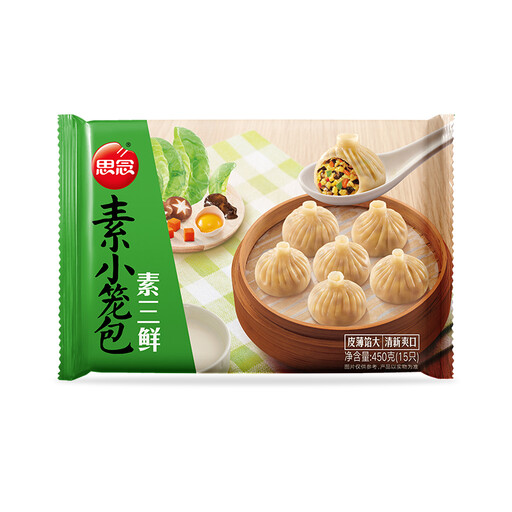
Why it suits this profile: A meat-free choice for a sharing platter, simple meal or added variety when buying dim sum.
The ingredients include Chinese cabbage, egg, carrot, shiitake and glass noodles. Please note: the product does contain wheat, soya and sesame.
450 grams, a vegetable and mushroom filling, and steaming without prior defrosting.
We have put together a complete, up-to-date list of products that fully meet these strict selection criteria and the applicable European safety regulations.
Most steamed buns go straight from the freezer into a preheated steamer. Place them on baking paper or a steaming insert, leaving space between them, and follow the cooking time on the packaging. Depending on their size and filling, this usually takes 8 to 15 minutes. Check that the centre is piping hot before serving.
Only if the packaging states that this is suitable. For example, Fresh ASIA Mushroom Chicken Thigh Bun gives a microwave method of 60–90 seconds with a few drops of water and a short resting time. A steamer generally produces a more even result. Do not use a microwave setting without checking the instructions for the specific product.
Store frozen dim sum at -18 °C or below and follow the best-before date on the packaging. Do not refreeze the products once they have thawed. Open packs should be cooked as soon as possible, kept well sealed and always checked against the manufacturer’s instructions.
