
Same-day & Next-day Delivery

Quality Guaranteed

Unlock Your Welcome Offers: FREE Delivery | Up to 80% OFF | Free 30-day JoyPlus trial
Download the APP
Asian steamed buns are popular for breakfast, dessert or a quick snack. However, not all buns are the same. Some products are frozen and need to be steamed thoroughly, while others can be eaten straight from the pack. The amount of filling, size and allergen information can also vary considerably.
If you choose a product based only on attractive packaging or words such as “soft” and “traditional”, it may not suit your kitchen or taste. Look out for these three common pitfalls:
There are broadly two types of sweet steamed buns. Frozen products are usually placed in a steamer without defrosting first. Other packaged buns are already cooked and can be eaten straight away.
For frozen products, always follow the instructions on the label. For example, according to the product information, Synear Purple Sweet Potato Bun needs to be steamed for around 8 to 10 minutes. For microwave preparation, the pack recommends making a small opening in the packaging and heating for around 1.5 to 2 minutes. Always check that the centre is piping hot.
According to the product description, Synear Brown Sugar Shredded Bun contains raw dough. These buns need around 12 to 15 minutes of steaming. That is longer than for some products that are already partially cooked, so a quick reheat may not be enough.
A 300-gram pack may contain several small buns, while an individual breakfast bun may weigh just 85 grams. So don’t compare only the price per pack. Check:
A 300-gram pack of Synear Custard Bun contains 10 pieces. The product information describes a soft bun with a sweet egg yolk custard filling. Synear Purple Sweet Potato Bun states that 20% purple sweet potato is used in the filling. This is verifiable information that tells you more than just the flavour name.
If you enjoy buns with red bean filling, it’s also worth noting whether they’re frozen or stored at room temperature. The 500-gram YUAN Jade Rabbit Bun contains red bean paste, according to the description, and needs to be kept frozen. The 85-gram THINMAX Fresh Pull-Apart Bean Bread contains at least 8% red bean filling and, according to the product information, is ready to eat.
Frozen bao buns should generally be stored at -18 °C or below. Don’t defrost a pack unnecessarily, and don’t refreeze a product if the label advises against it. When your order arrives, check that the packaging is intact and that the product has remained properly frozen.
Always read the latest packaging information, too. Many Asian snacks and breakfast buns contain wheat and gluten. Custard buns may also contain egg, soya or milk. Synear Custard Bun lists wheat, soya and egg as allergens. Purple Sweet Potato Bun lists wheat as an allergen. If you have an allergy or intolerance, check the full ingredients list, not just the product name.
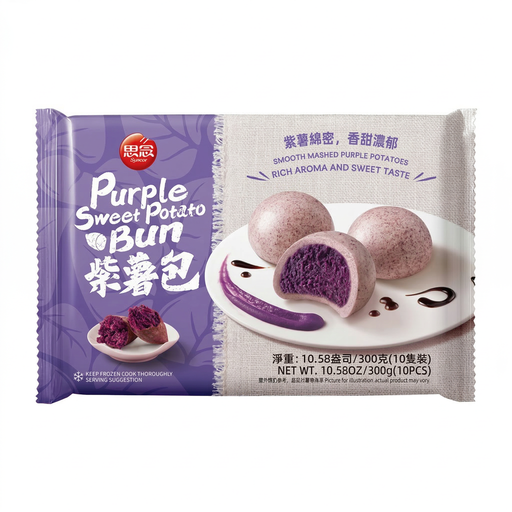
Why it suits this shopper: A 300-gram pack is handy for several breakfasts or snacks. The sweet potato flavour is a straightforward introduction to filled buns.
The product information clearly states how to prepare it, that it should be stored at -18 °C or below, and that the filling contains 20% purple sweet potato.
300 grams per pack, steam from frozen and a stated nutritional value of 227 kcal per 100 grams.
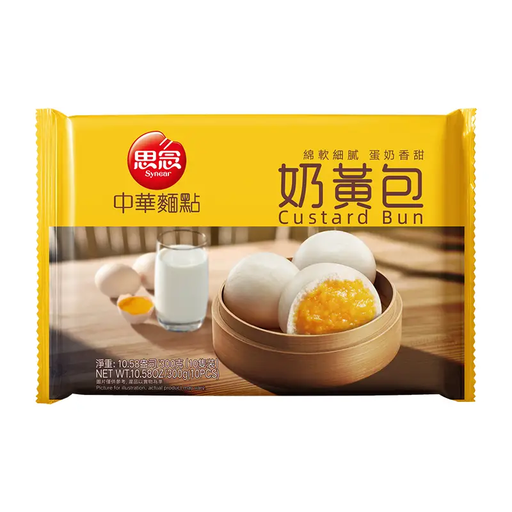
Why it suits this shopper: A good choice if you’re after a creamy filling and small portions for dessert, with tea or for a sweet breakfast.
It’s sold as a frozen product and contains 10 pieces per pack, so you know the portion size in advance.
300 grams, 10 buns, steam before eating, with allergen information for wheat, soya and egg.
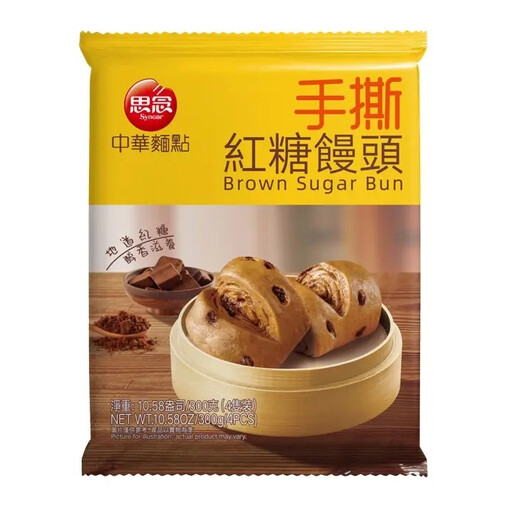
Why it suits this shopper: A good fit for households that serve warm buns regularly and want a distinct brown sugar flavour.
The pack states that the buns are made with raw dough and gives a steaming time of around 12 to 15 minutes. A quick reheat is therefore not suitable.
At least 15% brown sugar according to the product information, individually wrapped and suitable for cooking from frozen.
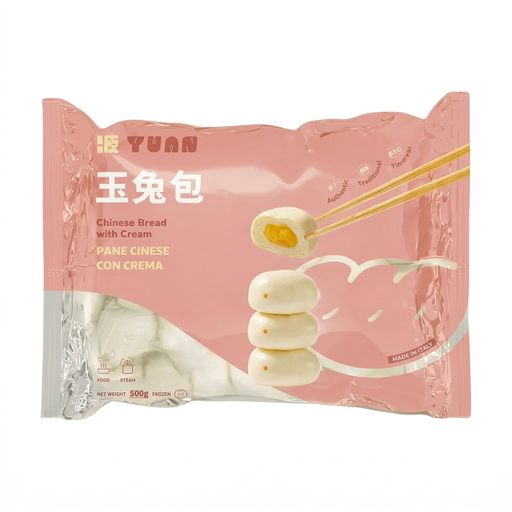
Why it suits this shopper: Its rabbit shape makes it a fun choice for breakfast or a snack with the family.
The product information clearly states that the buns are raw, must be kept frozen and need to be steamed for 8 to 10 minutes.
500 grams per pack, red bean filling according to the product description, and a wheat allergen declaration.
We’ve put together a complete, up-to-date list of products that fully meet these strict selection criteria and current European safety regulations.
Follow the instructions on the pack. Many frozen buns don’t need to be defrosted. Place them in a steamer over boiling water, leaving space between them, and check that the centre is piping hot. Cooking times vary by product and size.
Keep frozen products at -18 °C or below until the stated best-before date. Some products cannot be refrozen once defrosted, so always check the storage instructions on the label.
That depends on the portion size and ingredients. Sweet buns often contain sugar and carbohydrates. If you plan to eat them regularly for breakfast, compare their weight, nutritional value and filling.
