
Same-day & Next-day Delivery

Quality Guaranteed

Unlock Your Welcome Offers: FREE Delivery | Up to 80% OFF | Free 30-day JoyPlus trial
Download the APP
Chinese steamed buns are handy for breakfast, a quick snack or a table full of Chinese dim sum. Many varieties go straight from the freezer into the steamer. Yet online, bao buns, mantou and filled buns often look more alike than they are in practice. The difference lies in the filling, allergens, preparation method and whether the product is already cooked.
This guide helps you compare marketing claims with verifiable product information. That way, you can avoid a disappointing purchase and choose a product that suits your household.
A packet may show an appealing flavour name, while the filling is relatively limited. So check the ingredients list and, if stated, the QUID declaration: the percentage of a key ingredient. For example, Synear Taro Bun states 20.3% taro. Synear Black Sesame Bun mentions at least 15% black sesame.
If you’re after a distinct filling, filled bao buns with sesame, taro, custard or red beans are a better choice than plain mantou. A white steamed bun usually contains no filling and is more of a basic product to accompany a meal.
The label “ready to steam” mainly refers to convenience, not to eating without heating. Product information may state that a bun is not ready to eat as is or that it contains raw dough. The bun then needs to be fully cooked.
Pay attention to the recommended time. Many filled Chinese steamed buns need around 8 to 12 minutes over boiling water. Raw or larger buns may take longer. The instructions on the packet are your guide.
Not every bun with “steamed” in its name belongs exclusively in the steamer. For instance, the product information for Freshasia Taro Bun 390g mentions frying in oil as a preparation method. If you specifically want to steam taro buns, it’s wise to check the instructions beforehand.
A microwave isn’t suitable for every product either. Where that method is mentioned, timings and power levels can vary between appliances. When using a steamer, it’s important to leave space between the buns so the steam can circulate properly.
First, choose based on when you’ll eat them:
Also note the number of pieces. A 300-gram pack might contain ten smaller buns, while a 390-gram pack could contain larger ones.
Wheat or gluten appears in almost all the varieties mentioned. In addition, sesame, milk, soya and egg may be present. With custard and egg yolk buns, you need to pay extra attention to the allergens. SAN QUAN Custard Bun lists gluten, egg, soya and milk, among others. FRESHASIA Sesame Bun contains wheat, sesame and milk.
Always check the current packaging, especially if you have a food allergy or intolerance. Recipes can vary between brands, even if the flavour name is the same.
Most frozen bao buns should be stored at -18 °C or below. Repeated thawing can affect quality; various product labels advise against refreezing after thawing.
Practical method:
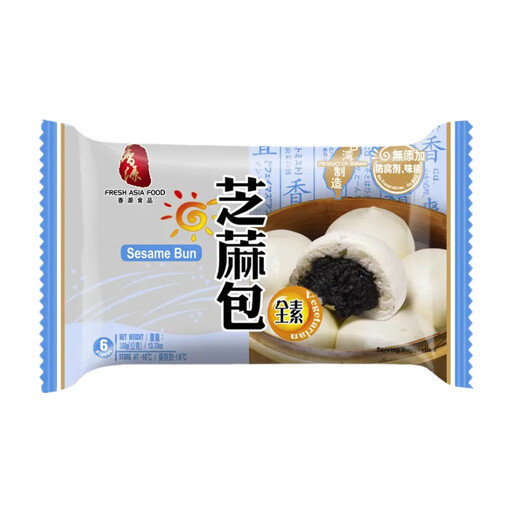
Why this fits the profile: The product information states steaming from frozen for 8 to 10 minutes. That makes this variety straightforward for a first taste of sweet bao buns.
The flavour and filling are clearly described as sweet black sesame paste. The allergens wheat, sesame and milk are listed.
390g, steaming from frozen and a recognisable sesame filling.
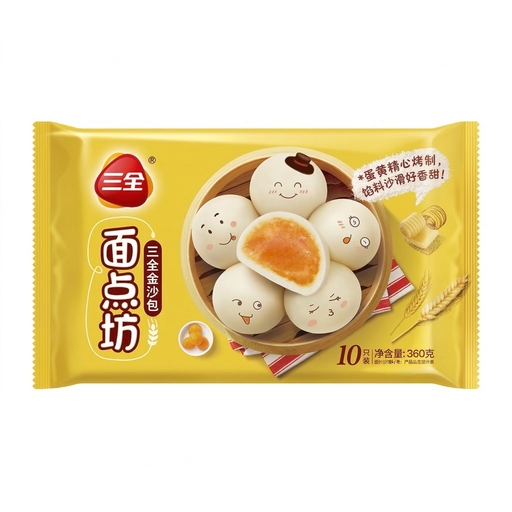
Why this fits the profile: This dim sum variety combines a light exterior with a sweet-savoury filling of salted egg yolk and custard.
The composition lists 6.39% salted egg yolk and the instruction is specific: steam from frozen for 10 to 12 minutes.
360g, suitable for steaming or the microwave according to the product information, and a distinctive custard flavour.
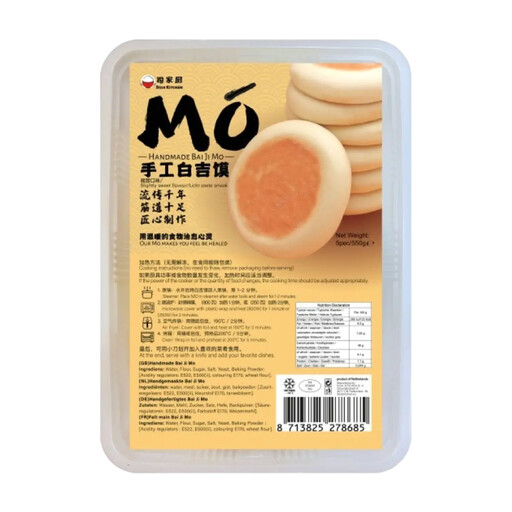
Why this fits the profile: If you often cook Chinese dishes, a larger, neutral basic product without a sweet filling is a great help.
The label makes it clear that this is raw dough. So you know in advance that it needs to be fully cooked.
550g, four ingredients plus salt and yeast, and suitable for steaming, baking or reheating.
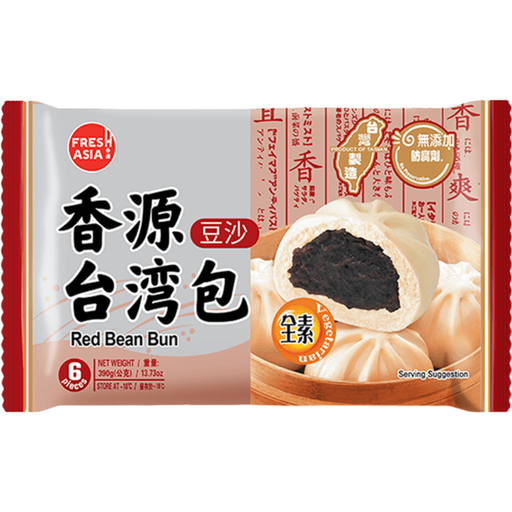
Why this fits the profile: The combination of 390g and a sweet red bean filling works well for breakfast, snack times or a shared dim sum table.
The product description mentions a smooth red bean paste and recommends thorough steaming. The allergen listing mentions wheat.
Red bean buns with a classic flavour, storage at -18 °C and suitable for steaming from frozen.
We’ve put together a full, up-to-date list of products that fully meet these strict selection criteria and comply with current European safety regulations.
With many products, you can place the buns straight from the freezer into a steamer basket. Steam over boiling water for as long as stated on the packet, usually 8 to 12 minutes. Check that the centre is hot. Raw dough may need a longer cooking time.
Keep them unopened at -18 °C or below until the stated best-before date. After opening or thawing, follow the instructions on the packet. Do not refreeze a thawed product if the packet advises against it.
Bao buns are often filled, soft buns, for example with black sesame, custard or red beans. Mantou is usually an unfilled, steamed wheat bun. Product names vary by brand, so look at the ingredients, filling and preparation method.
