
Same-day & Next-day Delivery

Quality Guaranteed

Unlock Your Welcome Offers: FREE Delivery | Up to 80% OFF | Free 30-day JoyPlus trial
Download the APP
Steamed buns, or bao buns, have become a fixture in the modern culinary scene. Whether you're craving a quick snack, an easy meal, or an authentic dim sum experience at home, supermarket freezers are filled with options. But the vast selection can make the choice overwhelming. Making the wrong choice can easily lead to a disappointing meal.
As a Joybuy Product Recommendation Officer, I'm here to help you see through the marketing noise. Here are the most common pitfalls and what you really need to look for when buying frozen bao buns.
The 2 Most Common Pitfalls When Buying Asian Buns
To avoid a bad purchase, it helps to know what types are available and what to look for on the packaging.
Not all Asian buns are the same. The name often gives a hint about the preparation and texture:
The quality of your bao bun lives or dies by its filling. Check the ingredient list for the percentage of the main ingredients (like pork, chicken, or vegetables). A higher percentage usually means a more generously filled bun. For a good vegetarian bao, a mix of mushrooms, tofu, and vegetables is often a good indicator of a rich flavour and texture.
Here are a few choices from our assortment, tailored to different needs and preferences.
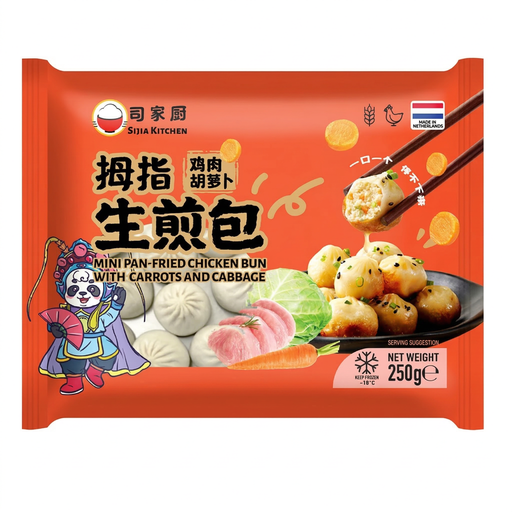
Why This Fits Their Persona: Perfect for those who want something delicious on the table fast. These mini sheng jian bao are ideal as an appetiser, quick lunch, or breakfast. They are small, easy to prepare, and offer a great alternative to standard snacks.
The name "Shengjian Bao" clearly indicates that this is a pan-fried bun, which prevents confusion about the texture. The small size ensures a good balance between the crispy bottom and the savoury filling in every bite.
Crispy bottom and a juicy chicken and carrot filling. Ready in minutes in a pan.
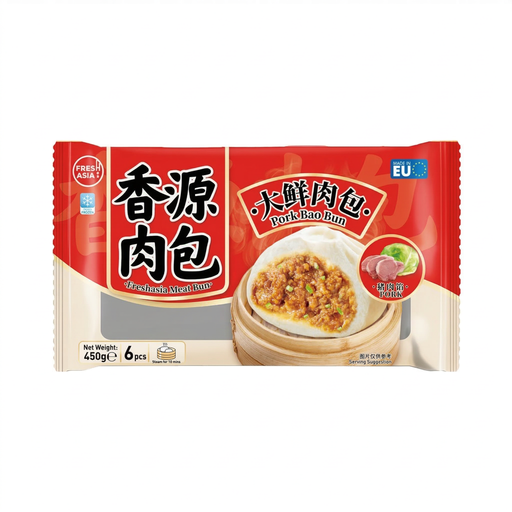
Why This Fits Their Persona: For those who want to replicate the classic taste of a dim sum restaurant at home. This bun has a traditional, juicy pork filling and is ideal as part of a larger meal or as a hearty snack.
The product name emphasizes the "juicy pork filling," which alleviates fears of a dry or skimpy bun. The pork percentage (21%) is clearly stated. This is a classic steamed bun, exactly what one would expect.
Classic, flavourful pork filling. Simple to prepare by steaming for a soft, fluffy texture.
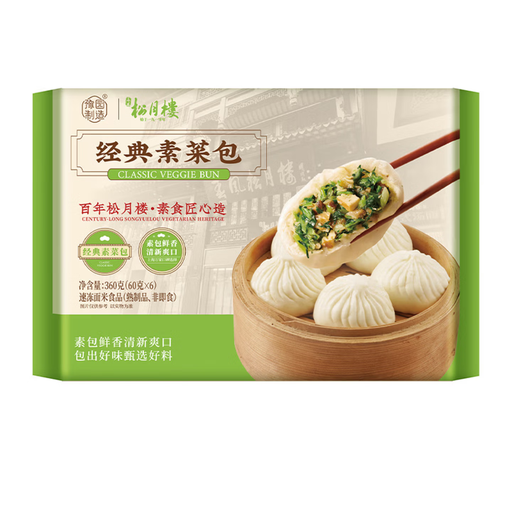
Why This Fits Their Persona: An excellent choice for those seeking a fully plant-based option without compromising on flavour. The Songyuelou brand has a vegetarian tradition, which inspires confidence in the recipe.
This product is clearly labelled as 100% plant-based, so there are no surprises. The filling of leafy greens, shiitake, and dried tofu provides a rich flavour and texture, avoiding the pitfall of a bland vegetable filling.
Completely plant-based. A flavourful and varied filling that goes beyond just cabbage.
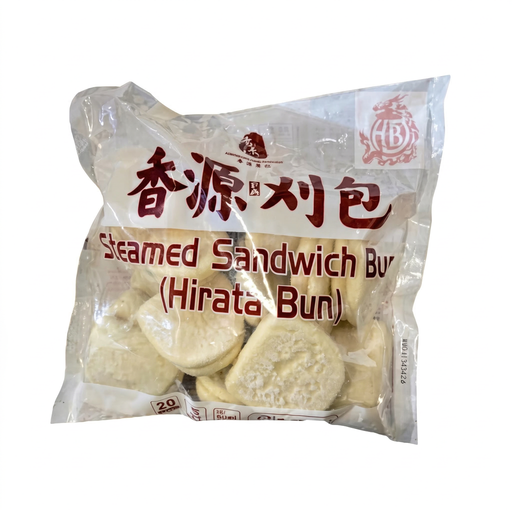
Why This Fits Their Persona: For the foodie who loves to be in control. These empty 'gua bao' are the perfect canvas for your own creations. Fill them with slow-cooked pork belly, pulled chicken, crispy tofu, or anything else you can imagine.
This product is exactly what it promises: empty buns for you to fill. This eliminates any disappointment over a pre-made filling and gives you complete creative freedom. The texture is soft and fluffy, ready to absorb the flavours of your filling.
Large package (1.2kg) for multiple meals. Offers maximum flexibility for your own fillings.
We've compiled a complete, up-to-date list of products that meet these selection criteria. Find the perfect Asian buns for your taste.
The terms are often used interchangeably. "Bapao" is the Indonesian name for a steamed bun with a meat filling, derived from the Chinese bakpao. "Bao bun" is a more general, English term for all kinds of Chinese steamed buns (baozi). In practice, both usually refer to a soft, white, steamed bun with a savoury filling.
No steamer basket? No problem. Place a metal colander or a few heat-resistant bowls (upside down) in a large pot with a lid. Add a layer of water (making sure the water doesn't touch the colander or bowls). Place the buns on a plate, set it on your makeshift rack, and steam with the lid on for the recommended time.
Yes, many frozen bao buns can be cooked in the microwave. However, the texture often becomes less fluffy and slightly chewier than when steamed. For the best results, steaming is the recommended method. If you do opt for the microwave, place the bun on a plate and sprinkle it with a few drops of water. Cover it loosely and heat it in short intervals until it's heated through.
