
Vandaag of morgen in huis

Kwaliteit gegarandeerd

Welkomstaanbiedingen ontgrendelen: GRATIS bezorging | Tot 80% korting | Gratis 30 dagen JoyPlus-proefperiode
Download de app
A tropical fruit drink might look appealing on the label, but the contents vary greatly from product to product. One drink is mostly water and sugar, while another boasts a higher fruit content, added vitamins or no added sugar. The size also makes a difference: a 330 ml can is handy on the go, whereas a 1 or 1.5 litre pack is better suited to a family.
If you’re buying exotic fruit drinks online, it pays to look beyond the fruit picture on the packaging. Below, you’ll find out which information matters and which options suit different situations.
A name like guava drink, passion fruit drink or mango drink mainly describes the flavour direction. So always check the ingredients list. This tells you how much fruit juice, purée or concentrate is actually in the drink. With Taksi Exotic Fruit Juice, the fruit component reportedly includes apple, peach, mango and passion fruit, with a total fruit juice content of 6%. That’s quite different from a drink that’s mostly made from a single fruit.
Fruits naturally contain sugars. A fruit juice with no added sugar can still contain sugar and calories. Always compare the nutritional values per 100 ml. The Iam Superjuice Passionfruit Drink, for example, states 17 kcal per 100 ml and no added sugar. In a 330 ml can, that works out at around 56 kcal, based on the stated nutritional information.
Also keep an eye out for sweeteners. A product may contain no added sugar but still use sweeteners. That’s not necessarily a problem, but it’s relevant information if you’re consciously comparing ingredients.
A box of several cans is practical, but look at the price per litre and the shelf life after opening. A pack of 12 cans of 330 ml contains 3.96 litres. A 1 litre bottle is often more convenient for use at the table, but it needs to be refrigerated after opening and used within the period stated on the label.
First, look at the order of the ingredients. Ingredients are usually listed in descending order of quantity. Also check whether the product contains:
A guava drink with 16% guava juice has a different composition from a drink with 30% pink guava. The Iam Superjuice Pink Guava reportedly contains 30% pink guava juice, while the Maaza Guava Drink 1000 ml states 18% guava purée.
Use the table of values per 100 ml for a fair comparison. Some stated values include:
Vitamins C and D are added to some products. Claims such as “enriched with vitamin C” are based on the product information from the brand or seller. Treat this as a product specification, not a medical promise.
Check the volume, the number of units and the storage instructions. Products containing milk ingredients are not suitable for everyone. Taksi Exotic Fruit Juice, for example, lists milk as an allergen. Other drinks mentioned state they do not contain any of the 14 major EU allergens, but always check the actual packaging.
After opening, many fruit drinks need to be refrigerated. Shake a drink containing fruit pulp or purée before use if the label advises it.
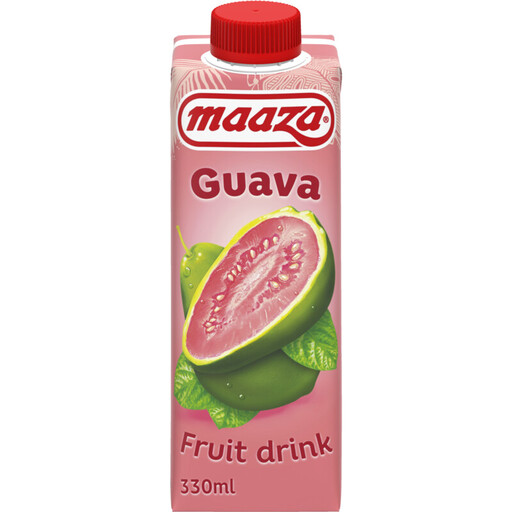
Why this suits the profile: A compact 330 ml size is ideal for trying a new guava flavour without opening a large bottle straight away.
The ingredients list 16% guava juice from concentrate. This means you can compare the fruit claim against the nutritional values: 29 kcal and 6.9 g sugar per 100 ml.
330 ml per pack, guava flavour and, according to the product information, none of the 14 major EU allergens.
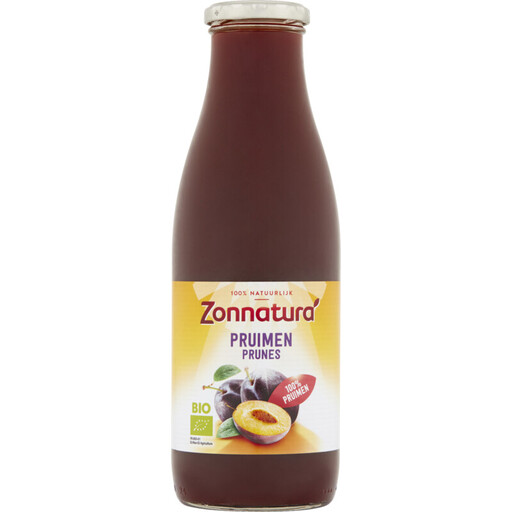
Why this suits the profile: For those who value a short ingredients list and an organic product for pure drinking or use in breakfasts and desserts.
The product information lists organic plum juice from water extraction as the ingredient. No flavourings or added sugars are listed in the stated composition.
Organic product, 750 ml size and a simple ingredients list. The nutritional information states 1 g of fibre per 100 ml.

Why this suits the profile: A multipack of 12 cans is practical for families, stocking up at home, the office or times when chilled portions are needed.
The product description states 30% natural passion fruit, no added sugar and 17 kcal per 100 ml. Always check these details on the packaging you receive.
12 × 330 ml, pronounced passion fruit flavour and, according to the product information, vitamin C and no declared allergens.
We’ve put together a full, up-to-date list of products that fully meet these strict selection criteria and comply with current European safety regulations.
Fruit juice is made from the juice of fruit, possibly from concentrate. Nectar can contain water and sugar and often has a lower mandatory fruit content. A fruit drink is a broader category that may include water, fruit juice, purée, flavourings, sugar or sweeteners. Always read the ingredients and nutritional values.
This varies by brand and recipe. Look at the “of which sugars” value per 100 ml. In the range, Iam Superjuice Soursop states 18 kcal per 100 ml, while some guava and plum drinks clearly contain more sugar. “No added sugar” doesn’t mean there are no natural sugars present.
Always follow the label. In most cases, an opened bottle should be refrigerated and consumed within the stated period. Seal the packaging tightly, keep it out of direct sunlight and shake the drink if the product information advises it.
