
Vandaag of morgen in huis

Kwaliteit gegarandeerd

Welkomstaanbiedingen ontgrendelen: GRATIS bezorging | Tot 80% korting | Gratis 30 dagen JoyPlus-proefperiode
Download de app
Buying fruit juice and fruit drinks online may seem straightforward, but attractive packaging does not always tell the whole story. For example, a mango on the label does not automatically mean that the product consists mainly of mango. Terms such as “no added sugar”, “vitamin C” and “tropical” also call for a closer look at the ingredients list and nutrition table.
In this guide, Joybuy Product Recommendation Officer sets out the key differences in a clear overview. This makes it easier to find a suitable drink for the family, a tropical flavour for a party or a sugar-free fruit drink for everyday use.
A fruit drink with no added sugar may still contain natural sugars from fruit. For example, Appelsientje Golden Apple Pure Juice lists 9.9 grams of sugar per 100 ml, even though the product information states that no sugar has been added. Van de Boom Apple Juice contains 6.7 grams of sugar per 100 ml.
If you want to limit your sugar intake, always check:
According to the product description, Wicky Mango Fruit Drink contains less than 0.1 grams of sugar per 100 ml. The drink is sweetened with sucralose and acesulfame-K and contains added vitamin C. “Sugar-free” therefore does not mean that no sweeteners have been used.
A tropical fruit drink may combine several types of fruit. According to the label, DubbelDrank Mango Guanabana contains, among other ingredients, apple, mango, orange and soursop. Mango is therefore not necessarily the main ingredient.
For this reason, check the order of the ingredients. Ingredients are generally listed from highest to lowest quantity. Maaza Guava Fruit Drink contains 16% guava juice from concentrate, alongside water and sugar. This gives a clearer picture than the product name “guava juice” alone.
A vitamin C drink may contain vitamin C, but that alone says nothing about its sugar content or proportion of fruit juice. For example, Taksi Tropical Fruit lists 17 mg of vitamin C per 100 ml and 0.75 µg of vitamin D. The drink also contains milk ingredients and sugar.
For products featuring a nutritional claim, always check:
If a brand refers to a particular effect, treat this as a brand claim. Based on its own research, for example, a manufacturer may describe a product as “refreshing” or “suitable for everyday use”. This is not an independently established fact.
Pay attention to the difference between:
According to the product information, Appelsientje Golden Apple Pure Juice is described as 100% apple juice from concentrate. Van de Boom Apple Juice is a drink containing 70% fruit juice and water. Both may be appealing options, but they are not the same type of product.
Compare products per 100 ml, not just per bottle or can. A 1-litre package may show a low figure per 100 ml, while the total amount of sugar can quickly add up over several glasses.
Some examples from the supplied product information:
Nutritional values may change depending on the packaging or production batch. Always check the current label before placing your order.
A multipack of cans or small cartons is practical for school, travel or households with several drinking occasions throughout the day. A 1-litre bottle or carton is better suited to breakfast and meals, but generally needs to be refrigerated after opening.
The following guidance generally applies to the products mentioned:
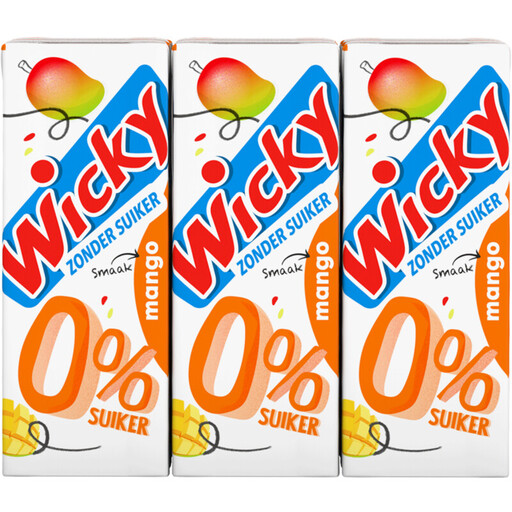
Why This Fits Their Persona: Small cartons are convenient for families, lunch boxes and drinks on the go.
The label states less than 0.1 grams of sugar per 100 ml, while also clearly listing the sweeteners used.
200 ml per carton; added vitamin C; none of the 14 major EU allergens listed.
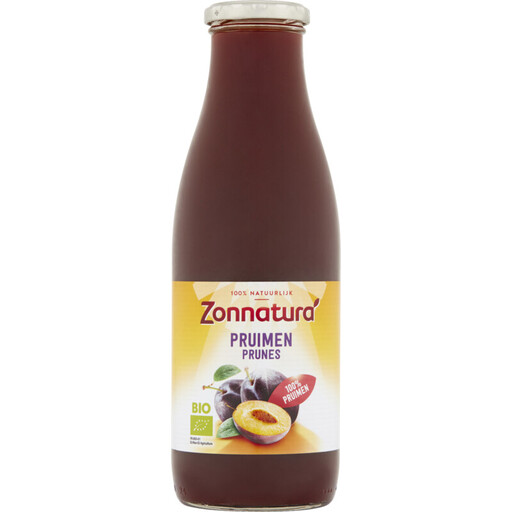
Why This Fits Their Persona: A suitable choice for shoppers specifically looking for organic plum juice to drink or use in muesli and desserts.
The ingredients list names only plum juice obtained through water extraction from organic farming.
750 ml bottle; organic product according to the product description; 1 gram of fibre per 100 ml.
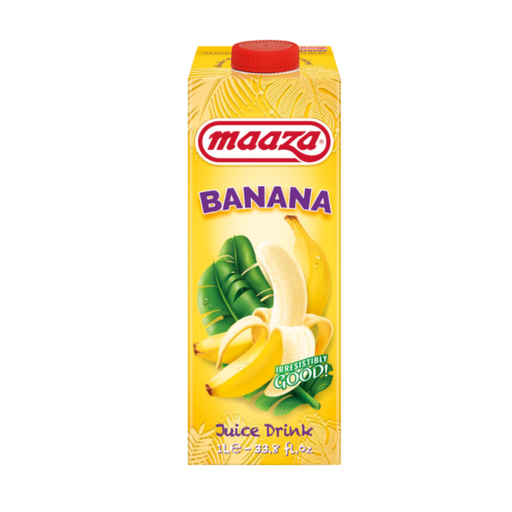
Why This Fits Their Persona: A 1-litre format suits those who enjoy a rich mango or banana drink with meals or when entertaining guests.
The product is marketed as a banana drink, while the ingredients specify 23% banana purée and sugar.
1000 ml contents; 23% banana purée; none of the 14 major EU allergens listed.

Why This Fits Their Persona: A box of cans is practical for stocking up, sports occasions, entertaining or a vegan household.
According to the product description, the drink contains no added sugar and is suitable for a vegan diet.
12 × 330 ml; according to the product information, 100% coconut water with 2% coconut pieces; source of vitamin C.
For a sugar-free fruit drink, Wicky Mango is worth considering, provided you are comfortable with sweeteners. If you are looking for a product with no added sugar, you could consider Iam Superjuice Mangosteen, coconut water or Van de Boom Apple Juice. Keep in mind that no added sugar does not automatically mean sugar-free.
For a distinctive tropical flavour, mango drink, pineapple juice, guava juice, soursop and mangosteen are logical search terms. Always check the actual fruit percentage. If you prefer a lighter drink, compare the energy content per 100 ml. For an organic option, Zonnatura Organic Plum Juice is a clear choice from this selection.
Browse a current selection of vegetarian juices and fruit drinks, and compare contents, flavour, ingredients and nutritional values before ordering.
Fruit juice consists primarily of juice, which may be made from concentrate. A fruit drink may also contain water, sugar, sweeteners, flavourings and other ingredients. That is why it is important to check the fruit percentage and the complete ingredients list.
No. Fruit naturally contains sugar. A drink with no added sugar may therefore still contain several grams of natural sugar per 100 ml. Check the nutrition table and also look for sweeteners.
Most products should be refrigerated after opening and consumed within the period stated on the label. This period varies from product to product. Close the packaging securely and check the current storage instructions before consuming the drink.
