
Vandaag of morgen in huis

Kwaliteit gegarandeerd

Welkomstaanbiedingen ontgrendelen: GRATIS bezorging | Tot 80% korting | Gratis 30 dagen JoyPlus-proefperiode
Download de app
An electric heater seems simple: plug it in and enjoy the warmth. But unrealistic expectations can lead to high energy bills, not enough heat or an appliance that’s awkward to use day to day. In Dutch homes in particular, where insulation and room sizes vary widely, it’s important to look beyond wattage alone.
The most common pitfalls are:
Power is measured in watts. Many compact models have settings of 600, 900, 1200, 1500 or 2000 watts. As a practical guide, manufacturers often specify a suitable floor area. Also take the room’s insulation, ceiling height and draughts into account.
For example, a 1500-watt heater running at full power for one hour uses a maximum of 1.5 kWh. The actual cost depends on your energy tariff and how long the thermostat switches on the heating element.
A ceramic heater, also known as a PTC heater, uses a ceramic heating element. A fan blows warm air into the room, helping to distribute heat quickly in a compact design.
A convector heater or oil-filled radiator works differently. These models spread heat without a fan, so they’re often quiet, but they usually warm a room more gradually. Choose according to how you plan to use it:
A heater with a thermostat can help maintain your chosen temperature automatically. A heater with a timer switches off after a set period. A heater with a remote control is handy when you want to adjust the settings from bed or the sofa.
Also look out for:
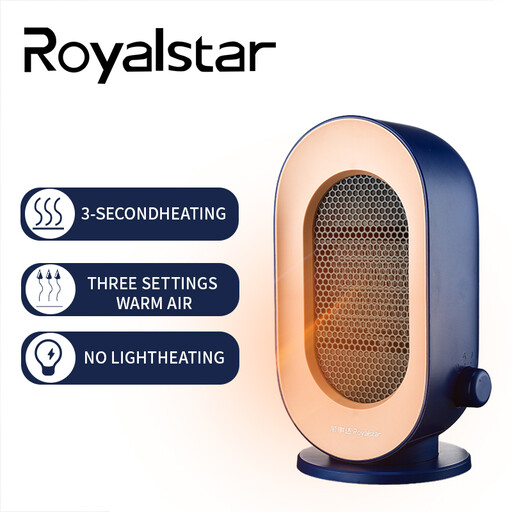
Why it suits this profile: Its low maximum power makes it suitable for a desk, small bedroom or personal workspace where you need focused warmth.
The three heat settings let you avoid running the heater at full power all the time. According to the product information, it also has tip-over and overheat protection.
600 watts, three settings, a compact design and easy to move between small indoor spaces.

Why it suits this profile: This tower heater is designed for larger living rooms or home offices of around 15–25 m², with a thermostat, timer and remote control.
The specifications list temperature control from 5–35°C, 70° oscillation and several safety features. According to DREO’s own information, the noise level is between 25 and 42 dB.
2000 watts, PTC ceramic heating, a stated coverage area of 15–25 m², a timer of up to 12 hours, and tip-over and overheat protection.
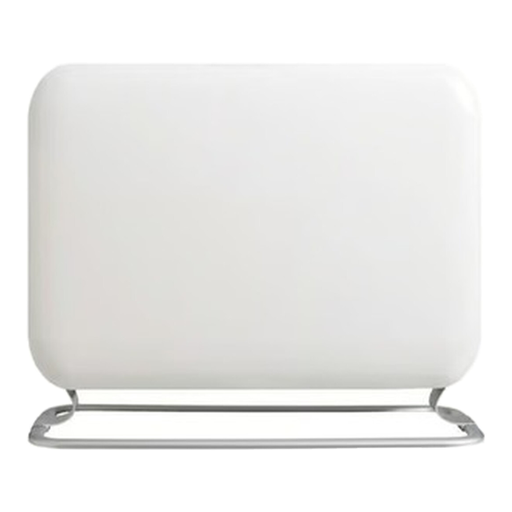
Why it suits this profile: If you heat your home at set times or manage several rooms, you can use the Wi-Fi features, weekly schedules and holiday setting.
Scheduling helps stop the heater from running when it isn’t needed. The product information lists overheat protection and a coverage area of up to 18 m².
1200 watts, Wi-Fi control, weekly scheduling, a holiday setting and three programmes for different times of use.
We’ve put together a complete, up-to-date list of products that meet these strict selection criteria and the applicable European safety requirements.
It depends on the room’s size, insulation and how quickly you want it to warm up. A small bedroom or workspace may suit a heater rated at 600 to 1500 watts. Measure the room and always check the coverage area stated by the manufacturer. A higher wattage doesn’t automatically mean lower energy consumption.
A PTC heater can provide warmth quickly and often has several settings or an ECO mode. Brands may quote energy-saving percentages based on their own research or product information, but these figures depend on the room, temperature, insulation and how long you use the heater. So focus on comparing the power rating, thermostat control and timer.
Only use a model with clear safety features and follow the instructions. Place the heater securely on a hard surface, keep it away from bedding and curtains, and don’t block the air vents. A timer can limit how long it runs, but don’t leave a heater unattended if the manufacturer advises against it.
