
Desk-based worker
You spend a long time in the same place and mainly want to warm yourself, rather than necessarily heating the whole living room.


If you usually sit in one place and don’t need to heat the whole living room, a well-positioned infrared panel is worth considering. If you want warm air that you can direct where needed, compare a ceramic fan heater; a convector is an alternative if you want to heat the air without a fan. None of these options will automatically heat a large living room from end to end, so also consider safe positioning, the electrical connection and how long the heater will be switched on.
You spend a long time in the same place and mainly want to warm yourself, rather than necessarily heating the whole living room.
You move your workspace around or want warm air at your desk quickly during shorter work sessions.
You work with concentration for long periods and want to avoid a fan, so you’re comparing radiant heat with fan-free air heating.
First decide whether you mainly want to heat yourself, the air around your workspace or a movable area. Then compare how long you’ll use the heater for and where you can position it.
| What to consider | What should you look for? | Who is this most relevant for? |
|---|---|---|
| Targeted heat | Check whether the panel can stand securely or be mounted according to the instructions, and whether you can direct it towards your seat. | If I usually sit in one fixed spot, I want warmth at my desk without aiming to heat the whole living room. Around 33% of consumers put targeted heat first. |
| Speed and portability | Compare the power settings and thermostat of the exact model, and check how much clearance the heater needs. | When my work sessions vary, I want to be able to move the heat source and feel warm air quickly. Around 20% of consumers prioritise speed and portability. |
| A quiet working environment | Check whether the model has a fan and whether you’d prefer radiant heat directed at you or warmth for the surrounding air. | If fan noise distracts me when I’m concentrating, I weigh up radiant heat against fan-free air heating. Around 20% of consumers put a quiet environment first. |
| Electricity use | Calculate this for each setting: power in kW × hours switched on = kWh. A thermostat can affect the actual time the heater is switched on. | I want to estimate my consumption based on my own working hours and settings, not just the maximum power. Around 27% of consumers prioritise running costs. |
If you mainly want to warm the area around your desk, a higher output won’t automatically make the whole room comfortable. The area warmed varies depending on the type of heater.
First decide whether you want to heat yourself or the air in the room. Then compare the output of the setting you’ll use with the expected time the heater will be switched on.
The Dutch Fire Service recommends leaving enough space around an electric heater and keeping it away from items that catch fire easily. Safety features are no substitute for a safe position.
Before buying, check that you can provide the recommended clearance and a stable position. Ideally, plug a high-power appliance directly into a wall socket, not an extension lead or cable reel.
The heating method or the name of a setting alone won’t tell you how much electricity the heater will use in practice.
Calculate consumption using the output of the setting you’ll use and the time the heater is switched on. Allow for the thermostat switching the heater on and off.
The product lines covered include an infrared panel that can be freestanding or mounted, and portable ceramic heaters. The right option depends on where you want the heat.
Tristar mainly markets the KA-5064 ceramic fan heater for use on campsites.
The portable Instant Mec SG2000MEC is a convector option if you want to heat the air without a fan.
Rowenta offers fan, ceramic and convector heaters. Compare the specification and intended use of the specific model.
This selection features ceramic electric heaters for supplementary heating. Check the CE marking on the specific model; a product listing alone doesn’t prove compliance.
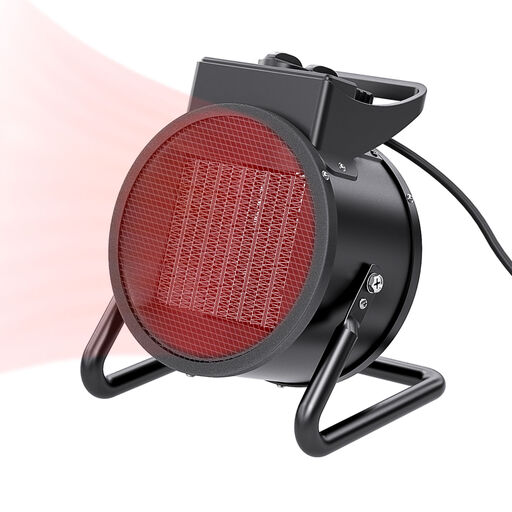 No image available
An option if you’re looking for a ceramic heater with several settings for supplementary heating; the product title says it’s for use at home and in the office.
The title lists a PTC heating element and three heat settings.
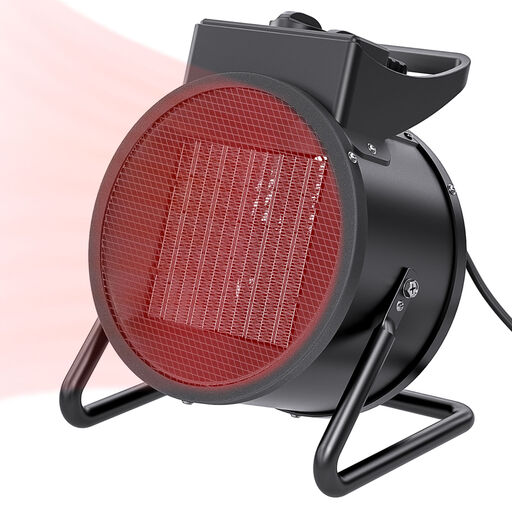 No image available
The product title says it’s for use at home, in flats and in garages. Compare the model with the available power supply and how long you want to use it for.
The title lists a PTC heating element and three settings.
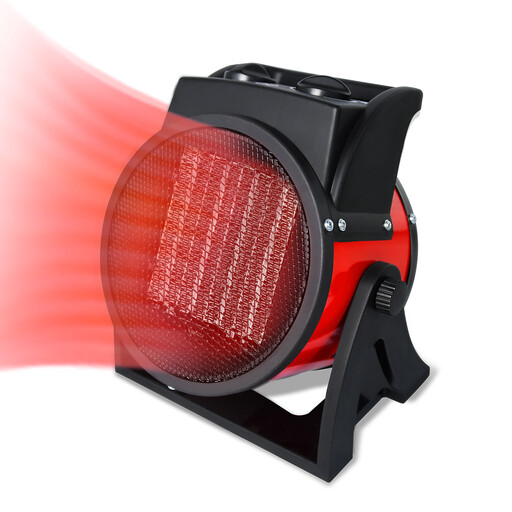 No image available
An option if you want to compare ceramic heaters for your workspace; the title says it’s for use at home and in the office.
The title lists a PTC element and three heat settings.
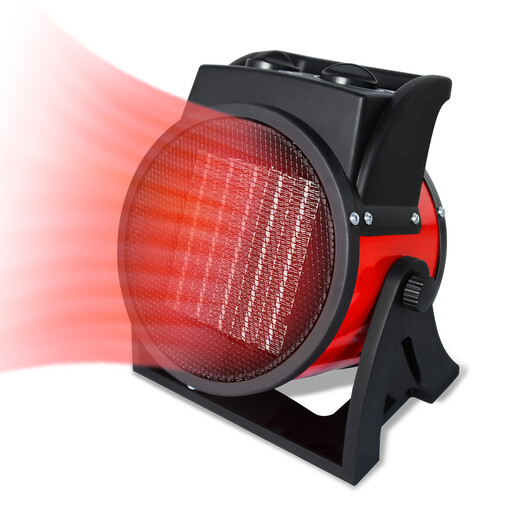 No image available
The title says it’s for use at home, in flats, workshops and garages. Choose a setting and usage time that suit your situation.
The title lists a PTC element and three heat settings.
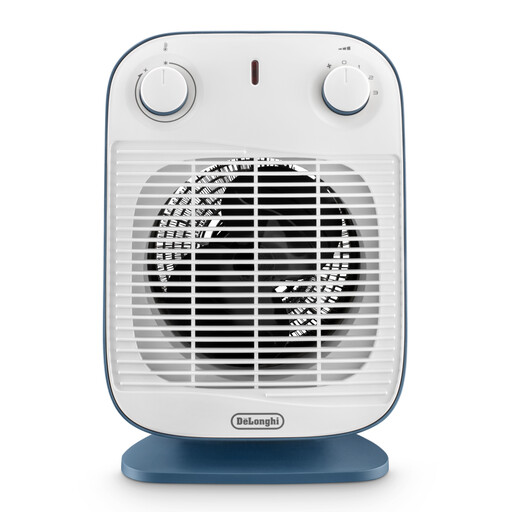 No image available
The product description says it can be placed on a table, floor or desk. Check whether you can leave the recommended clearance in your workspace.
According to the product description, this model has an output of 2000 W, three power settings, an adjustable thermostat and overheating protection. Do not use it in a bathroom or damp environment.
The Dutch Fire Service recommends plugging high-power appliances such as small electric heaters directly into a wall socket, rather than an extension lead or cable reel. Keep the heater clear of anything that could get hot, as instructed in the manual.
Mains-powered electrical equipment within the voltage limits of the EU Low Voltage Directive must carry a CE marking. EUR-Lex describes the scope as 50 to 1000 V AC and 75 to 1500 V DC. Check the marking on the specific model. A CE marking doesn’t prove that every position or way of using the heater is safe.
Switch the heater off and follow the instructions for the specific model when cooling, cleaning and storing it. Keep the area around the appliance clear, and don’t use it if the cable or plug is damaged.
Multiply the power in kW by the number of hours the heater is switched on. A 500 W setting running continuously for four hours uses 2 kWh; a thermostat can affect the actual time the heater is switched on.
No. ACM ConsuWijzer explains that the legal guarantee depends on what you could reasonably expect from the product with normal use, and doesn’t automatically end after two years. If a product is faulty, the seller is responsible for providing an appropriate solution free of charge.