
Vandaag of morgen in huis

Kwaliteit gegarandeerd

Welkomstaanbiedingen ontgrendelen: GRATIS bezorging | Tot 80% korting | Gratis 30 dagen JoyPlus-proefperiode
Download de app
Limescale: that stubborn white film on taps, in the shower, and inside your coffee maker. In many regions, hard water is a fact of life, making a good descaler indispensable. But the shelves are packed with sprays, gels, and liquids, all promising the world. Unfortunately, these promises often lead to disappointment or, worse, damaged appliances and surfaces. Before you make a purchase, it's crucial to recognise the most common pitfalls.
Pitfall 1: The "all-in-one" myth Many products claim to be a universal solution for all limescale problems. The reality is that a powerful bathroom descaler has a different chemical composition from an agent for descaling a coffee maker. Using an aggressive bathroom cleaner in your expensive espresso machine can irreparably damage the internal pipes and rubber seals.
Pitfall 2: Aggressive formulas that do more harm than good Some limescale removers are indeed tough on build-up, but they also attack your materials at the same time. Chrome, natural stone, and even the enamel of a bathtub can become dull or permanently stained by a product that is too acidic. Marketing often focuses on power, while the risks to delicate surfaces are glossed over.
To avoid wasting money or causing damage, there are two key factors to base your choice on. By paying attention to these, you can effectively remove limescale without unwanted side effects.
The form of the limescale remover is directly linked to its effectiveness for a specific job.
Not all acids are created equal. The active ingredients determine the strength and safety of the descaler.
To help you make the right choice, we've matched a few products to specific user profiles.
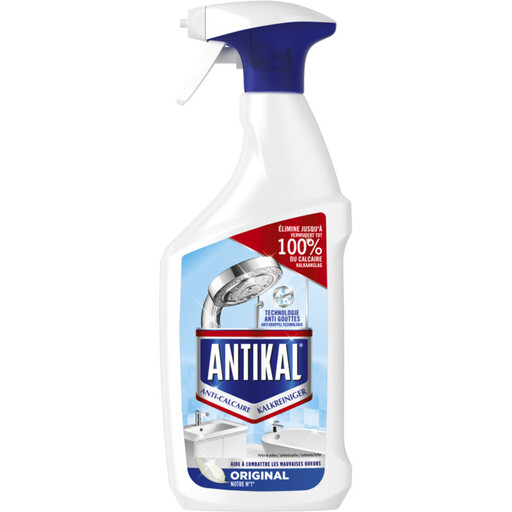
Why This Fits Their Persona: Ideal for anyone who wants to keep their bathroom clean quickly and efficiently. The spray is easy to use for the weekly cleaning of showers, taps and sinks, preventing limescale from building up.
This product bypasses the "all-in-one" trap by being specifically designed as a bathroom descaler. Its formula is tailored for sanitary surfaces and not intended for kitchen appliances.
According to the manufacturer, its special formula creates a barrier that helps prevent water spots from returning, even in hard-water areas.
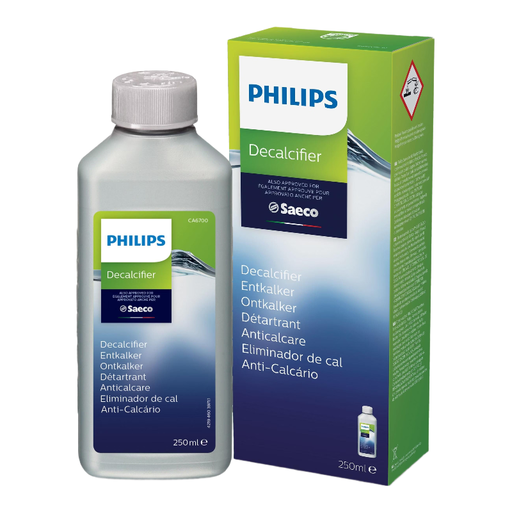
Why This Fits Their Persona: For those who take their coffee machine seriously. Regular descaling is essential for the taste of the coffee and the lifespan of the appliance. This product is made specifically for that purpose.
This solution avoids the pitfall of aggressive acids. It is specifically formulated for the delicate internal components of Philips and Saeco coffee machines, minimising the risk of damage.
Using the manufacturer-recommended descaler helps maintain the machine's performance and can extend its lifespan.
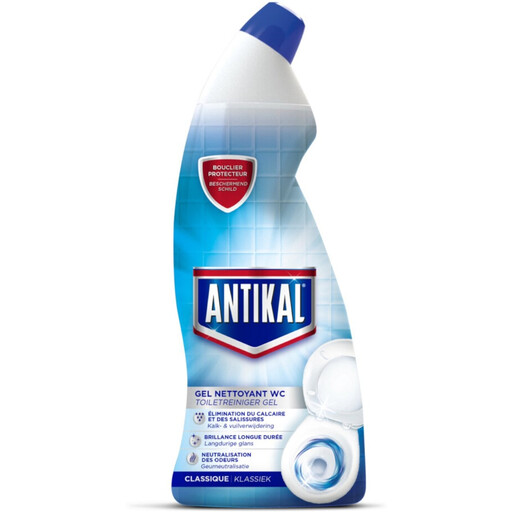
Why This Fits Their Persona: Perfect for tackling stubborn limescale in the toilet. The thick gel clings to the bowl, even below the waterline, for targeted and powerful cleaning.
This is a specialised product. The gel formula is specifically developed as a toilet descaler and is unsuitable for other applications, thus avoiding the "all-in-one" pitfall.
The thick gel ensures longer contact time on vertical surfaces and under the rim, which is essential for breaking down built-up limescale.
We have compiled a complete, up-to-date list of products that meet these selection criteria and current safety regulations.
This depends on the water hardness in your area and how often you use the appliance. Most manufacturers recommend doing this every 2 to 3 months. Many modern machines will notify you when it's time. Always use a descaler specifically approved for coffee machines to prevent damage.
Although vinegar can dissolve limescale, many appliance manufacturers advise against it. The acids in vinegar can, over time, damage gaskets, rubber parts, and certain metals in appliances. A dedicated limescale remover is formulated to be effective without damaging these components, making it a safer choice.
A bathroom descaler is specifically formulated with a low pH (acidic) to chemically break down limescale (calcium and magnesium carbonate). A general bathroom cleaner is more focused on removing soap scum, body oils, and other dirt, and often has a weaker descaling action. For the typical white build-up on taps and in the shower, a special descaler is significantly more effective.
