
Vandaag of morgen in huis

Kwaliteit gegarandeerd

Welkomstaanbiedingen ontgrendelen: GRATIS bezorging | Tot 80% korting | Gratis 30 dagen JoyPlus-proefperiode
Download de app
A bathroom cleaner may seem like a straightforward product, but there are major differences between sprays, gels, toilet cleaners and mould removers. A product that works well against limescale is not automatically suitable for natural stone. A fresh scent also says little about cleaning performance.
Anyone who focuses only on terms such as “power”, “ultrafast” or “100% limescale removal” could therefore buy the wrong product. Pay particular attention to the intended use, packaging and safety information. This will help you avoid unnecessary costs and damage to taps, tiles or grout.
A bathroom spray may be suitable for ceramic, plastic, chrome and tiles, but that does not mean you can use it on every surface without checking first. Natural stone, marble, limestone and some metals can react sensitively to acidic limescale removers or concentrated cleaning products.
So always check the label. If a surface is not clearly listed, test the product on an inconspicuous area first. Rinse away any residue thoroughly after the contact time if the instructions require it.
Claims such as “removes up to 100% of limescale” or “kills bacteria” depend on the conditions of use, the amount of dirt and the specified contact time. According to Antikal’s product description, the Original Spray removes limescale, soap scum and water marks, while its anti-drip technology helps limit new marks. This is information provided by the brand, not a universal guarantee for every bathroom.
Treat claims as an indication, rather than your only purchasing criterion. Also look at the product type, capacity and instructions.
A powerful bathroom cleaner is not always practical for every cleaning session. A daily bathroom spray may be sufficient for light build-up. For old limescale, mould in grout or stubborn dirt, you may need a product designed specifically for that purpose.
Never mix cleaning products together. Combinations involving bleach, acids or ammonia can produce dangerous fumes. Ventilate the room and keep every product out of the reach of children.
Start by identifying the problem you want to tackle:
A product for removing soap scum does not necessarily have the same formulation as one for removing limescale. When dealing with combined types of dirt, a bathroom cleaner designed for both uses may be more convenient.
Do not just compare the price of the bottle. Check the capacity, recommended dosage and whether rinsing is required. A 750 or 800 ml bottle may be practical for regular use, while a concentrated product is used differently.
A spray is quick to apply, but usage can increase when treating large surfaces. A gel can be applied in a targeted way, but may be less suitable when you want to treat a large number of tiles or a shower screen.
The label lists the hazard statements and precautionary measures. Some products may cause eye or skin irritation, while others can cause more serious harm. Wear gloves when recommended on the label and use eye protection for products carrying a relevant warning.
The CLP Regulation on the classification, labelling and packaging of chemical substances ensures that hazards are indicated using standardised statements. In addition, always check the full instructions for use on the packaging. A product containing bleach or sodium hypochlorite, for example, must not be combined with an acidic limescale remover or other maintenance products.
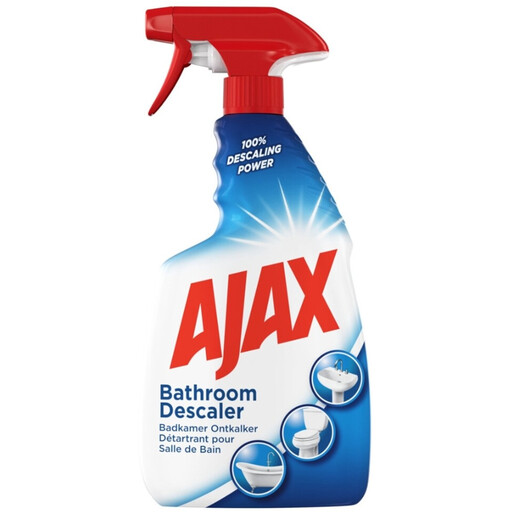
Why it suits this profile: A ready-to-use 750 ml spray for anyone looking for one product for regular bathroom maintenance, without having to mix it first.
The product description mentions limescale removal, quick use and easy rinsing. However, check material compatibility beforehand.
750 ml capacity, spray format and, according to the product description, seven cleaning actions.
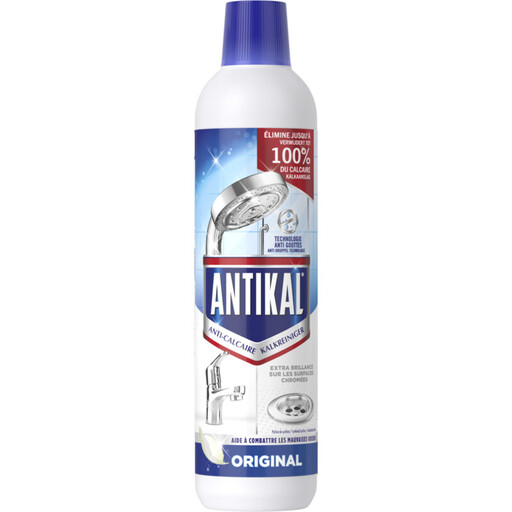
Why it suits this profile: The gel formula is ideal for users who want to target limescale and soap scum in areas where a liquid would quickly run off.
The product description specifically mentions limescale, soap scum and water marks. This means you can choose a product based on the problem, rather than simply on its scent.
750 ml gel, designed for the bathroom and, according to the product description, featuring anti-drip technology.
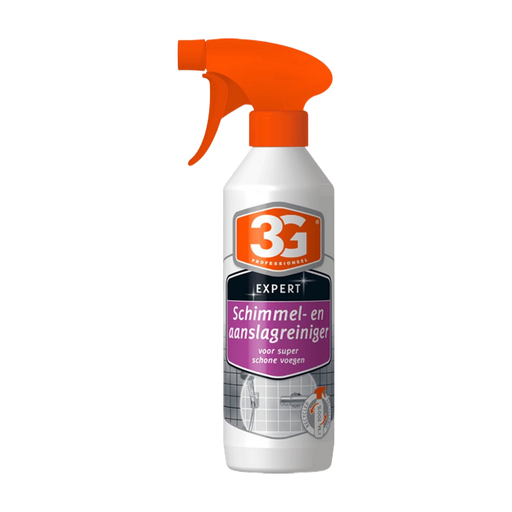
Why it suits this profile: For households that want to target mould and damp stains on tiled walls, grout or in garages.
This is not a general bathroom spray, but a product designed for a specific application, with a clear 10-minute contact time according to the product description.
500 ml spray, suitable for the specified tiled walls and grout; according to the instructions, it can be reapplied in cases of heavy soiling.
We have put together a complete, up-to-date list of products that fully meet these strict selection criteria and the applicable European safety regulations.
First remove any loose hair and dirt from the surface. Then apply the bathroom cleaner according to the label. Do not leave the product on for longer than specified, and use a cloth, sponge or brush that is suitable for the surface.
Regular maintenance can often help limit heavy build-up of limescale on shower screens or taps. Use a separate mould remover for mould, and cover plants, untreated metal and sensitive materials when the instructions advise you to do so.
Pay attention to the scent: a citrus, fresh or woody fragrance may be pleasant, but fragrances do not determine how suitable a product is for your surface. Also check whether rinsing is required, especially on areas that come into contact with water or skin.
Choose a product that lists both uses, such as a limescale remover or bathroom cleaner with an anti-limescale function. Check the material warnings and do not leave the product to work for longer than indicated.
This depends on the hardness of your water, ventilation and how often the bathroom is used. Regular cleaning can help limit build-up when visible water marks appear. Always follow the instructions for use and do not automatically use more product.
No. Do not mix a bathroom cleaner with bleach, ammonia, toilet cleaner or other maintenance products. Combinations can produce harmful fumes. Use one product per cleaning session, ventilate the room well and keep the packaging for the safety instructions.
