
当日/次日达

品质保障

开启新人专享福利: 全场免邮 | 低至 2 折 | 免费试用 30 天 JoyPlus 会员
下载 Joybuy
A sparkling bathroom is the goal, but the path to get there is often littered with half-empty bottles that fail to deliver on their promises. From stubborn limescale buildup to soap scum that leaves a dull film, finding the right bathroom cleaner can be a frustrating quest. Many products promise the world but deliver little in practice.
Before you add another bottle to your shopping cart, it's wise to consider a few common pitfalls. Manufacturers use clever marketing, but it doesn't always lead to a clean bathroom.
The key to an effective cleaning routine isn't a single miracle product, but the right tool for the specific job.
To avoid disappointment, it's helpful to know which type of cleaner you need for which problem. The product's composition is the most important factor here.
Not all stains are the same. The chemistry behind the cleaner determines its effectiveness.
Always read the label. A powerful cleaner can irreparably damage your bathroom.
Based on product specifications, we have selected several popular choices that suit different cleaning needs.
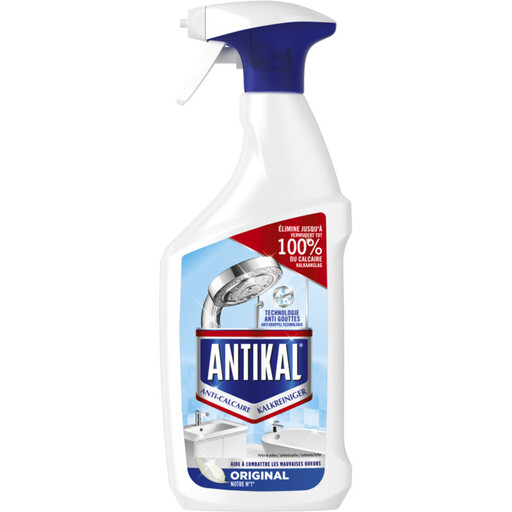
Why This Fits Their Persona: Ideal for households in hard water areas seeking a targeted, powerful solution for removing built-up limescale from shower screens, tiles, and taps.
This product isn't a vague "all-in-one" cleaner, but a specialised bathroom descaler. It focuses on one job: removing limescale.
According to the manufacturer, the formula creates a barrier to prevent the return of water spots, helping to keep the bathroom shiny for longer.
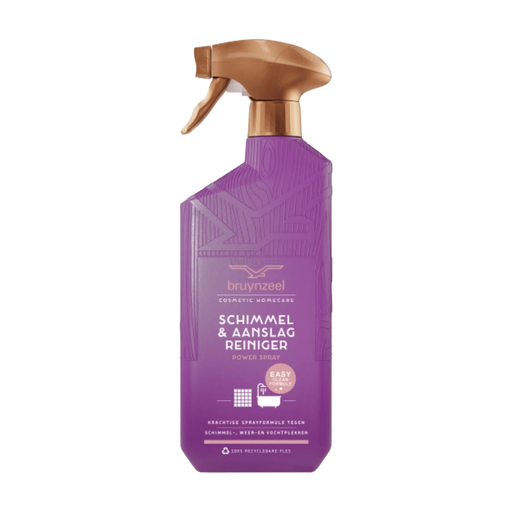
Why This Fits Their Persona: Suitable for those who want to tackle specific problem areas with mould, such as grout in the shower, sealant lines, or damp walls in the basement or garage.
This is not a general-purpose bathroom cleaner, but a targeted product for removing mould in the bathroom. It tackles one stubborn problem.
The product description indicates that it disinfects and delivers results on grey and black mould spots within 10 minutes.
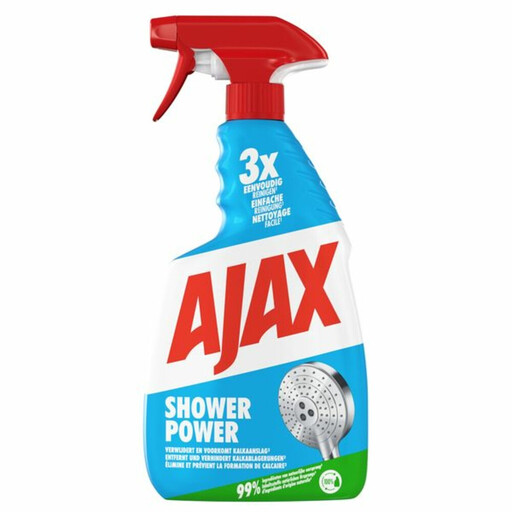
Why This Fits Their Persona: Perfect for those who want to quickly spray down walls and taps after showering to prevent the buildup of limescale and soap scum. A convenient spray for quick, daily cleaning.
The "no-scrub" claim is more realistic here, as the product is intended for preventive and daily use, not for removing old, stubborn buildup.
According to Ajax, the formula is of 99% natural origin, and the packaging, including the trigger, is 100% recyclable. The product is also vegan.
We have compiled a complete, up-to-date list of products that meet these selection criteria and comply with current safety regulations.
For the best results, prevention is key. Squeegeeing the shower walls and taps dry after each use helps immensely. A daily anti-limescale spray after the last shower of the day can significantly slow down limescale buildup. A thorough weekly cleaning with a suitable bathroom cleaner is also recommended.
No, this is strongly discouraged. Most powerful descalers are acidic and can permanently damage natural stone like marble, travertine, or other calcareous stones by dulling the surface. Always check the cleaner's label and choose a product specifically designed for natural stone or a pH-neutral cleaner.
A bathroom cleaner is typically a bathroom spray designed for larger surfaces like tiles, shower enclosures, and sinks. The focus is often on removing limescale and soap scum. A toilet cleaner is usually a thicker gel, often containing bleach, specifically formulated to cling to the toilet bowl's rim. Its primary purpose is hygienic cleaning, disinfection, and removing stubborn stains inside the toilet bowl.
