
Vandaag of morgen in huis

Kwaliteit gegarandeerd

Welkomstaanbiedingen ontgrendelen: GRATIS bezorging | Tot 80% korting | Gratis 30 dagen JoyPlus-proefperiode
Download de app
A bathroom cleaner spray may seem like a straightforward product, but sprays can vary considerably. Some are designed for everyday dirt and soap residue, while others target limescale, mould or the toilet. If you choose based only on a fresh scent or a bold claim, you could end up with a product that isn’t suitable for the surface or the type of dirt you need to tackle.
A spray for tiles isn’t automatically suitable for natural stone, painted surfaces or delicate metals. Always check the areas of use on the label. A product may be suitable for ceramic, plastic, chrome and glass, but that doesn’t mean it’s safe to use on every type of stone.
A limescale remover spray is designed to tackle limescale and water marks. An everyday bathroom cleaning spray is usually more practical for light soap residue, body oils and general dirt. For stubborn limescale, you’ll often need a product with clearly stated descaling properties. According to Antikal’s product description, its spray is designed for limescale, soap residue and water marks. Always check the label and warnings before use.
A fresh scent tells you little about whether a product is suitable for your bathroom. Instead, check the ingredients, recommended surfaces, contact time and safety instructions. Claims such as “removes bacteria”, “100% limescale remover” or “works instantly” should be understood as claims made by the brand, not as a universal guarantee for every situation.
First, decide what you want to remove:
A toilet cleaner can be handy for applying product under the rim, but it isn’t designed to be used as an all-purpose shower or basin spray.
Compare the volume, for example 500 ml, 750 ml or 800 ml, but also check the recommended dosage. A larger bottle isn’t automatically better value if you need to use more product each time you clean. A spray that you leave to work briefly before rinsing may be more practical for regular use than a product with a long contact time.
Check the hazard information and follow the instructions on the packaging. Wear gloves if instructed, ventilate the room and avoid contact with your eyes and skin. Never mix cleaning products, especially with bleach or chlorine products. Take extra care with sprays containing ingredients such as sodium hypochlorite.
If you’re unsure, test a new product on an inconspicuous area first. Rinse treated surfaces as directed and keep cleaning products out of the reach of children.
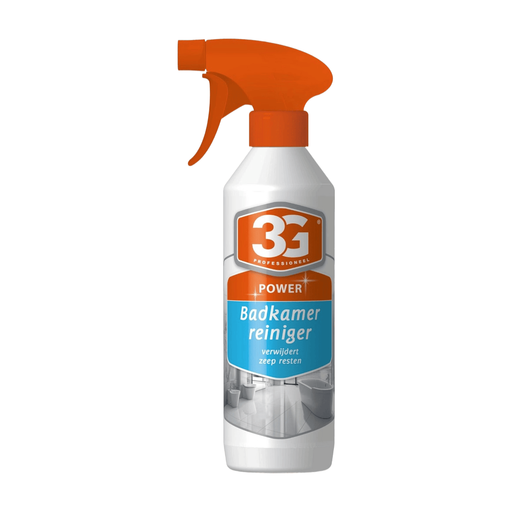
Why it suits this profile: According to the product description, this bathroom cleaner is intended for floors, tiled walls, shower enclosures, taps, baths, basins and other bathroom fittings. This makes it a suitable first all-purpose bathroom cleaning spray.
The areas of use are clearly listed, so you can see what the spray is suitable for instead of treating a toilet cleaner or stain remover as an all-purpose cleaner.
500 ml volume, child-resistant closure according to the product information, and instructions to spray, leave to work and wipe clean.
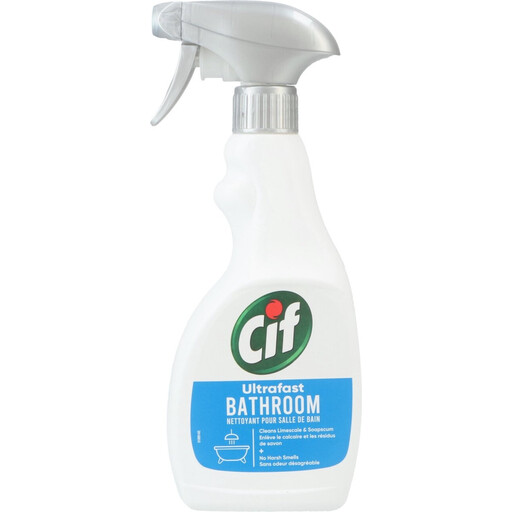
Why it suits this profile: According to the product information, this spray targets limescale and soap residue and is intended for use in the bathroom. It’s a good match for households looking for one specialist spray to tackle common build-up.
The product description specifically mentions limescale and soap residue, rather than relying solely on a general freshness claim. Before use, check the packaging for surface restrictions and safety warnings.
500 ml size, spray format, and a product description that lists limescale and soap residue as its main uses.
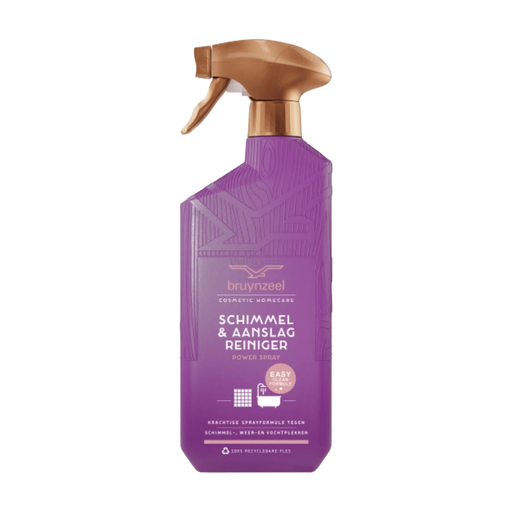
Why it suits this profile: According to the description, this product is intended for damp areas and grey or black mould stains on surfaces including tiled walls, grouting and ceilings.
This spray has a specific purpose and isn’t a substitute for an everyday bathroom cleaner. The product information lists sodium hypochlorite and less than 5% chlorine-based bleaching agents, so it’s important to ventilate the room and follow the safety instructions.
500 ml power spray, designed for damp areas, with a stated contact time of around 10 minutes according to the product description.
We’ve put together a complete, up-to-date list of products that meet these strict selection criteria and current European safety regulations.
For mirrors and glass, it’s best to use a glass cleaner designed for the job if your bathroom cleaner could leave streaks. For toilet bowls, a toilet and bathroom cleaner with an angled nozzle is often more convenient than a flat spray.
It depends on ventilation, water hardness and how often the bathroom is used. For light dirt, regular wiping with a suitable cleaning spray is often enough. Use a limescale remover spray when you can see limescale or water marks.
Not without checking first. Acids and other active ingredients can damage natural stone. Read the packaging and, if in doubt, test the product on an inconspicuous area first. Choose a product that explicitly lists natural stone as a suitable surface.
The shelf life and any period-after-opening guidance are shown on the packaging. Store the bottle upright, tightly closed and out of the reach of children. For products containing chlorine or other hazard symbols, it’s especially important to follow the storage and ventilation instructions.
