
Same-day & Next-day Delivery

Quality Guaranteed

Unlock Your Welcome Offers: FREE Delivery | Up to 80% OFF | Free 30-day JoyPlus trial
Download the APP
Limescale builds up in various places around the home: in your coffee machine, on taps, in the shower and sometimes in the washing machine. But not every descaler is suitable for every job. A product for bathroom fittings, for example, may be too harsh for a coffee machine, while descaling tablets for a bean-to-cup machine may do little for a bathroom tile.
The most common buying mistakes are:
A good limescale remover should therefore be suitable for the appliance or surface and how often you use it, and you should follow the safety instructions on the label.
First, distinguish between these uses:
So don’t use a bathroom product in a coffee machine without checking first. Always check the appliance manual and the manufacturer’s instructions.
The pack size only tells you something about the price once you know how many descaling treatments it will provide. The De'Longhi Eco Decalk Mini, for example, contains 2 bottles of 100 ml. According to the product information, one bottle is intended for one treatment. The JURA pack of 9 tablets uses 3 tablets per cycle, making it suitable for 3 treatments.
When comparing products, look at:
A larger pack makes most sense if you maintain your appliance regularly and can store the product correctly.
Descalers often contain acids or other active ingredients. Check that the product is suitable for the material you’re treating. Some products must not be used on marble, limestone, aluminium, copper, silver, gold, damaged enamel or coated surfaces.
Also read the CLP warnings on the packaging. These may include risks of eye and skin irritation, corrosion or harm to aquatic life. If appropriate for the product, wear gloves and ventilate the room. Never mix a descaler with bleach or other cleaning products.
If you’re unsure, test a bathroom product on an inconspicuous area first. And don’t leave it to work for longer than instructed.
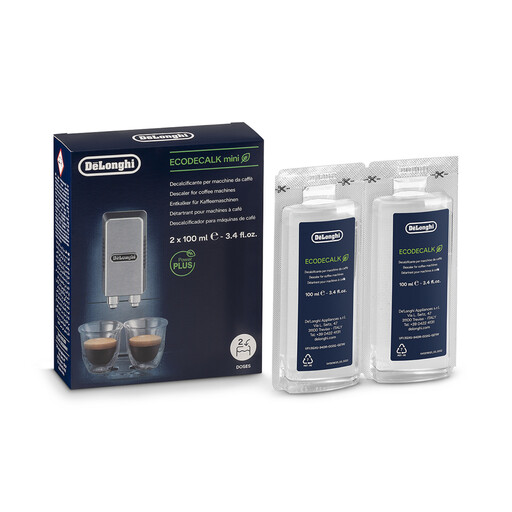
Why it suits this profile: The pack contains two 100 ml doses of liquid descaler and is designed for automatic coffee, espresso and manual espresso machines. According to the product information, the liquid can also be used in machines from other brands, but check the manual first.
The fixed amount in each bottle makes it easier to measure the dose than pouring it from a large bottle yourself. Always follow the instructions for your machine.
Liquid formula, 2 x 100 ml and, according to the manufacturer, plant-based, biodegradable ingredients. The bottle is made from 50% recycled plastic, according to the product information.
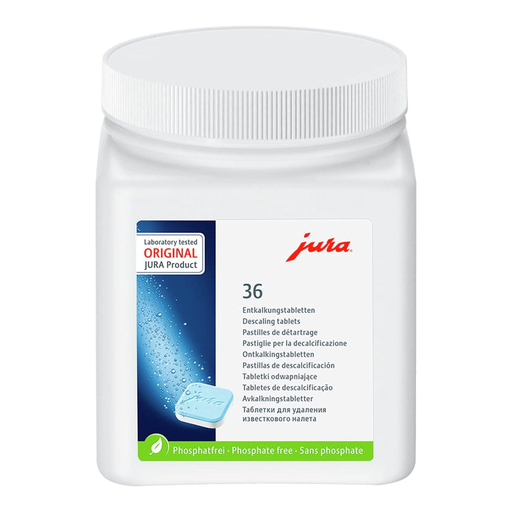
Why it suits this profile: This pack is designed for JURA bean-to-cup machines and contains 36 tablets, which, according to the product information, are enough for 12 descaling treatments. It’s a good choice for households that maintain their coffee machine regularly.
The number of tablets and cycles is clearly stated. This means you can compare the cost per maintenance treatment instead of looking only at the pack price.
36 tablets, suitable for JURA bean-to-cup machines and, according to the manufacturer, phosphate-free. Follow the dosage and programme in your machine’s manual.
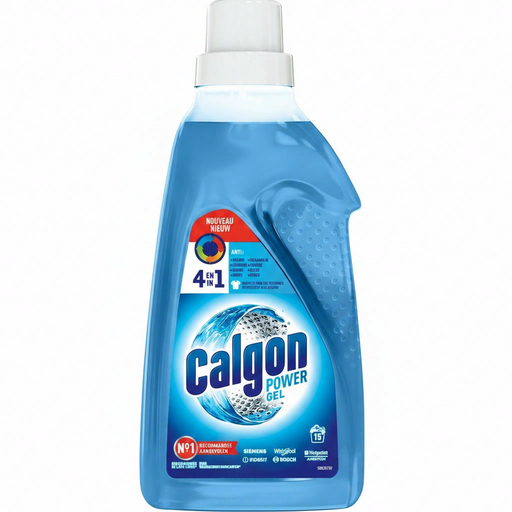
Why it suits this profile: This is a 750 ml gel for washing machine maintenance. The product information says it helps protect against limescale, residue and odours. Always follow the label for dosage and use.
Its intended use is clearly specified: washing machine maintenance. That means you won’t need to use a bathroom or coffee machine product on a different appliance.
750 ml gel, a 4-in-1 product variant and a formula designed specifically for washing machine maintenance.
We’ve put together a complete, up-to-date list of products that meet these strict selection criteria and current European safety requirements.
A water filter, such as a suitable coffee machine filter or a BRITA filter jug, can reduce the mineral content of the water you use. It won’t necessarily eliminate the need to descale, so follow the manufacturer’s maintenance schedule.
It depends on your water hardness, how many cups you make and the manufacturer’s advice. Some product information recommends an interval of around two to three months, but your machine’s programme or alert should take priority. A water filter may affect how often maintenance is needed.
Not necessarily. Tablets are convenient for machines with a set programme and a specified dose. Liquid descaler can be practical when the manual recommends a diluted solution. Choose based on compatibility, dosage and the number of treatments.
No, unless both the cleaning product manufacturer and the appliance manufacturer explicitly say it’s safe. A bathroom descaler may contain fragrances or ingredients that aren’t intended for the internal components of a coffee machine. Use a descaler designed for coffee machines and rinse according to the manual.
