
Vandaag of morgen in huis

Kwaliteit gegarandeerd

Welkomstaanbiedingen ontgrendelen: GRATIS bezorging | Tot 80% korting | Gratis 30 dagen JoyPlus-proefperiode
Download de app
Condensation on the windows, a musty smell in the cellar or laundry that takes ages to dry indoors: a dehumidifier can be a practical solution. However, it’s not a good idea to focus only on the highest litres-per-day figure or an unusually low price. The stated capacity is often measured in warm, very humid conditions, so it doesn’t tell you everything about everyday use in a typical home.
Features described as “quiet”, “energy-efficient” and “smart” can also mean different things from one model to another. Read on to find out which specifications really matter, which common pitfalls to avoid and which type is right for you.
A 16-litre-per-day model will usually reach its maximum capacity at a specific temperature and relative humidity. Its actual output is generally lower in a cooler bedroom or cellar. So use capacity as a point of comparison, not as a guaranteed amount of water it will collect in your room.
Also check the recommended floor area. An electric dehumidifier rated for 25 m² isn’t automatically suitable for an entire home with several separate rooms.
A compact dehumidifier for bedroom use may have a tank with a capacity of 1.4 to 2.5 litres. If there’s a lot of moisture, you’ll need to empty it regularly. A dehumidifier with a hose and continuous drainage is more practical if the appliance will be running for long periods, for example in a cellar, utility room or while drying clothes.
Make sure the hose can reach a suitable drain and run downhill under gravity. Without a sufficient drop, continuous drainage won’t work reliably.
Compressor models make noise from the fan and compressor. A quiet dehumidifier may be suitable for a bedroom, but check the stated noise level in dB(A) and see whether it applies only to sleep mode. A rating of 30 to 35 dB can be noticeably quieter than a model at around 48 to 50 dB, but your experience will also depend on where you place it and the surface it stands on.
A model with a capacity of 8 to 12 litres per day may be enough for a bathroom, bedroom or small utility room. For a living room, cellar or frequent use when drying laundry, 16 to 20 litres per day is more suitable. For very large spaces, check whether the stated area is given in m² or the volume in m³. These figures aren’t directly interchangeable.
Check the rated power in watts. A 200 W appliance theoretically uses 0.2 kWh when running continuously for one hour, but a humidistat can switch off the compressor automatically once the selected humidity level is reached. A timer and automatic humidity control can help prevent unnecessary running time.
Look out for terms such as “energy-efficient”, too. This isn’t a fixed performance standard. It’s better to compare the power rating, operating modes and how the appliance switches itself on and off.
A full-tank shut-off prevents the reservoir from overflowing. A removable, washable filter makes regular maintenance easier. If your model uses R290 refrigerant, follow the manufacturer’s safety instructions. Place the appliance on a stable surface, keep the air inlet and outlet clear, and don’t position it next to an open flame or heat source.
After transport or being tilted, a compressor dehumidifier should be left upright before you switch it on, in accordance with the product instructions. Always check the manual for your specific model.

Why it suits this profile: This model is designed for rooms of up to around 25 m² and offers useful features for everyday use without the need for smart controls.
Water can drain through the supplied hose. The appliance also switches off when the tank is full.
12 litres per day according to the product specifications, a 3.8-litre tank, automatic defrosting and a 24-hour timer.
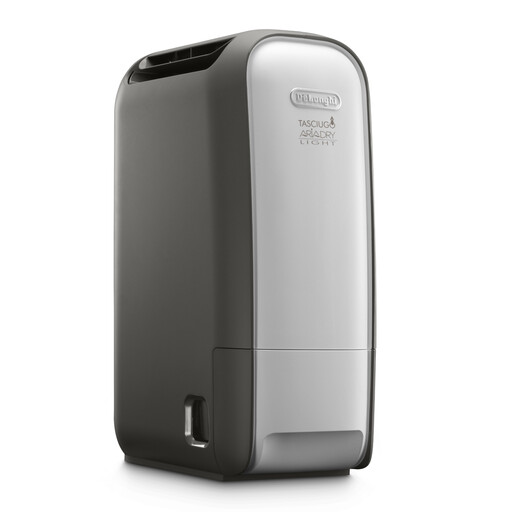
Why it suits this profile: Its compact design, LCD control panel and stated quiet operation make it a good fit for anyone who values ease of use in living rooms or bedrooms.
The product specifications state a noise level of 34 dB, three fan speeds and a timer. This lets you adjust the settings to suit when you’re using it.
Stated capacity of 7.5 litres per day, a 2.8-litre tank and a laundry-drying function. The stated power is 700 W.

Why it suits this profile: For larger rooms of up to around 40 m² and anyone who wants to schedule operation remotely or needs a dedicated drying mode.
Its stated capacity is paired with a 2.5-litre tank and the option of hose drainage. This means you won’t need to empty it by hand as often when using it intensively.
20 litres per day according to the product specifications, Wi-Fi control, 24-hour scheduling and a sleep mode. The technical specifications state 365 W and 40 dB(A).
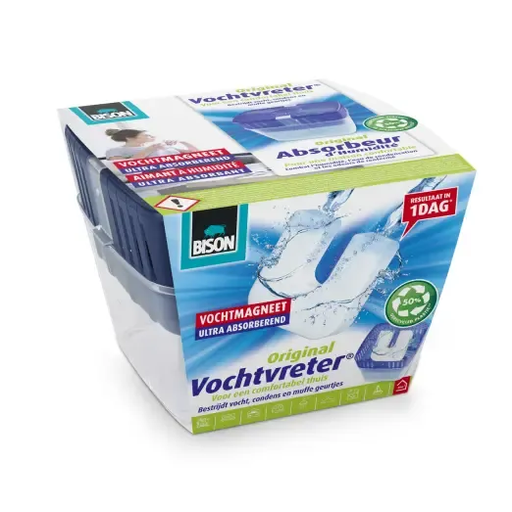
Why it suits this profile: A simple, electricity-free moisture absorber for places such as a wardrobe, caravan, garage or small storage space.
You don’t need a socket or compressor. This makes it a suitable choice for small, enclosed spaces where continuous electric dehumidification isn’t needed.
Works without electricity, includes a reservoir and can be refilled with suitable moisture-absorbing refills. It isn’t intended to replace an electric model in a large room.
We’ve put together a complete, up-to-date list of products that meet these strict selection criteria and the applicable European safety regulations.
Yes, if the model has a suitable sleep mode and a low stated noise level. Don’t place the appliance right next to your bed, and keep the air inlet and outlet clear. A relative humidity setting of around 40 to 60% is often used as a practical range, but the right choice depends on the room and your comfort.
That depends on its power rating and how many hours it runs. A 200 W appliance theoretically uses 0.2 kWh per hour when running continuously at that power. In practice, consumption may be lower if the humidistat switches off the compressor. Multiply your estimated kWh consumption by your current electricity tariff to work out a personal estimate.
A dehumidifier can lower relative humidity and help reduce condensation. However, it won’t automatically fix the cause of damp, such as a leak, insufficient ventilation or cold bridges. Ventilate the room, deal with any visible damp problems and follow the appliance’s maintenance and safety instructions.
