
Vandaag of morgen in huis

Kwaliteit gegarandeerd

Welkomstaanbiedingen ontgrendelen: GRATIS bezorging | Tot 80% korting | Gratis 30 dagen JoyPlus-proefperiode
Download de app
A bottle of cordial syrup might seem simple to choose, but the difference between fruit syrup, a ready-to-drink fruit beverage and dessert syrup is significant. Terms like "zero", "natural" and "with fruit" don't always tell you how much sugar, fruit juice or sweetener is actually inside.
With these points in mind, you can avoid a bad purchase and make a more informed choice for everyday use, a party, sparkling water or a special flavour such as mango syrup and passion fruit syrup.
A bottle of syrup needs to be diluted. A product like Bong Bong Grape, on the other hand, is a ready-to-drink beverage containing grape pieces, among other things. You wouldn't use it in the same way as a bottle of cordial syrup.
When comparing, look out for words like "syrup", "cordial" or "dilute". If a mixing ratio is stated on the packaging, for example 1 part syrup to 9 parts water, then the product is intended as a base for multiple glasses.
The ingredients list gives you more information than the front of the bottle. A tropical fruit syrup might contain apple, mandarin, pineapple, mango and passion fruit juice, but the proportions vary greatly from product to product.
So check:
A product with a pronounced mango or peach flavour doesn't necessarily contain much mango or peach.
A sugar-free cordial syrup contains no sugar according to the product information, but it may contain sweeteners. Also check the nutritional information table. With some products, the claim is on the bottle for the syrup, while the table shows a small amount of sugars. Also check whether the calories are stated per 100 ml of syrup or per glass of prepared cordial.
A 600 or 750 ml bottle can yield dozens of glasses, depending on the recommended dosage. Karvan Cevitam, for example, states a ratio of 1 part syrup to 9 parts water and up to 30 glasses per bottle. Raak also mentions approximately 30 glasses from one bottle.
Use a measuring cap or a consistent pouring method. This keeps the flavour consistent and stops you from using too much syrup. For a party, the yield per bottle is often more important than just the volume in millilitres.
Always compare the values per 100 ml. There are clear differences across the range:
A zero cordial syrup can therefore be suitable when you want to limit sugar and calories, but check whether you're happy with the sweeteners used.
Check the ingredients list for international fruit syrup and fruit cordial. Some varieties contain colourings, preservatives, thickeners or multiple sweeteners. For a household with allergies, it's wise to check the actual packaging, even if the online product information doesn't list any of the 14 main EU allergens.
Also pay attention to the storage instructions. Many syrups need to be refrigerated after opening. Close the bottle tightly and follow the best-before information on the label.
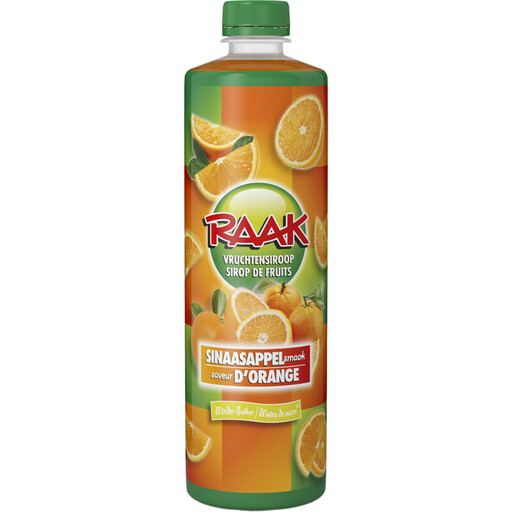
Why this fits the profile: A familiar orange flavour with a stated yield of approximately 30 glasses. Suitable for everyday use with still or sparkling water.
The product information clearly states the mixing application and number of glasses, so you won't confuse the bottle with a ready-to-drink beverage.
750 ml content; 28 kcal and 6.7 g sugar per 100 ml syrup according to the product information; labelled as vegan and gluten-free.
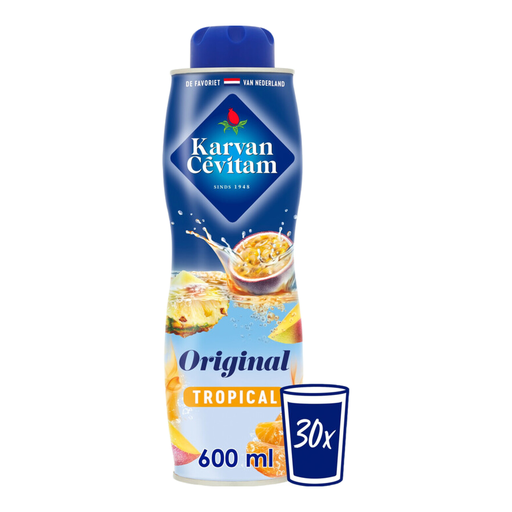
Why this fits the profile: For those looking for a blended tropical flavour with apple, mandarin, pineapple, mango and passion fruit.
The product information mentions the juice percentage and the individual fruit types, making the composition easier to assess than from the name "tropical" alone.
600 ml; up to 6 litres or 30 glasses according to the product information; 75% juice from concentrate is stated.
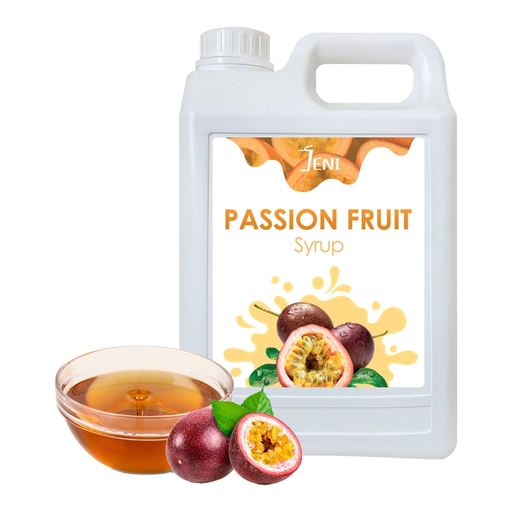
Why this fits the profile: The large pack is practical for catering, parties or households that often make passion fruit cordial and mocktails.
The 1.9-litre volume makes the frequency of use clear. This allows you to compare the price per glass rather than just looking at the bottle price.
1.9 litres; passion fruit juice listed in the ingredients; suitable for water, sparkling water and mixed drinks.
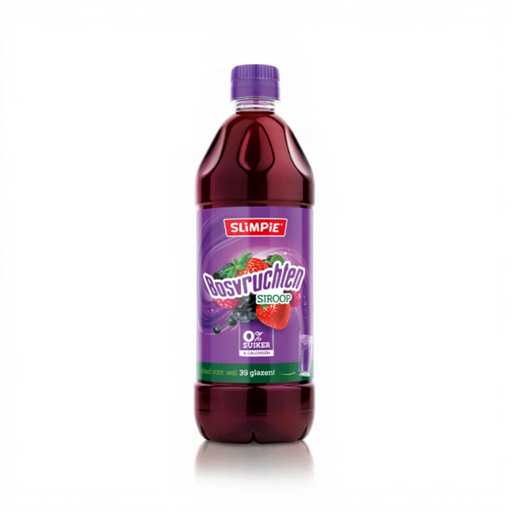
Why this fits the profile: An option for those looking for forest fruit syrup with 0 g sugar and 0 g carbohydrates according to the stated nutritional values.
The product information states both the fruit percentage and the sweeteners used. This shows you that sugar-free is not the same as without sweeteners.
Forest fruit flavour; 6% juice from concentrate; 1 kcal and 0 g sugar per 100 ml according to the product information.
We've put together a full, up-to-date list of products that fully meet these strict selection criteria and comply with current European safety regulations.
For a consistent flavour, you can use this method:
A syrup for sparkling water often works well at a party, but store opened bottles according to the label. For desserts, it's better to check whether the product is intended for that purpose. Jam, compote and pomegranate syrup sauce are not automatically suitable as a cordial base.
That depends on the mixing ratio and the bottle size. Many 600 to 750 ml bottles are stated to make approximately 30 glasses. Always check whether this number is based on 200 ml glasses and what ratio of syrup to water is used.
Fruit syrup often contains sugar and fruit juice or flavourings. A sugar-free variety typically uses sweeteners instead of sugar. Compare the ingredients and nutritional values per 100 ml, because "zero" doesn't automatically tell you anything about the amount of fruit juice or the type of sweetener.
The shelf life varies by brand and product. Many syrups need to be refrigerated after opening and used within the period stated on the label. Close the bottle tightly, don't use products in damaged packaging and always follow the current information on the product packaging.
