
Vandaag of morgen in huis

Kwaliteit gegarandeerd

Welkomstaanbiedingen ontgrendelen: GRATIS bezorging | Tot 80% korting | Gratis 30 dagen JoyPlus-proefperiode
Download de app
Conditioner can help detangle your hair, leave it feeling softer and make it easier to style. However, not every conditioner suits every hair type. A rich formula can leave fine hair limp, while a lightweight conditioner may not provide enough care for dry or damaged hair.
Product packaging can also be confusing. Words such as “repair”, “intense” and “nourishing” don’t tell you much about the formula on their own. Instead, pay close attention to the directions for use, the size, the ingredients and what the conditioner is intended to do.
Terms such as “repair conditioner” or “keratin conditioner” don’t guarantee that damaged hair will be repaired in the long term. According to a brand’s product description, for example, a formula may leave your hair feeling softer or help with detangling. That’s not the same as a medical or lasting effect.
So check:
A 200 ml conditioner may seem cheaper than a 440 ml bottle, but comparing the price per 100 ml gives you a fairer picture. Look out for multipacks, too. A pack of six Syoss Intense Keratin bottles may be convenient if you use a lot of conditioner, but it’s less suitable if you want to try the formula first and see how it suits your hair.
A nourishing conditioner containing oils, butters or a rich-textured formula can feel lovely on dry or frizzy hair. On fine hair, however, the same formula may feel heavy. It’s usually best to apply conditioner to the lengths and ends, rather than directly to your scalp, unless the packaging says otherwise.
Start by choosing the main benefit you’re looking for:
Compare the number of millilitres and the number of items. For occasional use, 200 to 250 ml is often a manageable size. If you use conditioner regularly, a 440 ml bottle or a multipack may mean you’re less likely to run out. When buying conditioner, work out the price per 100 ml to compare offers more easily.
Always check the current ingredients list on the packaging, as product information can change. Pay particular attention to fragrance, preservatives and any ingredients you’re sensitive to. A product described as “paraben-free” or “silicone-free” isn’t automatically suitable for everyone.
If the product gets in your eyes, the safety instructions will usually advise you to rinse them immediately with water. Stop using it if irritation occurs and follow the directions on the label.
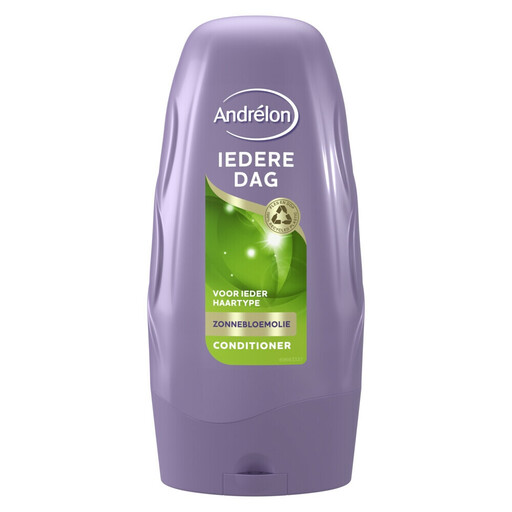
Why it suits this profile: According to the product description, this formula is intended for everyday use and all hair types. That makes it a practical starting point if you’re looking for a straightforward conditioner.
The size and directions for use are clearly stated. You can start with a single bottle instead of buying a large multipack straight away.
250 ml, suitable for all hair types according to the product specifications, with sunflower oil in the formula.
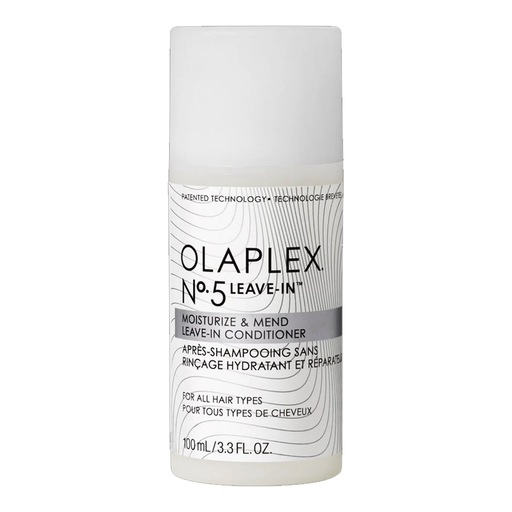
Why it suits this profile: This leave-in conditioner is for anyone who wants extra care after washing without rinsing it out. According to the product description, it’s mainly intended for dry or damaged hair.
The directions are clearly different from those for a rinse-out conditioner: apply to towel-dried hair and don’t rinse out. That makes it clear how the product is meant to be used.
100 ml, no rinsing required, and a formula that includes glycerine, panthenol and oils according to the ingredients list.
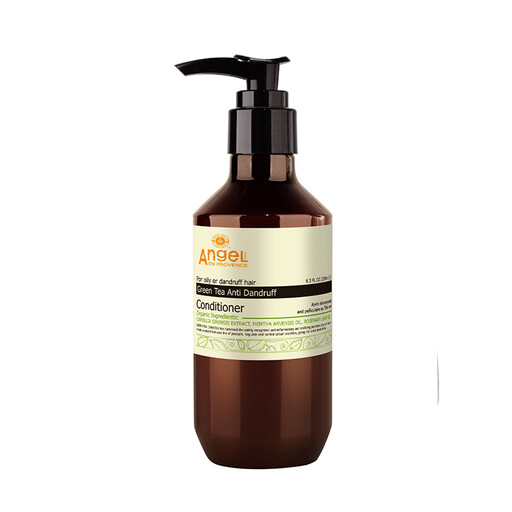
Why it suits this profile: According to the product description, this conditioner is designed to complement the green tea shampoo and focuses on detangling and caring for the scalp.
The recommended leave-in time of 3 to 5 minutes and application to the mid-lengths and ends are clearly stated. The anti-dandruff claim remains a statement from the product information.
250 ml, with green tea extract and shea butter, and described as helping with detangling and moisture retention.
We’ve put together a complete, up-to-date list of products that meet these strict selection criteria and the applicable European safety regulations.
A small amount is often enough for fine hair. Dry, curly or long hair may need more conditioning, but using more doesn’t automatically mean you’ll get a better result.
According to the product information, a conditioner for everyday use can be applied every time you wash your hair. If you have fine hair, use a small amount and avoid applying it to the roots. If your hair is dry or damaged, a nourishing conditioner may feel good to use more often, depending on how your hair feels.
Check the symbol on the packaging. Many products state how long they can be used after opening, for example 12M, which means twelve months after opening. Keep the bottle closed and always follow the latest information on the label.
A regular conditioner is rinsed out after a few minutes. A leave-in conditioner, such as Olaplex Nº.5 LEAVE-IN, is left in the hair according to the instructions for use. Don’t automatically use the two in the same way: always check the label and adjust the amount to suit your hair type.
