
Vandaag of morgen in huis

Kwaliteit gegarandeerd

Welkomstaanbiedingen ontgrendelen: GRATIS bezorging | Tot 80% korting | Gratis 30 dagen JoyPlus-proefperiode
Download de app
Dry, damaged or frizzy hair does not automatically require a cabinet full of products. A simple routine often works better: conditioner after washing, a hair mask when the lengths need extra care and, if needed, a leave-in product for styling. The right choice depends on your hair type, the level of damage and how often you blow-dry, straighten or colour your hair.
Words such as “repair”, “reconstruction” and “instant shine” sound appealing, but they do not always explain how a product will work for your hair. According to a brand’s own research, for example, certain results may have been measured under specific conditions of use. Therefore, pay particular attention to the product category, ingredients, volume and directions for use.
A conditioner can make hair feel smoother and easier to detangle. That does not mean split ends are permanently repaired. When hair is severely damaged, trimming is often still the most practical solution.
A hair oil for frizzy hair can make the lengths appear smoother, but a generous amount can weigh down fine or easily greasy hair. Start with one drop or one pump and apply the product only to the lengths and ends. Do not routinely apply oil to the scalp unless the packaging explicitly recommends it.
A hair mask for damaged hair is generally more concentrated than a regular conditioner. Daily use can leave fine hair feeling limp and make your routine unnecessarily expensive. Check the recommended frequency: some masks are intended for once or twice a week, while others can be used briefly after every wash.
Look for conditioning ingredients such as glycerine, plant oils, shea butter, panthenol, proteins and conditioning agents. Silicones such as dimethicone can temporarily make hair feel smoother and help reduce friction. If you prefer to avoid silicones, look for products that state this clearly, such as the Shiseido Ma Cherie Silicone Free Moisturizing Conditioner.
If you have sensitive skin, always check the current ingredients list on the packaging. Fragrance ingredients such as limonene, linalool and coumarin may be potential concerns for some people. Product information can change, so the packaging should be considered definitive.
A 440 ml bottle may appear economical, but the cost per use depends on your hair length and how much product you need. A concentrated formula may last longer than a large bottle that requires generous application. Also check the period after opening, often indicated by, for example, 12M.
Dosage is particularly important for leave-in products. Apply serum to towel-dried or dry hair, focusing on the ends. Avoid contact with the eyes and rinse out the product whenever the directions for use require it.
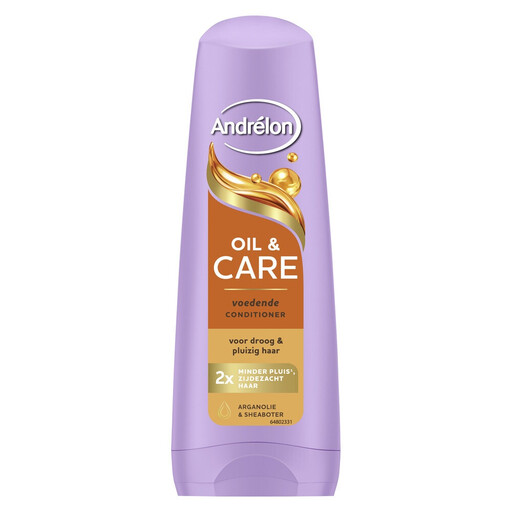
Why This Fits Their Persona: An accessible conditioner for adults with dry, frizzy hair who want to keep their routine simple.
The product description mentions argan oil and shea butter and recommends applying the conditioner to the lengths. This makes the dosage easier to control than with a rich mask.
200 ml, intended for dry hair, with argan oil, shea butter and glycerine. According to the product information, the formula is vegan and paraben-free.
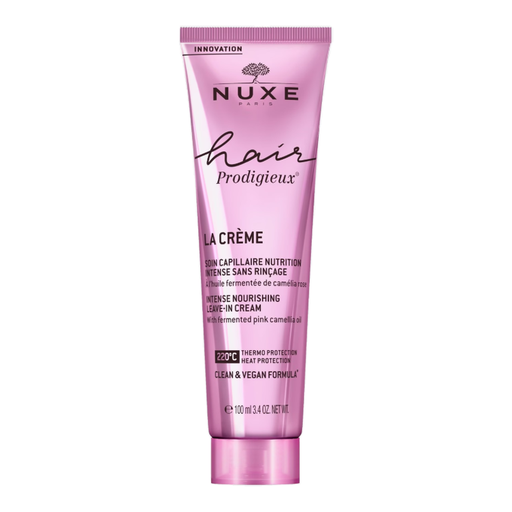
Why This Fits Their Persona: Ideal for anyone who wants to detangle and smooth hair quickly after washing without adding another rinse-out step.
The lightweight cream is a leave-in product. Start with a small amount and apply it only to the lengths and ends, helping fine hair feel less weighed down.
100 ml, no rinsing required, with botanical oils such as camellia, argan and sweet almond oil, according to the product description.
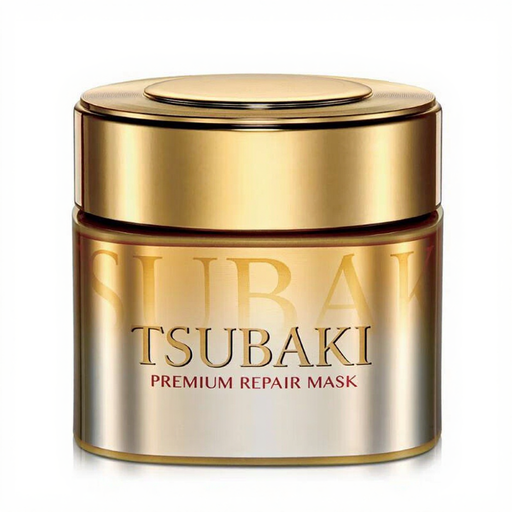
Why This Fits Their Persona: Suitable for adults with dry, coloured or chemically treated hair who want to add an intensive treatment once or twice a week.
The directions specify a leave-in time of 5–10 minutes and use once or twice a week. This helps prevent overuse of a rich mask.
180 g, with camellia seed oil and proteins according to the product information. The packaging states that the formula is sulfate- and paraben-free.
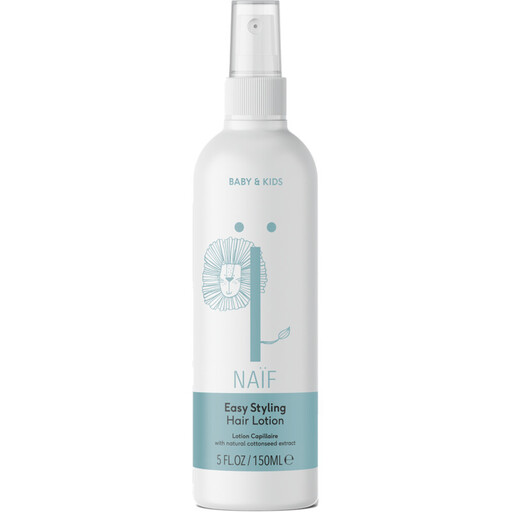
Why This Fits Their Persona: For parents who want to style tangles and flyaway hair more gently in babies and children.
The lotion is intended for dry or damp hair and is combed through in a small amount. This helps avoid unnecessary product use.
150 ml, an anti-tangle formula and a gentle fragrance. According to the product description, the fragrance does not contain the 26 most common allergens.
Browse a current selection of post-shampoo hair-care products and compare conditioners, masks, serums and oils by function, volume and use.
A keratin conditioner may be worth considering for hair that feels limp or damaged, but always compare the ingredients list and directions for use. For shiny, soft hair, a smoothing formula is not the only factor: drying your hair gently, reducing heat exposure and trimming the ends regularly also make a difference.
Start with a conditioner for dry hair, then use a lightweight leave-in cream or hair oil for frizz if needed. Choose a small amount and apply the product only to the lengths and ends. For fine hair, a lightweight formula is generally more practical than a rich mask at every wash.
This depends on the packaging and your hair texture. An intensive mask is often used once or twice a week. If your hair feels limp, weighed down or becomes greasy quickly, reduce the amount or use the mask less often.
A 200–250 ml bottle may last several weeks on short hair, while long or thick hair will use it up more quickly. Use the recommended amount, store the product according to the label and note the date you opened it. This will help you estimate the cost per use more accurately.
