
Vandaag of morgen in huis

Kwaliteit gegarandeerd

Welkomstaanbiedingen ontgrendelen: GRATIS bezorging | Tot 80% korting | Gratis 30 dagen JoyPlus-proefperiode
Download de app
Does your hair feel dry, frizzy, or damaged, despite the promises on the bottle? You're not alone. The shelves are packed with conditioners that promise shine, repair, and hydration, but often fail to deliver the desired results. The reason is that many products focus on marketing claims rather than the actual needs of your hair.
Before you make another purchase you'll regret, it's helpful to recognise the most common pitfalls:
By understanding these points, you can search more effectively for a product that truly works for your hair type.
To avoid a bad purchase, it's important to focus on a few key specifications. Don't just look at the front of the packaging; look at what's actually in the product and what it does.
A silicone-free conditioner is a deliberate choice if you notice your hair quickly becomes heavy or greasy. Silicones like Dimethicone or Cyclomethicone aren't necessarily harmful, but they can accumulate. If you have fine hair, care for your curls according to the Curly Girl (CG) method, or simply want a lighter formula, a silicone-free option is often a better choice. These formulas often use natural oils or fatty alcohols to make the hair soft and manageable.
This is perhaps the most important distinction.
The application method also influences the result.
Based on objective product features, we have selected a number of options that suit different needs and budgets.
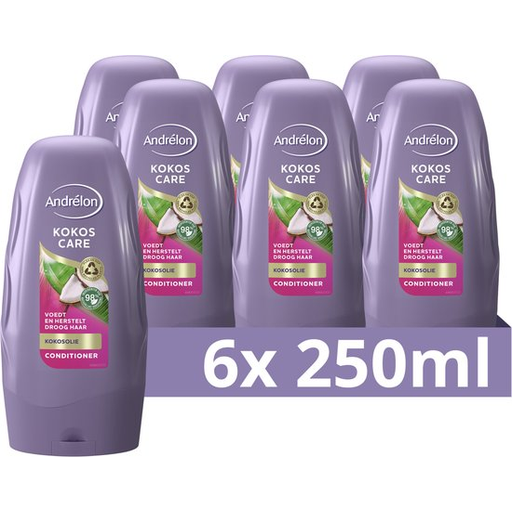
Why This Fits Your Profile: Ideal if you are seeking an effective, affordable, and silicone-free solution for daily use, especially if you follow the CG method or simply want a lighter formula that doesn't weigh your hair down.
This product avoids the pitfall of heavy silicones that can cause build-up. The formula focuses on hydration with coconut oil without weighing the hair down, a common problem with lower-priced conditioners.
CG-friendly and made with 98% naturally derived ingredients. Provides light hydration and is suitable for daily use.
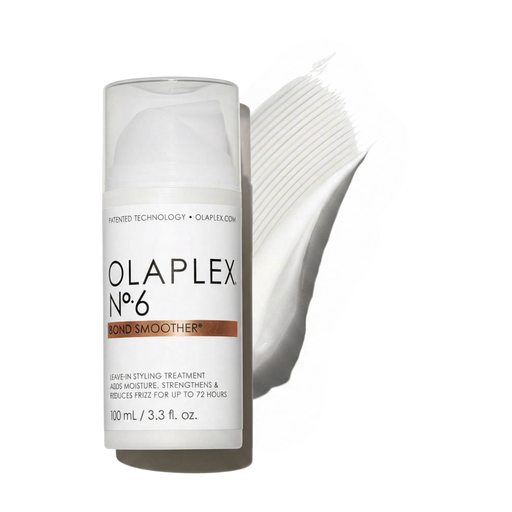
Why This Fits Your Profile: Perfect if you invest in your hair's health, especially after chemical treatments or with severe damage. This is a concentrated leave-in treatment, not a regular conditioner.
Where many products only mask damage, Olaplex's technology, according to the brand, focuses on repairing broken disulfide bonds in the hair. It addresses the core of the damage rather than applying a cosmetic layer.
Concentrated repairing formula. According to the manufacturer, it provides up to 72 hours of frizz control and heat protection up to 232°C (450°F).
We have compiled a complete, up-to-date list of products that meet these selection criteria and comply with UK & EU regulations.
For dry and damaged hair, it is recommended to use a conditioner after every wash. This helps to seal the hair cuticles, lock in moisture, and protect the hair. If your hair is extremely dry, a daily application of a small amount of leave-in conditioner on the ends can help keep it hydrated.
Generally, this is not recommended. Conditioner is intended for the lengths and ends of your hair, which are the driest parts. Applying it to the scalp can clog hair follicles and make the hair greasy faster, especially if you have fine hair. There are exceptions, such as specific conditioners also designed for a dry or sensitive scalp, like the Dancoly Green Tea conditioner. Always read the instructions for use.
A conditioner is designed for frequent use (after every wash). The formula is lighter and its main purpose is to detangle, smooth, and seal the hair cuticles. A nourishing hair mask is a more intensive treatment with a higher concentration of nourishing ingredients. You typically use a mask once a week and leave it in for longer (5-20 minutes) to penetrate deep into the hair fibre for intensive repair and hydration.
