
Livraison le jour même et le lendemain

Qualité garantie

Débloquez vos offres de bienvenue: Livraison GRATUITE | Jusqu'à -80 % | 30 jours d'essai gratuits à JoyPlus
Téléchargez l'application
A hair conditioner can leave your hair softer, easier to comb and simpler to style. However, not every formula suits every hair type. A lightweight conditioner may not provide enough care for bleached hair, while a rich formula can weigh down fine curls.
If you focus mainly on words such as “repair”, “shine” or “72-hour frizz control”, you also risk choosing a product that doesn’t fit your routine. Read on to find out what to look for in a conditioner, leave-in conditioner, hair mask or intensive hair treatment.
Claims such as “repair”, “definition” and “anti-frizz” usually describe what a product is intended to do. They don’t guarantee the same results for every hair type. For example, according to its product description, Andrélon claims up to 72 hours of frizz control for the Perfect Curl Light Leave-in Conditioner. Results can depend on factors such as humidity, how much product you use and the condition of your hair.
So, check the details you can verify too, such as the ingredients, size, directions for use and product type.
Oils, butters, silicones and rich conditioners can feel good on dry or thick hair. On fine hair or loose waves, however, they can reduce volume. A leave-in conditioner is also a product that you don’t rinse out. Start by applying a small amount to the lengths and ends of your hair.
A hair mask is often more concentrated than a regular conditioner. Some masks are designed to be used once or twice a week, for example instead of your usual conditioner. Using one every day can waste product and leave your hair feeling weighed down. Always check the instructions on the packaging.
If you’re looking for silicone-free haircare, check the ingredients list. According to the product information, Andrélon Perfect Curl Light Leave-in Conditioner is described as silicone-free and contains glycerine, coconut oil and hydrolysed wheat protein, among other ingredients.
Other products contain silicones, which can make your hair feel smoother and easier to comb. That doesn’t make them automatically good or bad: it depends on your preferences, hair texture and routine. Also check whether a product is vegan, paraben-free or sulphate-free if that matters to you. These properties don’t automatically apply to the entire product range.
A 200 ml product and a 385 ml bottle aren’t directly comparable unless you also consider how much you need to use each time. You’ll usually use a small amount of leave-in conditioner, while a rinse-out conditioner can run out more quickly if you have long or thick hair.
Also check:
The European Cosmetics Regulation (EC) No 1223/2009 sets requirements for cosmetic products sold in the EU. For the latest information, always check the label and manufacturer details.
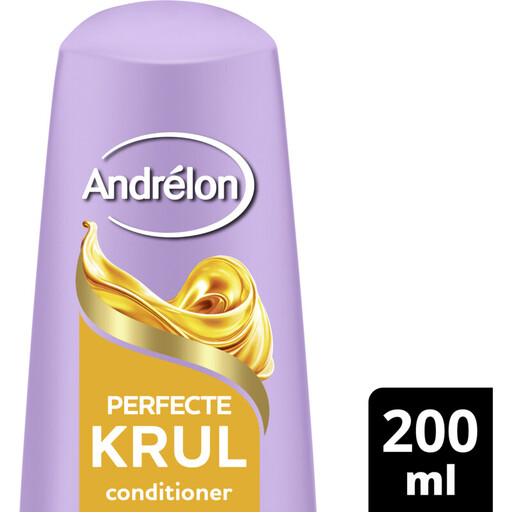
Why it suits this profile: A regular rinse-out conditioner is straightforward to use and suits anyone looking to try haircare for curls or waves. According to the product description, this formula contains argan oil and wheat protein.
The directions and ingredients are clearly listed. You don’t need to use a leave-in product if you prefer a rinse-out conditioner and want to adjust the amount easily.
200 ml; designed for curls and waves; the ingredients list includes dimethicone, argan oil and wheat protein, among other ingredients.
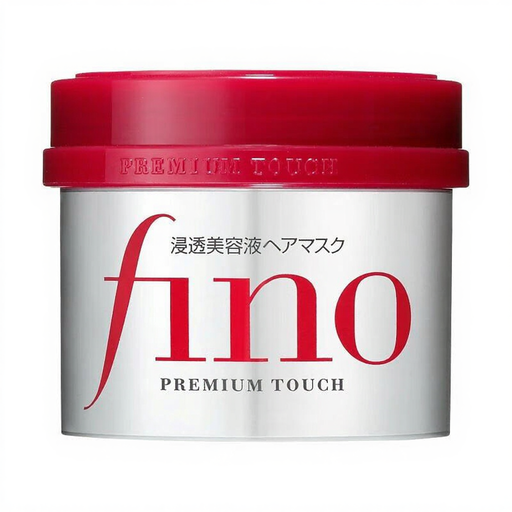
Why it suits this profile: This hair mask is designed for dry, dull and frizzy hair. The directions recommend using it once or twice a week instead of conditioner.
The limited recommended frequency helps prevent you from using an intensive formula every day. The packaging also states that the product is not silicone-free.
230 g; designed as a hair mask; suitable for all hair types according to the product information; has a shelf life of twelve months after opening according to the packaging.
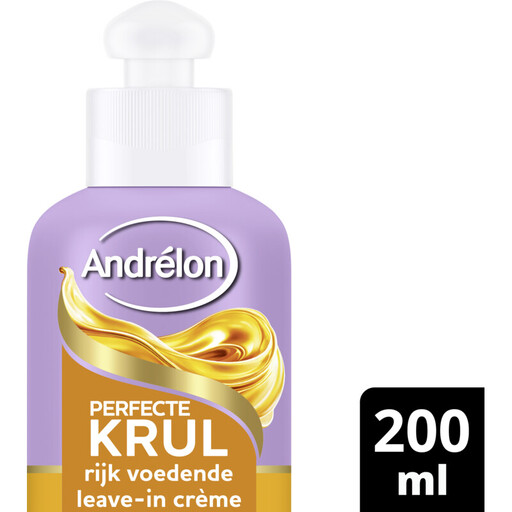
Why it suits this profile: According to the product information, this leave-in conditioner is silicone-free and designed for curls that need care without feeling weighed down. You can apply it to damp or dry hair.
The lightweight leave-in formula is designed for everyday use and doesn’t need to be rinsed out. Start with a small amount to avoid weighing down fine curls.
200 ml; silicone-free formula according to the product description; contains coconut milk and hydrolysed wheat protein; packaging is made from 100% recycled plastic according to the manufacturer.
We’ve put together a complete, up-to-date list of products that meet these strict selection criteria and the applicable European safety requirements.
Apply a rinse-out conditioner to the lengths and ends of damp hair, rather than routinely applying it to your scalp. Leave it on for as long as stated on the packaging, then rinse thoroughly. Leave-in conditioner stays in your hair, and you only need to use a small amount.
It depends on the formula. Many hair masks are designed to be used once or twice a week. Use a mask to complement your routine, rather than automatically replacing your conditioner every time you wash your hair.
No. Silicone-free haircare may suit you if you prefer a lighter routine or want to choose specific ingredients. Silicones can make the surface of your hair feel smoother and make it easier to comb. Choose according to your hair type, styling routine and personal preference.
