
Vandaag of morgen in huis

Kwaliteit gegarandeerd

Welkomstaanbiedingen ontgrendelen: GRATIS bezorging | Tot 80% korting | Gratis 30 dagen JoyPlus-proefperiode
Download de app
Dry, brittle or frizzy hair doesn’t automatically call for the most expensive product on the shelf. When choosing haircare for dry and damaged hair, the main things to consider are your hair type, how you want to use the product and which ingredients your hair responds well to. A conditioner for dry hair may be suitable for everyday use, while a hair mask for dry hair is more of a weekly treat.
If you focus only on words such as “repair”, “bond repair” or “intensive nourishment”, you risk buying a product that’s too heavy, runs out quickly or doesn’t suit your routine. Use these practical points to compare conditioners, hair masks, hair oil and leave-in haircare more effectively.
Terms such as “repairs from within”, “repairs hair fibres” and “salon results” sound convincing, but they don’t mean split ends will be permanently repaired. According to the brand’s product description, the Peptide-132 treatment is designed to strengthen damaged keratin bonds. This is a claim made by the brand, not a general guarantee for every hair type.
So, look for information you can check:
Shea butter, oils, silicones and keratin can make hair feel smoother, but a rich formula may weigh down fine hair or hair that gets greasy quickly. So, apply conditioner for damaged hair mainly to the lengths and ends. Your scalp usually doesn’t need a thick layer of conditioner.
A richer hair mask may be just the thing for dry, curly or thick hair. Lightweight leave-in haircare is often a better fit for fine hair, especially if you want to detangle it every day or smooth frizz.
A large bottle may look like good value, but how quickly you use it up can vary considerably. For example, you might use a mask once or twice a week, while a daily conditioner may run out sooner. Compare the pack size with how often you’ll use it. A 90 ml pack, such as Sol de Janeiro Brazilian Joia Conditioner, is particularly handy for travel or for trying out a formula first.
Hydrating hair products often contain humectants such as glycerine or panthenol. Oils and conditioners can also help hair feel smoother. The difference matters:
No ingredient works the same way for everyone. If you have sensitive skin, check the ingredients list and stop using the product if irritation occurs. Cosmetic products are for external use; avoid contact with your eyes.
Conditioner is usually rinsed out after a few minutes. A hair mask often needs to be left on for longer. For example, Dancoly Orange Flower Mask states a leave-on time of 5 to 10 minutes. A leave-in product stays in your hair and is usually applied in a small amount to the lengths and ends.
Here are the practical differences to bear in mind:
Claims such as vegan, paraben-free or sulphate-free only apply when they’re stated in the product information or on the packaging. Sol de Janeiro Brazilian Joia Conditioner is described in the product information as vegan, paraben-free and sulphate-free. Andrélon Every Day Conditioner states that its packaging is made from recycled and recyclable materials. Always check the current packaging before buying, as ingredients and packaging information may change.
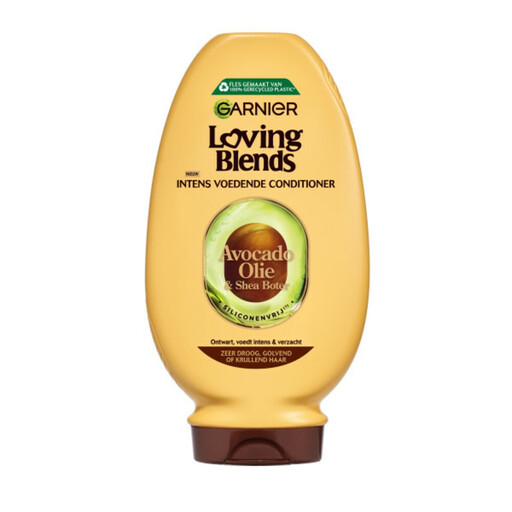
Why it suits this profile: According to the product information, this conditioner is designed for very dry to frizzy hair and contains avocado oil and shea butter. That makes it an easy first step in a simple routine.
It’s easy to use: apply after washing, massage in briefly and rinse out. Focus on the lengths to avoid weighing down fine hair unnecessarily.
250 ml capacity; product information states it contains 97% ingredients of natural origin, plus avocado oil and shea butter.
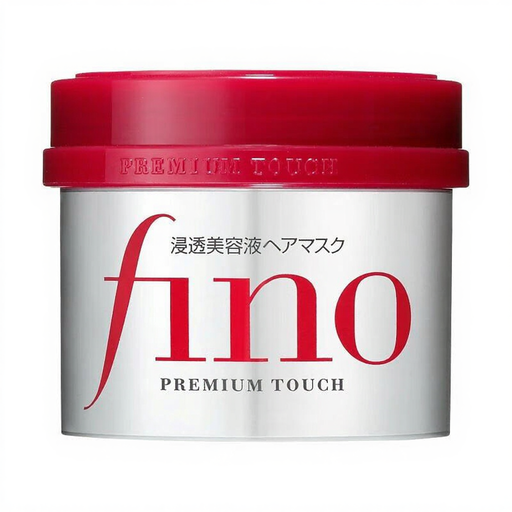
Why it suits this profile: This rinse-off mask is for dry, damaged, frizzy or dull hair. The product information recommends using it once or twice a week instead of conditioner.
Using it occasionally means you won’t be applying a rich formula every day. Check whether silicones in the ingredients list suit your preferences.
230 ml capacity; pH-neutral according to the product details; designed as a hair mask for more intensive care.
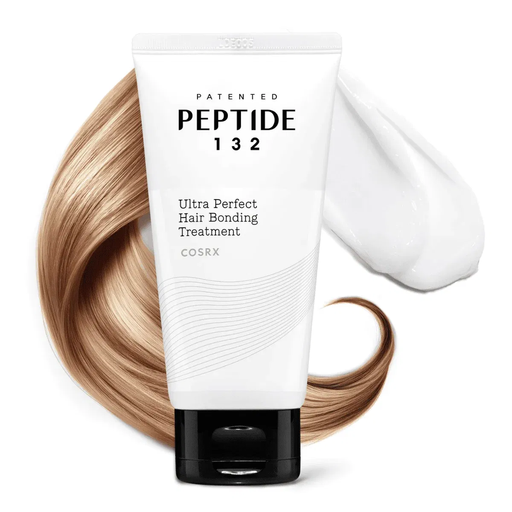
Why it suits this profile: This treatment is designed for dry, brittle and damaged hair. According to the brand’s description, the formula contains peptide-132, collagen and hyaluronic acid, among other ingredients.
The instructions are specific: apply to the lengths and ends after shampooing, then rinse thoroughly. This helps you avoid applying unnecessary product to your scalp.
120 ml capacity; contains several nourishing oils, ceramides and amino acids according to the ingredients list.
We’ve put together a complete, up-to-date list of products that meet these strict selection criteria and the applicable European safety regulations.
Start with a conditioner that suits your everyday washing routine. Use a hair repair treatment or mask once or twice a week if your hair is dry, coloured or damaged by styling. A leave-in cream, such as Nuxe Hair Prodigieux Leave-In Cream, can then help detangle and smooth your hair.
For extra shine and anti-frizz care, work a small amount of oil through towel-dried or dry hair. According to its product description, OGX Argan Oil of Morocco Penetrating Oil offers protection against heat from styling and UV damage. This is a brand claim; also use a suitable heat protectant when using a hairdryer or straighteners.
Start by applying a small amount of product. Using more won’t necessarily give your hair extra care and may leave it looking limp or greasy. Always follow the latest instructions on the packaging.
Conditioners for dry hair often contain nourishing oils, glycerine or other conditioning ingredients. Choose a formula to suit your hair’s length and thickness. Fine hair usually needs less product than thick or curly hair. Apply conditioner from the mid-lengths down and rinse it out thoroughly.
It depends on the formula and the condition of your hair. Many masks are designed to be used once or twice a week instead of a regular conditioner. Check the leave-on time and start with a small amount. If your hair feels weighed down or lifeless, you can use the mask less often.
Hair oil can visibly reduce frizz by making the hair’s surface feel smoother. The effect depends on how much you use, your hair texture and the humidity. Work a few drops through the lengths and ends, and avoid applying a large amount near the roots. For curls, an anti-frizz spray or leave-in product may be better suited to the style you want.
