
Vandaag of morgen in huis

Kwaliteit gegarandeerd

Welkomstaanbiedingen ontgrendelen: GRATIS bezorging | Tot 80% korting | Gratis 30 dagen JoyPlus-proefperiode
Download de app
Dry, frizzy or brittle hair doesn’t always need the same care. A conditioner for dry and damaged hair can leave it feeling smoother and easier to comb, but the right choice depends on your hair type, how damaged it is and your daily routine.
Many shoppers pay too much for a product that isn’t right for their hair. So don’t just look for words such as “repair”, “intensive” or “professional”. Pay particular attention to the ingredients list, instructions and texture.
Damaged lengths can’t be permanently restored to their original condition. A repairing conditioner can temporarily smooth the hair’s surface and make it easier to comb. Claims about repairing hair bonds or reducing breakage come from brands, so they shouldn’t be taken as guaranteed results.
According to OGX’s product description, the Bond Protein Repair conditioner is designed for dry, brittle and damaged hair. Its Lipi Pro Shield technology is said to help support the protection of proteins and lipids. Always check the full product information for claims like these, and use the product as directed.
A rich conditioner containing oils, butters and silicones can feel good on thick, dry or frizzy hair. On fine hair, however, the same formula can leave it feeling limp or weighed down. A lightweight leave-in conditioner or hair serum may be more practical than an intensive hair mask.
A conditioner for coloured hair can help keep it feeling smooth and support its shine. That doesn’t automatically mean the colour won’t fade. According to L’Oréal Elvital Color Shine’s product description, the conditioner is formulated with vitamin Cg and a UVB filter, and protection for up to 40 washes is mentioned. This is a brand claim; your results also depend on the colour used, heat styling, sunlight and how often you wash your hair.
Use this practical guide:
Hair conditioners often contain a combination of conditioning agents, oils, humectants and film-formers. Cetyl alcohol and cetearyl alcohol, for example, are fatty alcohols that can leave your hair feeling soft; they’re not the same as drying types of alcohol.
Glycerine helps attract moisture, while silicones such as dimethicone or amodimethicone can leave the hair’s surface feeling smooth. That isn’t necessarily good or bad. It depends on your preference, hair type and how you wash your hair.
If you have a known allergy or a sensitive scalp, check the label for fragrance ingredients and preservatives. Ingredients can change, so always use the packaging as the most up-to-date source of information.
A regular conditioner is usually applied after washing, from the mid-lengths to the ends. Avoid the scalp if your hair gets greasy quickly. A hair mask often needs to be left on for longer and can be used, for example, once or twice a week.
A leave-in conditioner, hair oil or hair serum isn’t rinsed out. Start with a small amount. Too much product can weigh down fine hair or leave a greasy film. When trying a new product, it’s a good idea to start with a small amount and follow the instructions on the packaging.
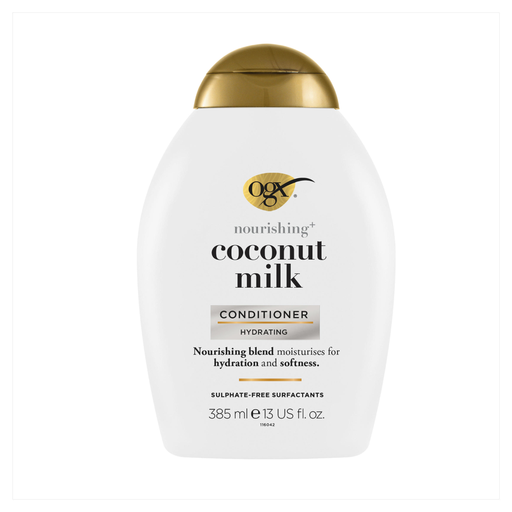
Why it suits this profile: An everyday conditioner for anyone who wants to care for dry hair without buying several products straight away. The product description lists coconut milk, proteins and coconut oil as ingredients in the formula.
The instructions are clear: apply to the lengths and ends, leave for 3 to 5 minutes, then rinse thoroughly. This helps you avoid using too much.
385 ml; described as suitable for dry and damaged hair; clear leave-in time.
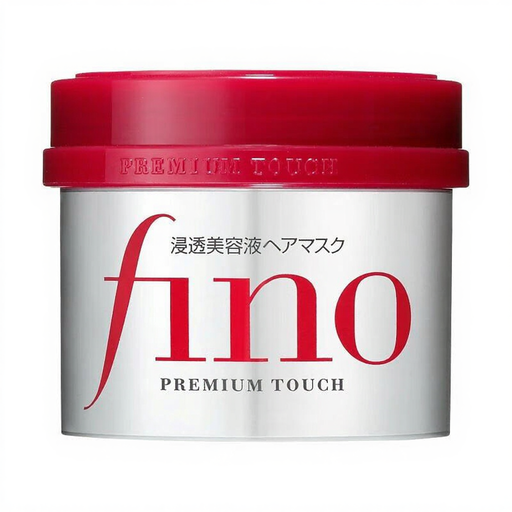
Why it suits this profile: An intensive treatment for dry, frizzy or damaged hair. The product information recommends using it once or twice a week instead of a regular conditioner.
The recommended frequency helps prevent a rich hair mask formula from being used every day and weighing your hair down.
230 ml; designed as a hair mask; the product description mentions Royal Jelly EX and Lipudure.
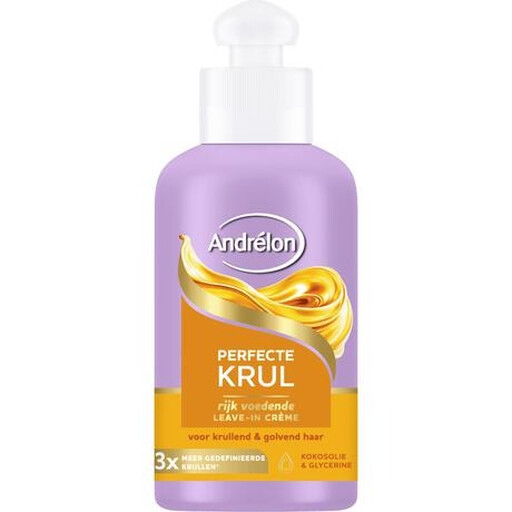
Why it suits this profile: This leave-in cream is designed to moisturise and define natural curls. The product description mentions coconut oil and glycerine, and recommends scrunching it into damp or dry hair.
As a leave-in product, it isn’t rinsed out. Start with a small amount to avoid leaving fine curls feeling weighed down or greasy.
200 ml; leave-in application; product description says it’s specifically designed to define curls and control frizz.
We’ve put together a full, up-to-date list of products that meet these strict selection criteria and current European safety regulations.
You can usually use a regular conditioner after every wash, as long as you apply it only to the lengths and ends. A rich hair mask is generally used once or twice a week. Pay attention to how your hair responds: limp hair may benefit from using less product, while thick or very frizzy hair may sometimes need a more intensive routine.
A hair mask isn’t automatically better. A conditioner is practical for everyday use and helps leave your hair feeling smoother and easier to comb. A hair mask usually has a richer texture and can be used as an additional treatment for extra-dry or treated hair. Don’t routinely use both at the same time unless the product instructions recommend it.
That depends on your hair and styling routine. A leave-in conditioner can be useful for curls, tangles and frizzy lengths. Hair oil or serum is usually applied in a small amount to the ends for extra smoothness. If you often blow-dry your hair or use straighteners, you could also consider a product that specifically claims to offer heat protection. Always check the instructions and avoid layering several rich products.
