
Vandaag of morgen in huis

Kwaliteit gegarandeerd

Welkomstaanbiedingen ontgrendelen: GRATIS bezorging | Tot 80% korting | Gratis 30 dagen JoyPlus-proefperiode
Download de app
A good cleaning cloth can be the difference between a quick, efficient clean and sheer frustration. But the shelves are packed with options: from microfibre to disposable, each promising a streak-free shine and superior absorption. How do you know which cloth actually works for your specific job?
As a Product Recommendation Officer at Joybuy, I see the challenges consumers face every day. Many marketing claims lead to disappointment. Let's look at the three most common pitfalls of cleaning cloths, so you don't waste money on products that underperform.
To avoid a bad buy, it helps to pay attention to a few objective characteristics. These specifications tell you more than the marketing on the packaging.
The material determines what a cloth is good at. There is no single "best" material, only the right material for the task.
A cloth's effectiveness depends heavily on its density, sometimes expressed in GSM (grams per square metre). A higher GSM number generally means a thicker, more absorbent, and more durable cloth. For example, a car polishing cloth might have a GSM of 600 for maximum absorption, while a lighter dishcloth might be around 200-300 GSM.
Additionally, the weave structure is important. A waffle weave increases the surface area and improves absorption, while a smooth, tightly woven lint-free cloth is ideal for streak-free cleaning of windows and mirrors.
Think about the main task for the cloth.
Based on these criteria, we have selected a few products that suit different households and needs.
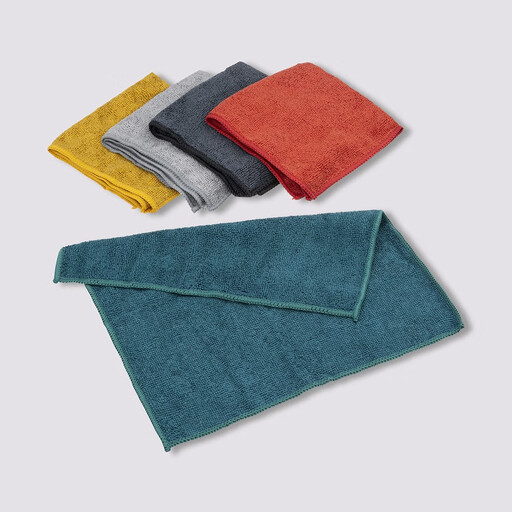
Why This Fits Their Persona: For those seeking a reliable, versatile set for daily kitchen tasks. From wiping down countertops to cleaning up small spills, these cloths are a practical workhorse.
This product avoids the "jack-of-all-trades" myth. It's a specific set of microfibre cloths for the kitchen, designed for grease and grime, and doesn't pretend to be perfect for every other task in the house.
The polyester and polyamide blend is effective for trapping grease. The 5-pack ensures you always have a clean cloth on hand.
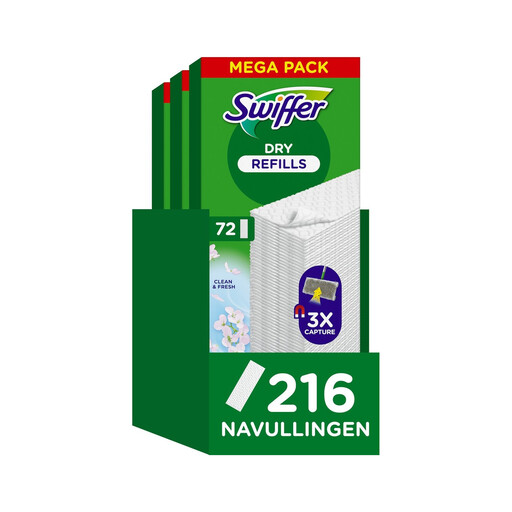
Why This Fits Their Persona: For those who want to quickly and effectively remove dust, hair, and dirt from hard floors without having to pull out the vacuum cleaner every day. A practical solution for daily maintenance.
This product tackles the pitfall of just "moving dirt around". According to the manufacturer, the cloths trap and lock in dust and hair thanks to their texture and electrostatic properties, rather than just pushing it around.
Convenience and efficiency. The system is designed for a quick clean-up. This bulk pack of refills ensures you're well-stocked for a long time.
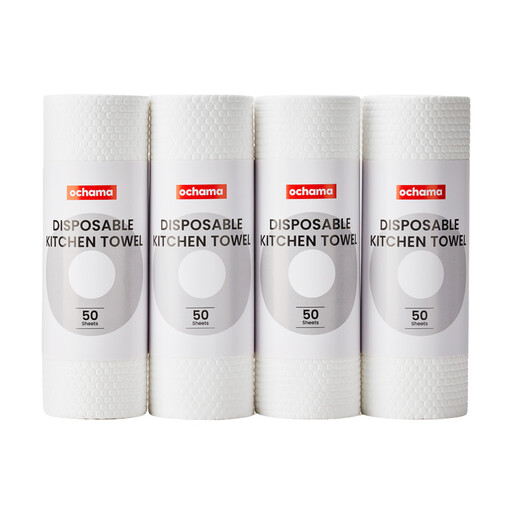
Why This Fits Their Persona: Ideal for households where hygiene is a top priority. Perfect for cleaning up liquids from raw meat or other stubborn messes where cross-contamination is a risk.
This product bypasses the hygiene issues of reusable cloths. A traditional dishcloth can become a breeding ground for bacteria. These disposable towels offer a clean and hygienic surface every time.
High absorbency and hygiene. The thickened paper is designed to effectively soak up both oil and water. Its single-use nature prevents the spread of bacteria.
We have compiled a complete, real-time list of products that fully satisfy these strict selection criteria and UK safety regulations.
For good hygiene, it's recommended to wash microfibre cloths used daily, such as in the kitchen, every day or every other day. Cloths for less intensive tasks, like dusting, can be washed less frequently. Wash them at a temperature of 60°C (140°F) to kill bacteria, but avoid fabric softener. Fabric softener clogs the fibres and reduces their effectiveness.
It is strongly advised not to use the same cloth for different rooms, especially between the kitchen and the bathroom. This is to prevent cross-contamination with bacteria. A good system is to use different coloured cloths for each area: for example, blue for the bathroom, yellow for the kitchen, and green for general surfaces.
Streaks on glass or mirrors are usually caused by three things: a dirty cloth, too much cleaning solution, or a cloth that isn't lint-free. Always use a clean, lint-free cloth (preferably a specific microfibre glass cloth) and use water with a small splash of vinegar or a dedicated glass cleaner. Make sure the surface is wiped completely dry with a second, dry, and clean cloth.
