
Vandaag of morgen in huis

Kwaliteit gegarandeerd

Welkomstaanbiedingen ontgrendelen: GRATIS bezorging | Tot 80% korting | Gratis 30 dagen JoyPlus-proefperiode
Download de app
Cleaning windows, mirrors, screens and spectacle lenses seems straightforward – until you notice fluff, streaks or tiny scratches left behind. Microfibre cleaning cloths can be practical, but not every cloth is suitable for every surface. A low price, a large number of cloths or a promise of “streak-free” means very little on its own.
With this buying guide, you’ll focus on the features that make a real difference in everyday use. That way, you can avoid buying a cloth that frays quickly, spreads dirt around, or only seems to work well with lots of cleaning product.
A cloth you’ve used to clean the worktop or bathroom should not be used on a screen, lens or mirror without being washed first. Leftover grains of sand and grease can damage delicate surfaces or cause smearing.
Instead, use separate cleaning cloths for:
A colour-coding system helps you keep these cloths apart.
A pack containing lots of cloths may seem like good value, but you should also check the size, edge finish and washing instructions. A cloth that sheds fluff or loses its shape after a few washes is less useful than a smaller set you can maintain properly.
Pay particular attention to an even texture and neat edges. For cleaning windows, a size around 30 x 30 cm is easy to hold and large enough to wipe a mirror or window in sections.
A microfibre cloth often works with water or dry. According to the product description for the Microfibre Cleaning Cloths, this cloth can be used wet or dry, possibly with a small amount of cleaning agent. However, too much product leaves a film behind, which can actually cause streaks.
On glass, start by using as little product as possible and work with a clean, well-wrung cloth. For screens and lenses, it’s wise to follow the manufacturer’s instructions for the device or spectacles.
Microfibre consists of fine fibres that can absorb dust, grease and moisture. The exact composition varies from product to product. So check the product details rather than relying solely on the name “microfibre”.
A glass cloth with a smooth or specially woven texture is designed to leave fewer fluff particles and streaks. For general household work, a slightly more absorbent cloth can be more practical. On delicate surfaces, do not use a cloth with hard labels, loose seams or visible dirt particles.
For dusting, you’ll usually use a cloth dry. For fingerprints, grease or dried-on splashes, lightly damp cleaning often works better. A cloth needs to absorb enough moisture without staying soaking wet.
Quick-drying reusable cleaning cloths are practical when you’re doing several rooms one after another. After rinsing, leave used cloths to air dry completely. A damp, bunched-up cloth can develop an unpleasant smell.
Check whether the cloth can go in the washing machine and what temperature is recommended. With microfibre cloths, it’s best to avoid fabric softener: it can coat the fibre structure and reduce absorbency. Wash dirty cloths separately from clothing when they contain a lot of grease or cleaning product.
After washing, check that no sand, hairs or hard particles remain in the cloth. This is especially important for scratch-free cleaning of glass, plastic and screens.
The following selection is based on verifiable product details such as dimensions, number of pieces, material and stated applications. Brand descriptions about cleaning results are product claims and should be read as such.
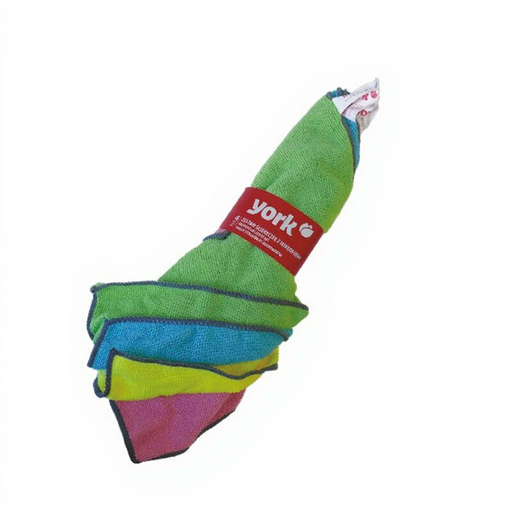
Why this fits the profile: The set of four is manageable for a household that wants to divide different cleaning tasks without buying a large stock straight away. The 30 x 30 cm size is suitable for daily use.
The product information states use on different surfaces, dry or wet, and repeated washing in the washing machine. Do use separate cloths for the kitchen and delicate surfaces.
Four cloths, 300 x 300 mm per cloth, suitable for dry and damp cleaning and, according to the description, quick-drying.
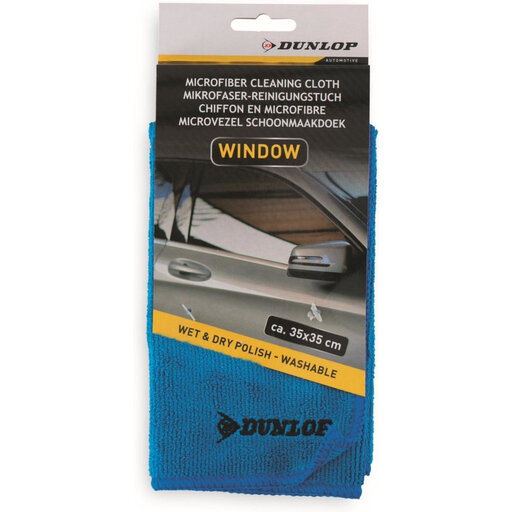
Why this fits the profile: This cloth is designed for glass and car windows. That suits households wanting a separate cloth for windows, mirrors or car glass.
The product description mentions a structure for glass surfaces and reuse after rinsing. Store the cloth separately from cloths used for rough or dirty surfaces.
100% viscose according to the product details, 35 x 35 cm and intended for glass and car windows.
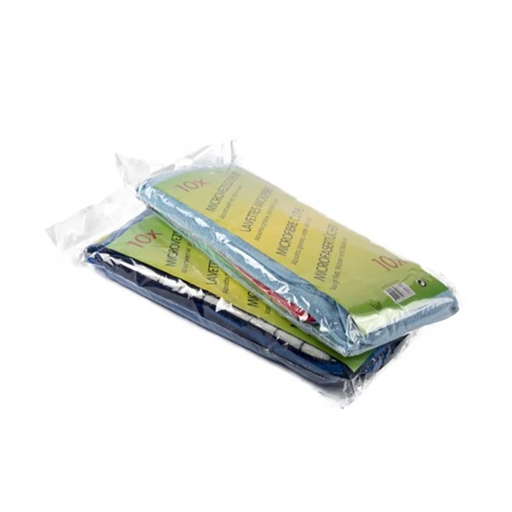
Why this fits the profile: Ten cloths are handy for larger households or anyone who uses a dedicated cloth per room. The product details mention kitchen, bathroom, glass and electronics as areas of use.
The set makes it easier to separate clean and used cloths. Wash according to the product instructions and do not use fabric softener.
Set of 10 reusable microfibre cloths, suitable for multiple rooms and, according to the description, machine washable.
We’ve put together a full, up-to-date list of products that fully meet these strict selection criteria and current European safety regulations.
For spectacle lenses and camera lenses: always check the manufacturer’s maintenance instructions first. A cloth for general window cleaning is not automatically suitable for every coating.
Yes, many microfibre cloths are used for glass and mirrors according to their product description. The result also depends on the amount of dirt, the cleaning product used and the condition of the cloth. Use a clean cloth without hard particles and, if necessary, buff the surface dry afterwards.
This varies depending on the material, frequency of use and washing routine. A cloth can remain usable for longer if you wash it according to the label, avoid fabric softener and don’t wash it with abrasive materials. Replace a cloth as soon as it frays, feels stiff or continues to spread visible dirt.
Not always. For light dust and fingerprints, a slightly damp cloth can be enough. For grease or limescale, a suitable cleaning product can help. Never use more product than necessary and follow the safety instructions on the label. This prevents a cleaning film and limits unnecessary consumption.
