
Vandaag of morgen in huis

Kwaliteit gegarandeerd

Welkomstaanbiedingen ontgrendelen: GRATIS bezorging | Tot 80% korting | Gratis 30 dagen JoyPlus-proefperiode
Download de app
A pack of cleaning cloths may seem simple to choose. However, there can be major differences in material, size, moisture level and intended use. A cloth that works well on the kitchen worktop is not automatically suitable for glass, a screen or the floor.
The biggest pitfalls are often found not in the price, but in the product description.
A pack containing lots of cloths may seem like good value, but disposable cloths are used up after a single use. Reusable microfibre cloths, on the other hand, can last through several washes, provided you care for them according to the washing label. So don't just compare the price per pack. Also consider:
Universal cleaning cloths are useful for tables, cupboards and other hard surfaces. For glass, mirrors and smooth stainless steel, a fine microfibre structure is often more practical. Also check whether the cloth should be used dry, damp or with cleaning product.
When cleaning delicate surfaces such as LCD screens and lenses, it is important to work carefully. Use very little moisture, avoid abrasive particles and follow the instructions for both the surface and the cloth.
When buying antibacterial cleaning cloths, read the label and instructions for use. A brand's claim is not a general guarantee for every surface or situation. According to Dettol's own research, the variant mentioned removes 99.9% of certain bacteria, allergens and dust mites. This claim applies under the manufacturer's stated conditions and does not replace proper cleaning methods.
Also, do not use damp cleaning cloths on surfaces for which they are not intended. Dispose of used cloths with general waste if the packaging instructs you to do so, and never flush them down the toilet.
Microfibre cloths are usually made from polyester and polyamide. Their fine fibres can pick up dust, dirt and grease. They are suitable for dry dusting and damp cleaning. Some product descriptions also mention use on windows, mirrors and screens. That does not mean every microfibre cloth is suitable for these surfaces: check the stated use and the cloth's structure.
A reusable cloth is particularly useful for everyday cleaning in the kitchen and bathroom. Wash it without fabric softener when recommended by the manufacturer. Fabric softener can reduce the absorbency of microfibre.
Disposable cloths are practical when you want to clean quickly, are out and about or do not want to wash cloths. The trade-off is more waste. For damp varieties, look for packaging that seals securely so the cloths do not dry out.
A size of around 30 x 30 cm is suitable for kitchen worktops, washbasins, furniture and smaller surfaces. Larger floor cloths can be more convenient when used with a floor mop. For glass and mirrors, size is not the only important factor: the cloth should also leave behind as little lint and as few streaks as possible.
A pack with different colours can help you assign cloths to different rooms. For example, use one colour for the bathroom and another for the kitchen. This reduces the chance of using the same cloth in different areas.
Dry microfibre cloths are suitable for dust and light dirt. A lightly damp cloth often works better on fingerprints, grease and dried-on dirt. Too much water can cause streaks, particularly on glass and mirrors.
For streak-free cleaning:
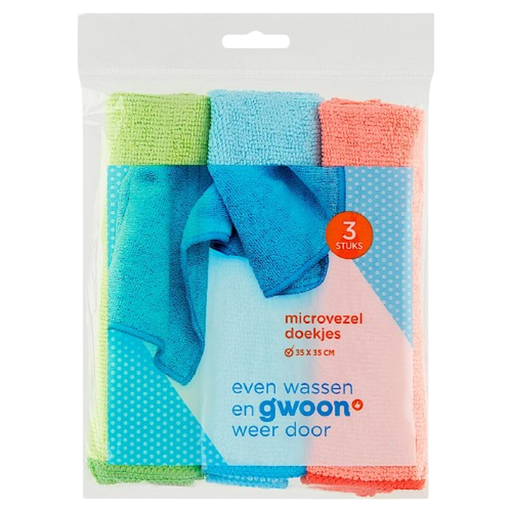
Why it suits this profile: A straightforward set of 3 microfibre cloths for everyday dust, dirt and light cleaning around the home.
The quantity of 3 cloths is clearly stated, making it easy to compare this pack with other sets.
Microfibre material and a compact set for kitchens, furniture and other household surfaces.
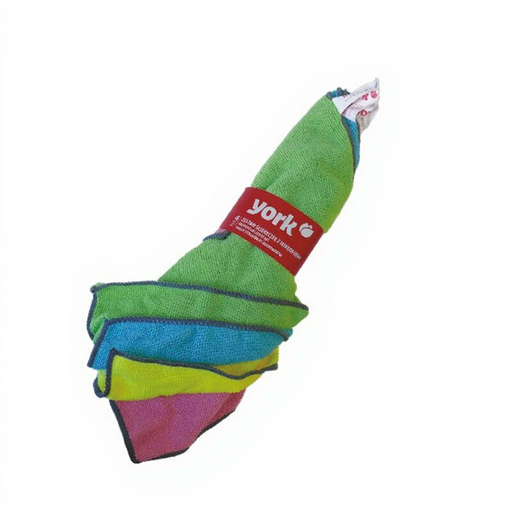
Why it suits this profile: The 30 x 30 cm size is ideal if you want to use one set in several rooms and on various surfaces.
The product description specifies dry or damp use, washability and size. For delicate materials, always check their own care instructions first.
4 cloths measuring 30 x 30 cm; according to the product description, suitable for surfaces including glass, mirrors, LCD screens and lenses.
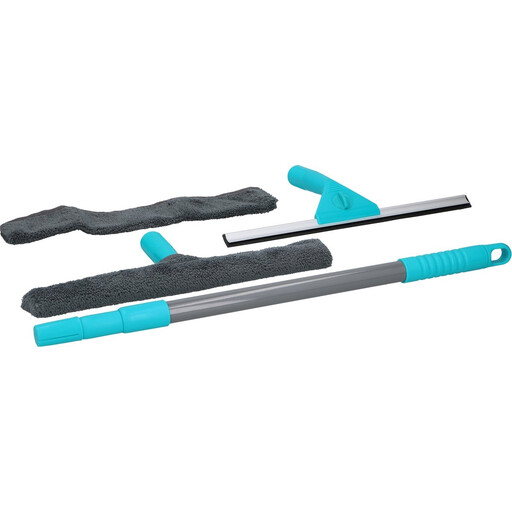
Why it suits this profile: For windows and large areas of glass, a cloth on its own may not be enough. This set combines tools for cleaning and wiping windows dry.
You are not buying separate cloths for a job that requires a window squeegee. The set includes a telescopic handle extending from 57 to 130 cm.
5-piece set with handle, window squeegee, window cleaner and 2 microfibre cloths.
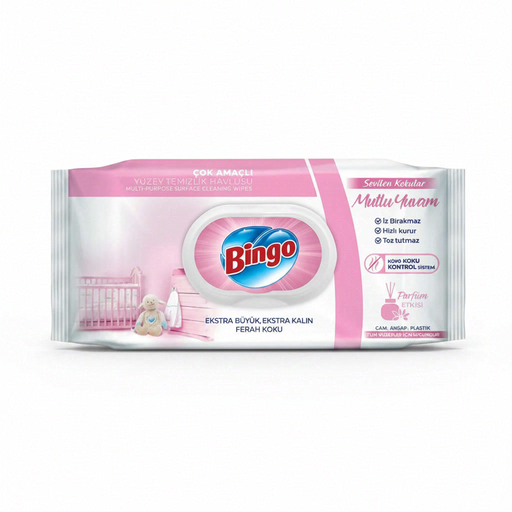
Why it suits this profile: A practical supply of damp cloths for quickly cleaning tables, worktops and hard surfaces.
The pack has a plastic lid which, according to the product description, helps retain moisture. Close the lid after every use.
96 cloths per pack, suitable for everyday cleaning of hard surfaces.
We have put together a complete, up-to-date list of products that fully meet these strict selection criteria and the applicable European safety regulations.
Choose a fine microfibre cloth that the product description confirms is suitable for smooth surfaces. Use very little moisture and buff the surface with a dry section of the cloth. For large windows, a window squeegee may be more practical than using only cloths for glass and mirrors.
Follow the manufacturer's washing label. Many microfibre cloths can be washed in a washing machine. Do not use fabric softener when it is not recommended, and allow the cloths to dry thoroughly. Ideally, wash bathroom cloths separately from cloths used on surfaces where food is prepared or eaten.
That depends on how often you use them. Damp cloths are quick and convenient, but are usually thrown away after one use. Reusable cleaning cloths may cost more to buy, but can last longer through repeated washing. So compare the price per use rather than just the price per pack.
