
Vandaag of morgen in huis

Kwaliteit gegarandeerd

Welkomstaanbiedingen ontgrendelen: GRATIS bezorging | Tot 80% korting | Gratis 30 dagen JoyPlus-proefperiode
Download de app
Cleaning cloths might seem straightforward, but picking the wrong type can quickly become frustrating. A cloth that leaves streaks on glass, sheds lint on dark furniture, or loses its shape after a few washes offers little benefit. You might also pay for a large pack of wet wipes when a reusable cloth could actually be more cost-effective for your household.
Pay particular attention to these three common pitfalls:
For everyday maintenance, there are several types of cleaning cloths to consider:
Microfibre cloths are often made from polyester and polyamide. This combination can be suitable for dry dusting and damp cleaning. The exact performance depends on the fibre structure, the surface and how you use the cloth.
Cellulose or viscose cloths feel different and can absorb a lot of moisture. They are practical as dishcloths and for wet cleaning, but always check whether they are machine-washable. For glass, it's better to use a cloth that the product information states is designed to minimise lint and streaks.
A small cloth around 18 x 20 cm is easy to wring out and suitable for quick tasks. Larger cleaning cloths, for example 30 x 40 cm or 38 x 28 cm, cover more surface area and are handier for tables, doors and worktops.
Don't just compare the number of pieces, but also:
A pack with lots of cloths is particularly worthwhile if you use them regularly. For a household that cleans daily, a set of reusable cleaning cloths can help reduce the amount of disposable waste.
Washable microfibre cloths can be practical, but washing instructions vary. The product information for certain 5five cloths states washing at 40 °C; another model may be washed at a maximum of 30 °C according to its description. Do not use fabric softener or bleach with these cloths if the manufacturer advises against it, as this can affect the properties of the fibres.
For wet wipes, check the expiry information and the instructions on the packaging. Dispose of used wipes according to local waste regulations and do not flush them down the toilet unless the packaging explicitly states this is allowed. Also, do not use cleaning cloths with undiluted bleach if the product information prohibits it.
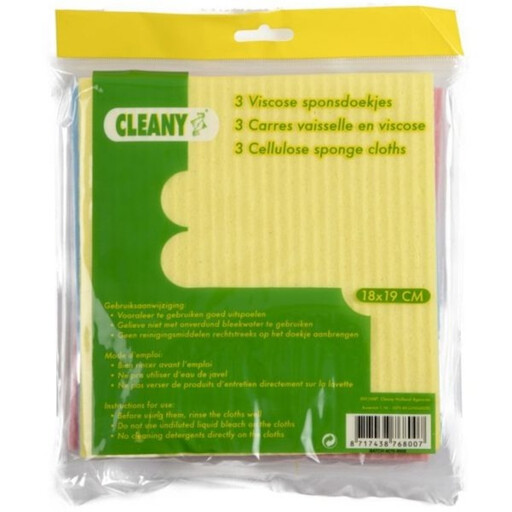
Why this fits the profile: The compact size is suitable for everyday tasks in the kitchen and bathroom, such as worktops, sinks and tables. According to the product information, these cloths are easy to wring out.
The product information states the size and its use for various cleaning tasks. Do check the label before using bleach or cleaning products.
Size of 18 x 20 cm; viscose sponge cloth; suitable for wet cleaning and easy to wring out.
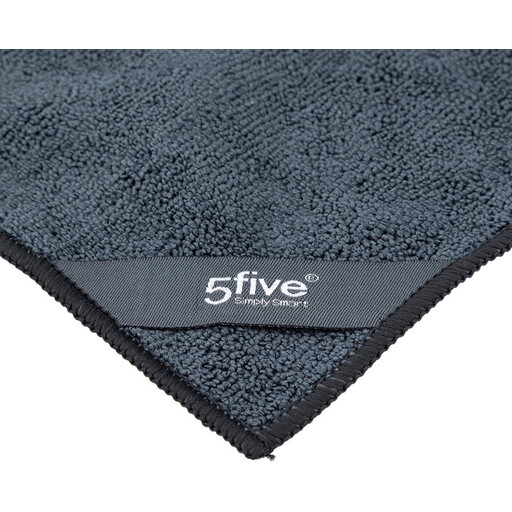
Why this fits the profile: These larger microfibre cloths suit anyone who wants one set for multiple smooth surfaces, such as glass, stainless steel and worktops.
The specifications list the material, size and machine washing at 40 °C. This helps you assess care and application in advance.
Size of 40 x 30 cm; polyester-polyamide; suitable for dry and damp cleaning according to the product description.
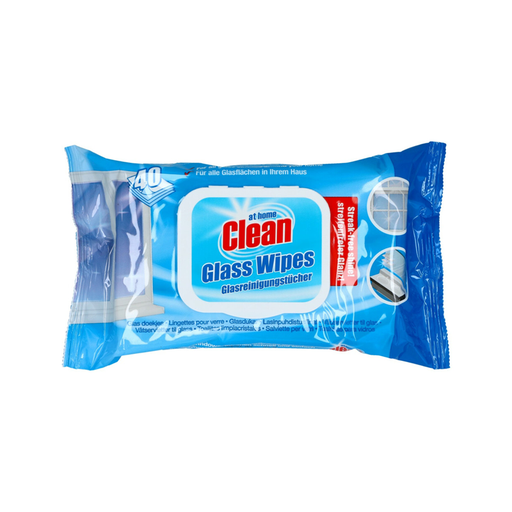
Why this fits the profile: For households that clean windows, mirrors or glass doors often, a damp, surface-specific wipe offers a quick solution without needing a separate spray.
This variant is specifically described for glass and windows. That is clearer than using an all-purpose wipe on a surface it isn't intended for.
40 wet wipes; size of 13 x 18 cm; intended for glass and windows according to the product information.
We've put together a full, up-to-date list of products that fully meet these strict selection criteria and comply with current European safety regulations.
When cleaning windows and mirrors, work from top to bottom and remove coarse dust first. For the kitchen and bathroom, it's best to use separate cloths. This prevents grease, limescale or dirt from being spread unnecessarily between different rooms.
With reusable cleaning cloths, a simple system helps:
They can be, especially when the product information mentions glass and smooth surfaces. Use a clean cloth, remove dust first and follow the instructions on the label. A cloth that contains a lot of detergent residue can still cause streaks.
The lifespan depends on the material, usage, washing programme and care. Check regularly for fraying, persistent odour or loss of absorbency. The product description and care label give more guidance than a general claim about durability.
For a quick, small clean, wet wipes are practical. With daily use, reusable cleaning cloths can work out more cost-effective because you wash them again. Compare the price per cloth, the number of uses and the costs for washing and any cleaning product.
