
Vandaag of morgen in huis

Kwaliteit gegarandeerd

Welkomstaanbiedingen ontgrendelen: GRATIS bezorging | Tot 80% korting | Gratis 30 dagen JoyPlus-proefperiode
Download de app
Cleaning cloths may seem simple, but you often only notice the difference between a useful cloth and a poor buy after a few washes. A cloth may be too small, leave lint behind, absorb moisture poorly or lose its shape after a short time. If you focus only on a low price or a large number of cloths, you could end up paying twice.
This practical guide helps you compare cleaning cloths by material, size, use and care. That way, you can choose the right microfibre cloths, dishcloths, polishing cloths or complete cleaning cloth set for your needs.
A pack with lots of cloths may seem like good value, but size and purpose are just as important. Small cloths are handy for a quick clean, while a cloth of around 30 x 30 cm or larger is more convenient for windows, tables and bigger surfaces. Always check the size of each cloth, not just the number in the pack.
A dishcloth used on the worktop is not automatically suitable for the toilet, floor or car windows. Colour-coding helps you keep cloths separate. For example, you could assign blue and yellow cloths to specific tasks. This is especially useful in family homes, shared accommodation and commercial spaces.
A product description may say that a cloth is suitable for streak-free cleaning, but the result also depends on the surface, how damp the cloth is and the detergent you use. Remove any loose dust and dirt first. For glass and mirrors, use a clean cloth and wring it out well. Performance claims come from the product information provided by the brand or retailer and are not a guarantee for every situation.
Microfibre cloths have fine fibres and are often used to pick up dust, dirt and grease from smooth surfaces. They can be used dry or slightly damp. According to some product descriptions, certain types are machine washable, for example up to 60 °C. Do not use fabric softener if the packaging advises against it, as it can affect the cloth’s absorbency.
Viscose and cellulose cloths have a different feel and are often popular as kitchen cleaning cloths. They are easy to wring out and suitable for everyday use around the sink and on worktops. Check the care instructions, as washing requirements vary from cloth to cloth.
A glass cloth or chamois is designed specifically for windows, mirrors, cars and other smooth surfaces. The Cleany perforated chamois, measuring 35 x 40 cm, is described as suitable for these uses. Rinse the cloth thoroughly in warm water before using it for the first time.
A 30 x 30 cm cloth is compact and useful in the kitchen, bathroom, car and office. Density can also be important for microfibre. The Microfibre Cloths 30x30cm Set of 1 is listed as having a density of 260 g/m² and a lint-free texture. These are verifiable product specifications and tell you more than a general description such as “extra strong”.
A larger size, such as 32 x 38 cm, gives you more surface area for washing up and household cleaning. Check the edging, too. Reinforced edges can help prevent fraying, but always follow the washing instructions and inspect the cloth after use.
A cleaning cloth set is useful if you want to use a separate cloth for each room or task. As well as the price, check the price per cloth, the size and whether the cloth is reusable. Washable cleaning cloths can produce less waste over time than disposable wipes, provided they are suitable for repeated washing and cared for correctly.
Wash cloths after use according to the care label. Let them dry completely before putting them away. A damp cloth left in a sealed container can start to smell unpleasant more quickly. Do not use bleach or harsh cleaners if the product information advises against them.
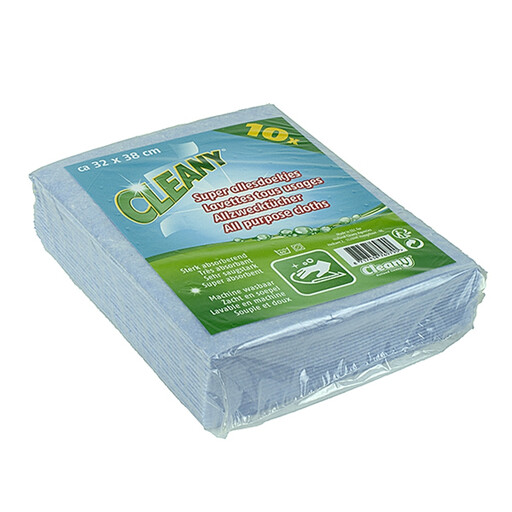
Why it suits this shopper: According to the product information, the pack contains 10 blue dishcloths measuring 32 x 38 cm. That gives you a practical supply for the kitchen, bathroom and general household tasks.
The quantity and size are clearly stated, so you do not have to rely on a general value claim alone. The blue colour can also help you colour-code cloths by room.
10 cloths; 32 x 38 cm; suitable for the kitchen, bathroom and other surfaces.

Why it suits this shopper: If you value specific details, this microfibre cloth measures 30 x 30 cm and has a stated density of 260 g/m².
The product information lists the material, density, washability and suitability for delicate surfaces. This makes it easier to base your choice on technical details.
260 g/m²; machine washable up to 60 °C according to the product description; suitable for the home, car and office.
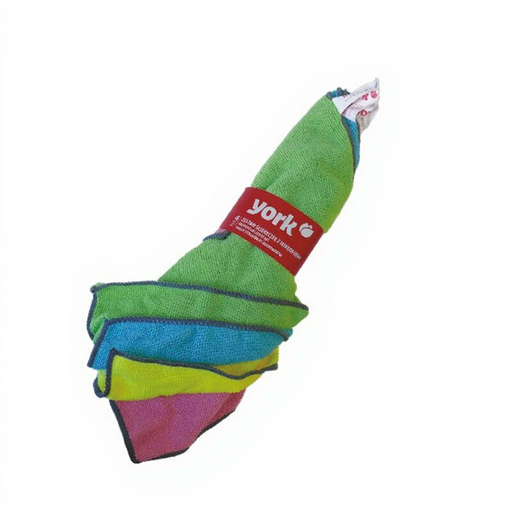
Why it suits this shopper: A set of four is handy for households that want to use separate cloths for windows, mirrors, screens and other smooth surfaces.
Each cloth measures 30 x 30 cm and the set is described as containing reusable, washable microfibre cloths. This makes it easier to keep used and clean cloths separate.
4 cloths; 30 x 30 cm; according to the product description, suitable for wet and dry use and for glass, mirrors and screens.
We’ve put together a complete, up-to-date list of products that meet these strict selection criteria and the applicable European safety requirements.
Wash cloths you use every day after a few cleaning sessions or as soon as they become visibly dirty. Kitchen cleaning cloths and dishcloths usually need washing more often than a dry cloth used on furniture. Always follow the care label. Some microfibre cloths are listed as washable up to 60 °C; do not use fabric softener if the product information advises against it.
They can be, depending on the texture and care instructions. Use a clean, lint-free microfibre cloth, slightly damp, and make sure the surface is free of loose dirt first. For an even smoother finish, you can use a separate glass cloth. A cloth that has already picked up grease or cleaning product may leave streaks.
For a household, a set of four to ten cloths is often a practical starting point. Choose the number based on the rooms you clean and how often you do your washing. If you want to keep cloths for the kitchen, bathroom, car and office separate, several smaller sets are more useful than one large supply with no colour or task system.
